South Korea's UGV Push Addresses Manpower Shortages
South Korea's large-scale unmanned ground vehicle deployment aims to counter declining military recruitment. This strategy highlights a shift towards reliance on technology to bolster defense capabilities.
South Korea is set to initiate a large-scale deployment of unmanned ground vehicles (UGVs) in a bid to address its declining military recruitment levels. This strategic move underscores the country's recognition of the urgent need to enhance its defense capabilities amid a shrinking manpower pool. Officials have indicated that the focus on UGVs is less about closing a technological gap and more about adapting to the realities of a changing military environment.
Historically, South Korea has faced challenges in maintaining adequate troop numbers due to various socio-economic factors. The current military landscape demands a reassessment of traditional approaches to combat readiness, particularly in light of demographic shifts and an increasing reliance on advanced technologies. This UGV initiative is seen as a proactive measure to mitigate personnel shortages and enhance operational efficiency on the battlefield.
The strategic significance of this deployment is profound. As regional tensions escalate, particularly with North Korea, South Korea's military must pivot towards more technologically advanced systems to ensure deterrence and combat readiness. Utilizing UGVs allows for more flexible and agile operations while reducing human risk in high-stakes environments.
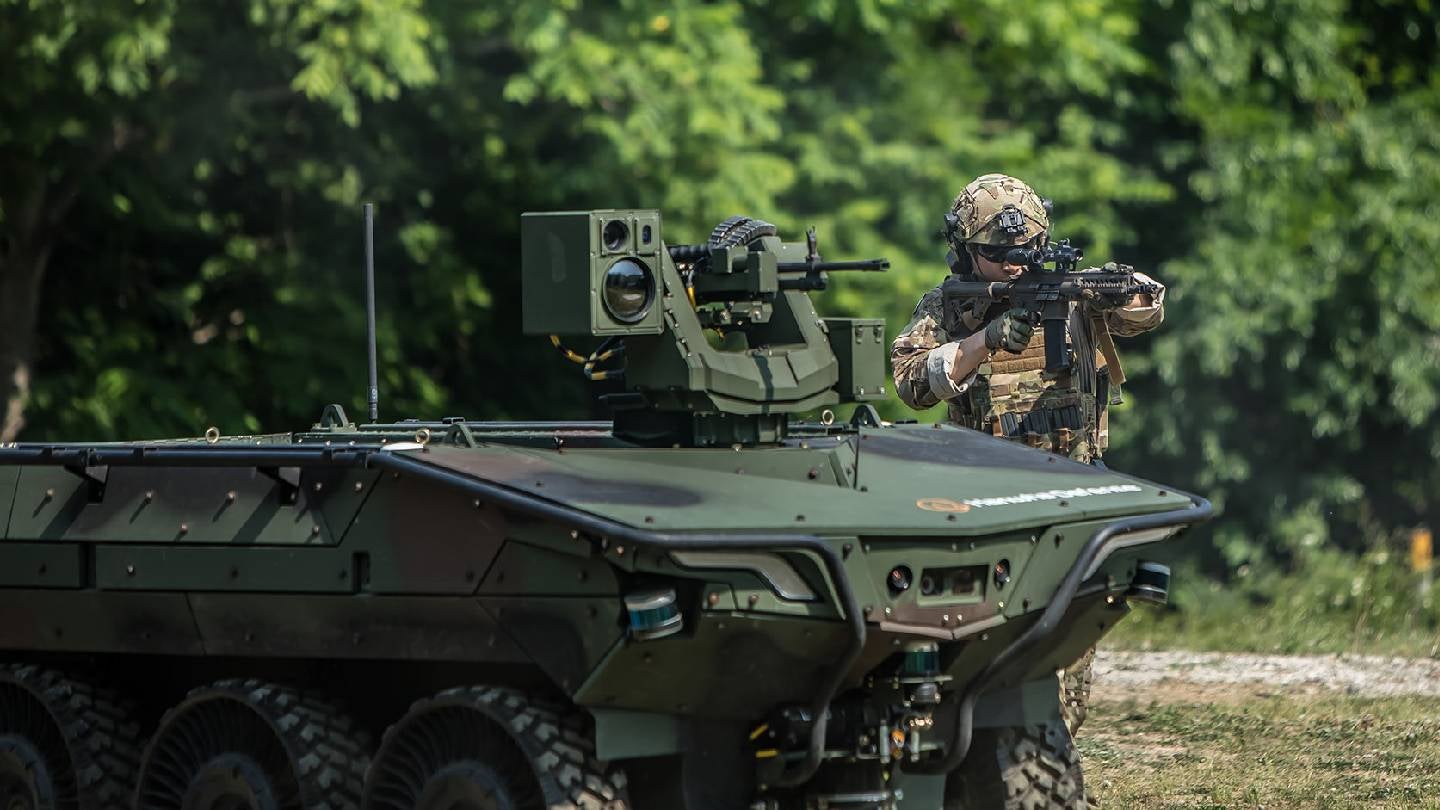
The UGVs set to be deployed include models designed for reconnaissance, logistics, and combat support roles. By integrating such systems into their arsenal, the Republic of Korea aims to increase its military effectiveness without solely relying on human resources. The initiative also involves collaboration with defense contractors to accelerate the development and production of these vehicles, ensuring they are operationally viable by the projected timelines.
Looking ahead, the consequences of this shift towards unmanned systems may reshape South Korea's military doctrine. If successful, the UGV deployment could serve as a template for other nations facing similar manpower challenges. Continued adaptation and investment in unmanned technologies will likely define the future of military operations in South Korea as it navigates complex regional security dynamics.