China Condemns US Power Abuse Over Expanded Firm Blacklist
Beijing threatens a resolute response to Washington's blacklist expansion, now including 188 firms. This move is seen as an attempt to hinder Chinese economic growth under the guise of national security.
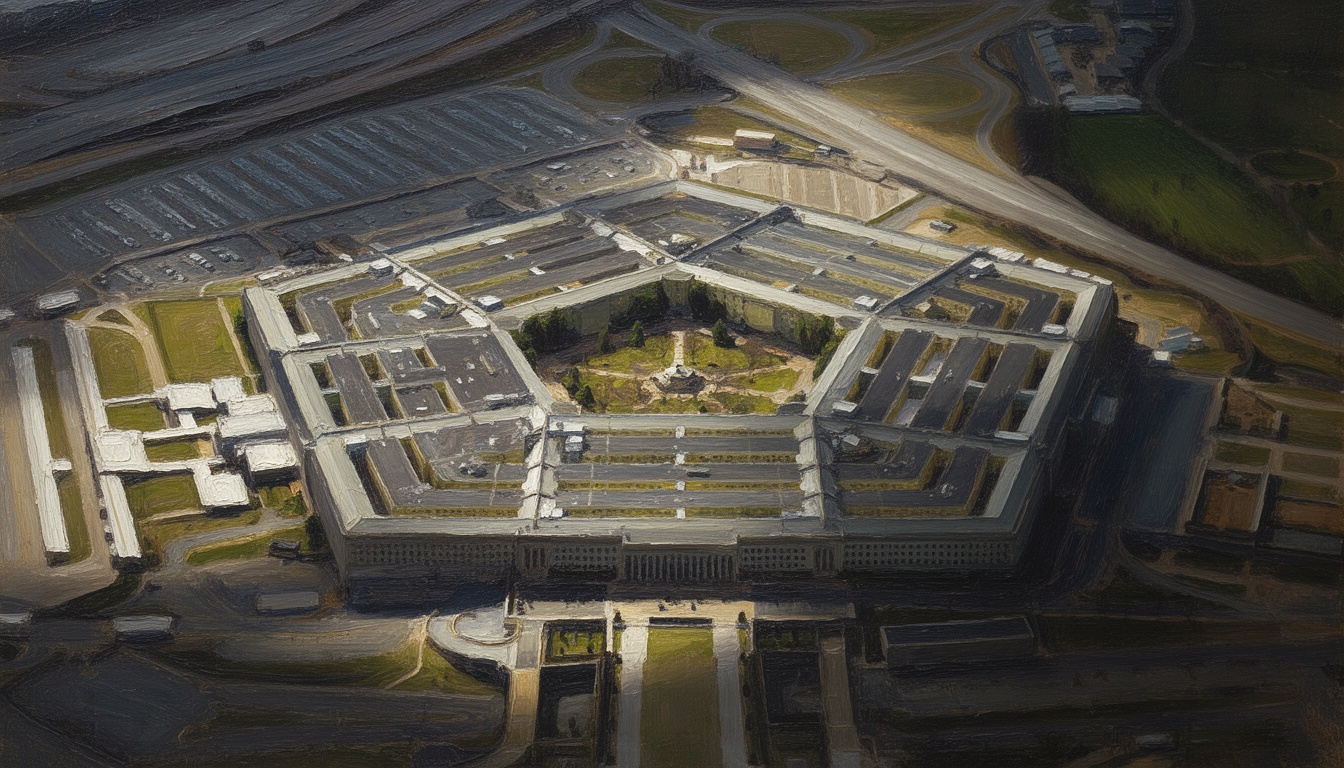
Beijing has issued a stern warning following the United States Department of Defense's expansion of its blacklist of Chinese companies. The Pentagon increased the number of entities listed under Section 1260H from 134 to 188, citing these as “Chinese military companies” allegedly operating within the U.S. jurisdiction. This new designation is viewed by China as an abuse of power, leveraging national security concerns to stifle its technological and economic development.
The expanded blacklist was made public on Monday, which led Chinese officials to express outrage over the U.S. actions. This assertion of unfairness reflects ongoing tensions between the two nations, as Beijing accuses Washington of attempting to suppress competition. In recent years, there has been a notable escalation in economic and military competition, with both sides increasing their rhetoric and actions against each other.
Strategically, this latest move by the U.S. threatens to exacerbate the existing conflict between the two superpowers. As the global technological landscape becomes more competitive, both the U.S. and China are prioritizing advancements in sectors deemed critical to national security. The actions taken by the Pentagon can be interpreted as an effort to gain an upper hand in the innovation race by targeting Chinese firms.
Specifically, the names of the companies on the list remain undisclosed, but they include many firms linked to crucial sectors such as telecommunications and aerospace. The U.S. has publicly stated that these companies pose potential risks due to their affiliations with the People's Liberation Army (PLA). This perception has led to increased scrutiny and has fueled a tit-for-tat approach between the two nations.
Looking ahead, China is likely to respond decisively both diplomatically and potentially through retaliatory measures aimed at U.S. interests. This situation underscores the precariously balanced power dynamic and the risks involved in bilateral relations as both nations continue to navigate their paths amid rising global tensions.