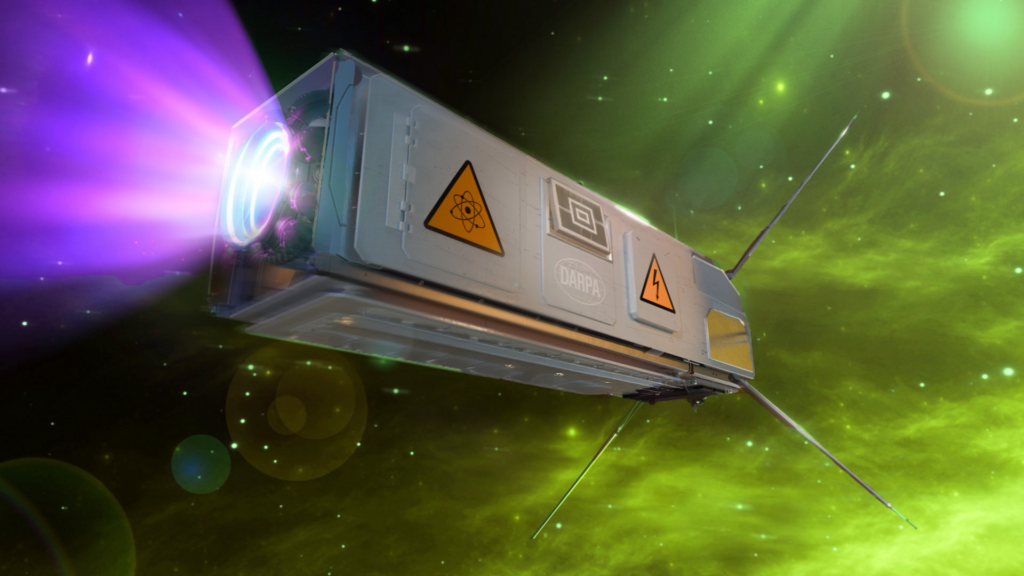
DARPA Competes for Miniature Nuclear Power Cell Technology
DARPA's Rads to Watts program includes seven teams developing nuclear power cells the size of an 'AA battery'. This technology could revolutionize long-term energy sources for various applications.
The Defense Advanced Research Projects Agency (DARPA) is initiating significant advancements in nuclear power technology with the Rads to Watts program. Seven teams are currently in competition to develop a groundbreaking miniature nuclear power cell that can last for years or even decades without the need for recharging. This ambitious initiative signifies DARPA's commitment to enhancing energy solutions supporting extended missions across various sectors.
With the advent of a power cell resembling an 'AA battery', the implications for military operations and remote systems are profound. Such technology could potentially power sensors, drones, and other critical equipment in areas where conventional power sources are logistically challenging. The versatility and longevity of these power cells suggest they may replace traditional batteries in numerous applications, marking a pivotal shift in energy resource management.
Strategically, miniature nuclear power cells could provide a substantial boost to the operational capabilities of military forces. With improved energy autonomy, soldiers and equipment could operate in isolated environments for extended periods, reducing the logistical burden associated with fuel resupply. This advancement supports the broader shift towards more resilient and self-sustaining military operations in increasingly complex environments.
Technically, the teams participating in the Rads to Watts program are tasked with overcoming significant challenges associated with safety, efficiency, and miniaturization of nuclear power technology. These teams must ensure that the resulting power cells adhere to stringent safety standards while optimizing power output in a compact form factor. This undertaking is set against a backdrop of growing interest in small nuclear reactors and advanced energy systems.
Looking forward, the successful development of these revolutionary power cells may lead to widespread adoption across various sectors beyond the military, including space exploration, remote healthcare, and specialized industrial applications. The future of energy generation is on the brink of transformation as DARPA continues to push the boundaries of what is technologically feasible in nuclear power.