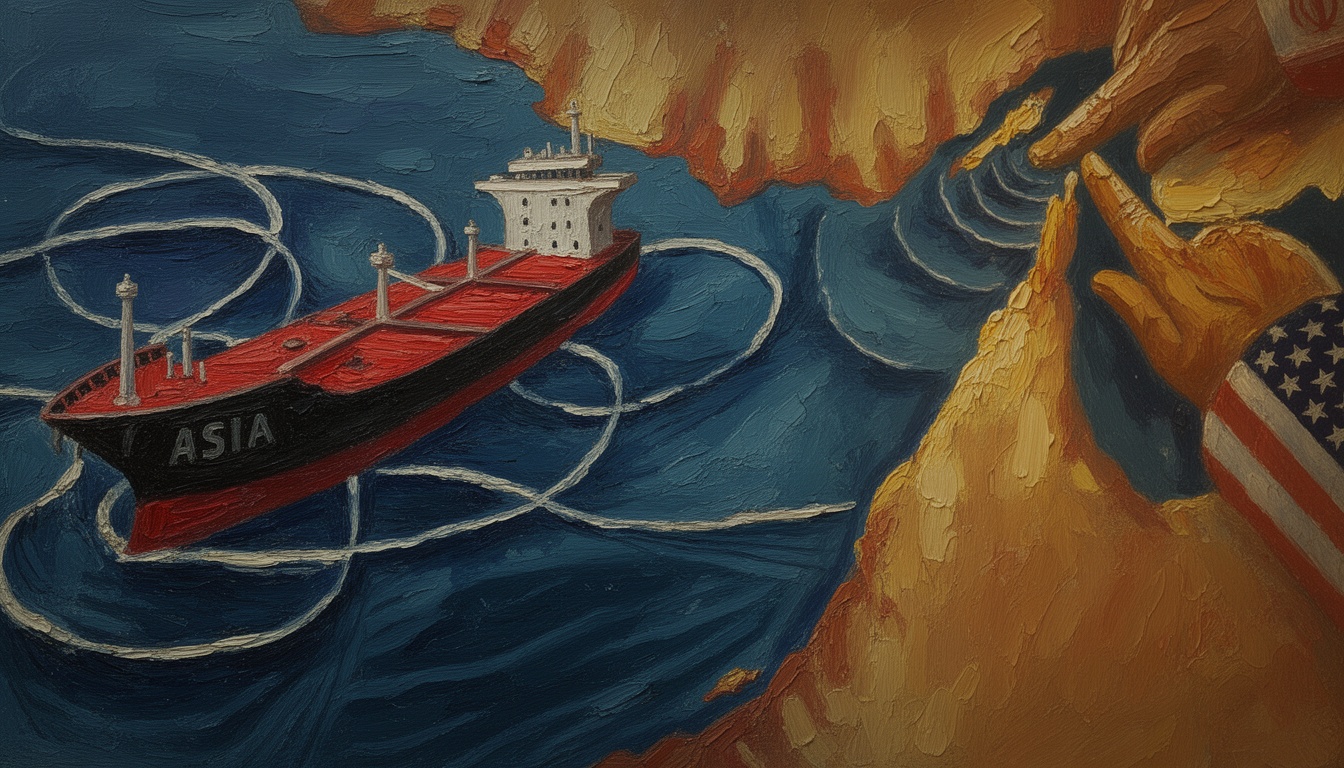
Instability in Hormuz Threatens Energy Security in Asia
The Gulf region's ongoing tensions jeopardize reliable energy trade for Asia, prompting urgent reassessments among major importers.
The conflict dynamics in the Gulf, particularly around the Strait of Hormuz, indicate a potential shift from immediacy to prolonged instability. Even if the immediate violence recedes, the region may not revert to its previous operational norms. For Asian economies heavily reliant on this vital waterway, questions now extend beyond its mere accessibility to its political stability and resilience against coercive tactics.
Historically, the Strait of Hormuz has been a crucial conduit for energy supplies, with a significant percentage of global oil and gas exports transiting through its waters. However, current geopolitical tensions raise concerns that this critical supply route could be compromised long-term. Countries like China, Japan, and India, which rely extensively on energy imports from the Middle East, now face uncertainty about the reliability of these shipments as conflict becomes increasingly intertwined with energy security.
The strategic significance of the Strait cannot be overstated. A disruption in the Hormuz Strait would impact not only energy prices but also the broader dynamics of international trade and security policies in Asia. As these nations navigate an environment marked by increasing geopolitical risk, assured access to energy becomes a vital component of national security strategies, influencing areas from military readiness to economic stability.
Moreover, the operational characteristics of energy transport through the Strait of Hormuz are under examination. Importers are evaluating shipping routes and the potential for heightened sanctions exposure as crises evolve in this strategically significant region. The reconfiguration of maritime and energy logistics amid rising tensions denotes a critical moment for Asia’s energy supply chains.
Looking ahead, the uncertainty surrounding the Strait of Hormuz will likely compel Asian nations to diversify their energy sources and transportation routes. Such moves are indicative of a broader shift in policy and strategic planning, reflecting an urgent need to mitigate risks associated with reliance on this critical waterway. In a landscape where political coercion could increasingly shape trade routes, resilient and reliable energy supply chains will become paramount for maintaining economic growth and stability in Asia.