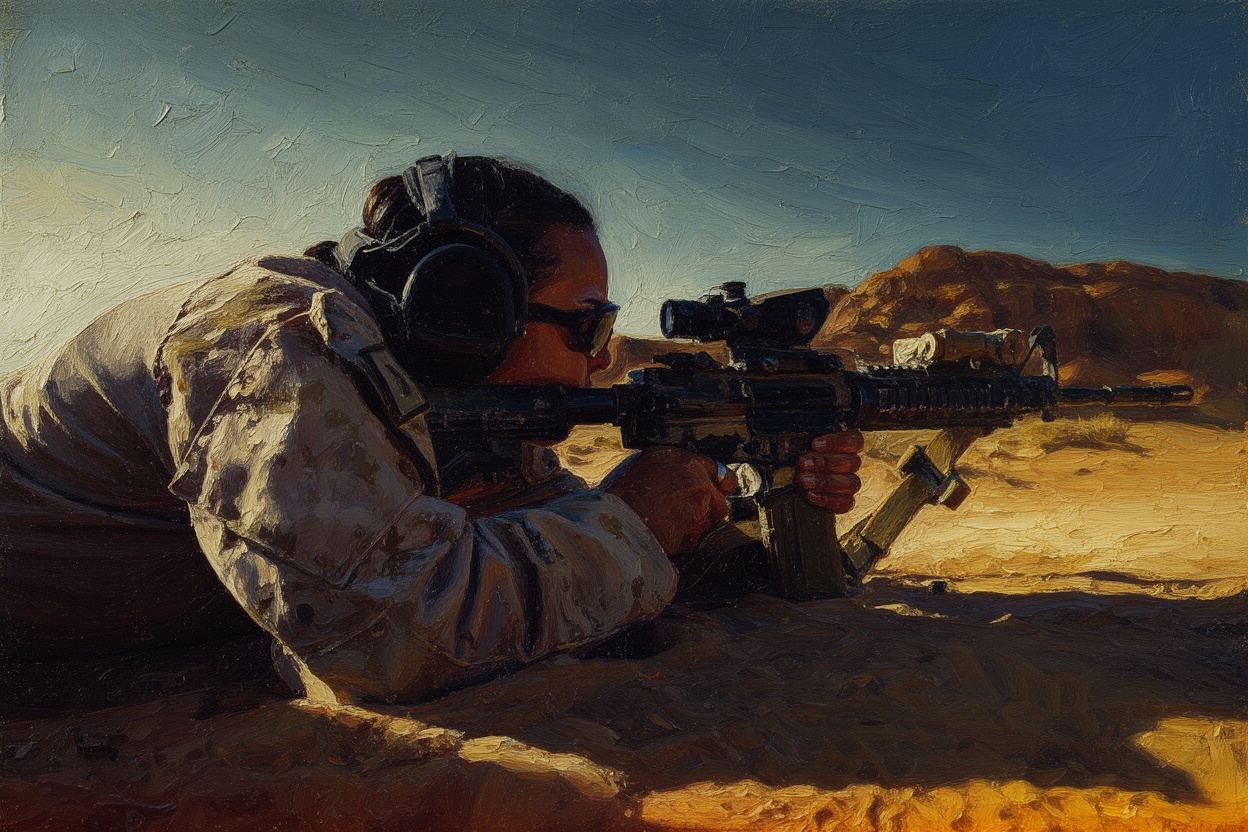
Debate on Women in Combat Raises NDAA Controversies
The discussions on gender-neutral standards impact global military policies. This issue highlights ongoing debates within armed forces about inclusion and combat readiness.
The recent debate surrounding the inclusion of women in combat roles has ignited controversies surrounding the National Defense Authorization Act (NDAA). Following directives by prominent military figures, such as Pete Hegseth, all service branches are mandated to create gender-neutral physical fitness standards applicable to troops in ground combat positions. This initiative aims to enhance operational effectiveness and ensure all personnel meet the necessary physical requirements without gender-based discrepancies.
Historically, the debate on women's roles in the military has been contentious, with various factions arguing for and against gender inclusivity in combat scenarios. The drive toward establishing uniform fitness standards reflects a broader shift within military organizations globally, emphasizing equality and performance over traditional gender roles. As nations reconsider their defense policies, such discussions may have far-reaching implications for how armed forces prepare for modern conflicts.
Strategically, adopting gender-neutral fitness standards could reshape recruitment and training strategies extensively by attracting a more diverse candidate pool. If implemented, this policy could bolster not only military capabilities but also improve morale among service members who advocate for equal treatment in combat readiness. Furthermore, countries that do not adapt to these evolving norms may find themselves facing criticisms from both domestic and international stakeholders, potentially impacting their defense partnerships.
Operationally, the success of gender-neutral standards will hinge on meticulous testing and evaluation processes that ascertain the effectiveness of these new benchmarks. Armed forces will need to develop reliable metrics that reflect all soldiers' performance objectively, without bias related to gender. This will require a comprehensive overhaul of current training programs, as well as sufficient investment in research and development to support the transition.
As discussions evolve, the potential for increased integration of women in combat roles presents complex dynamics for military strategies. Should these amendments be successful, they may lead to a historic shift in personnel policies, demonstrating a commitment to inclusivity while also enhancing combat readiness across the board. The outcome of this debate will undoubtedly influence future legislative efforts and the operational landscape of global militaries.