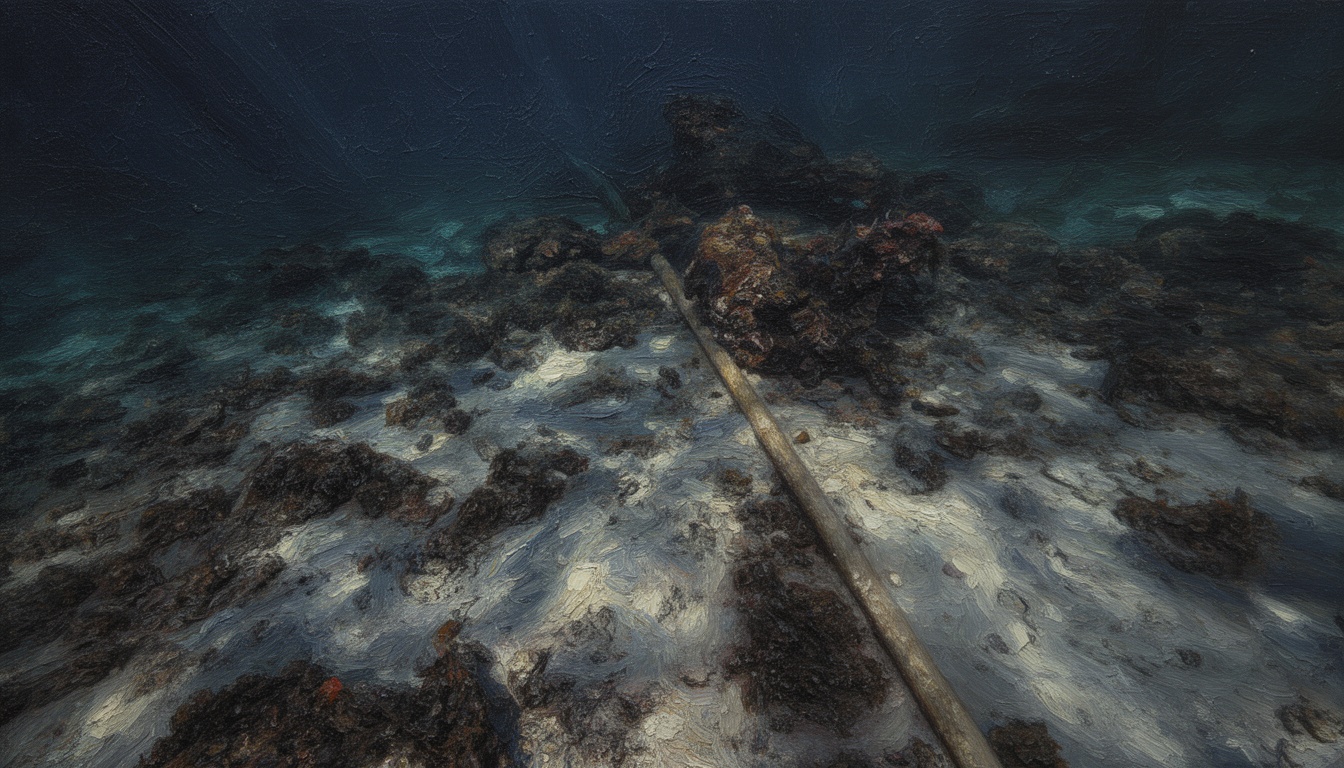
Deep-Sea Cable Cutting as Deterrence Weapon, Claims RETN CEO
The security of submarine cables is increasingly critical for global stability. 17 nations are collaborating on defense strategies due to rising concerns over this vulnerability.
The vulnerability of submarine cables has emerged as a pivotal issue in global security circles, with RETN CEO highlighting its potential as a deterrence weapon akin to nuclear capabilities. As conflicts escalate, the risk of disruptions to underwater communication infrastructure has become a pressing concern. Recently, 17 Asian and European nations have significantly enhanced their collaboration on defense strategies to address these emerging threats.
Historically, submarine cables have provided essential connectivity for international communication; however, recent geopolitical tensions have amplified fears of targeted attacks during conflicts. Notably, the sabotage of the Nord Stream pipeline has underscored the fragility of critical underwater infrastructure and the willingness of state and non-state actors to exploit these vulnerabilities for strategic advantages. Thus, regional powers are now reassessing their military strategies and investing in technologies to safeguard these assets.
The strategic importance of seabed infrastructure is further emphasized by the absence of key marine powers—China and the United States—from this collaborative effort. Their lack of participation raises questions about the future of international maritime security and highlights a potential gap in the global defense architecture focused on undersea threats. Without their engagement, the collaborative formations of other nations may encounter significant challenges.
Technologically, innovations such as China's deep-sea cable cutter represent a new frontier in maritime warfare capabilities. These advanced systems could fundamentally alter the landscape of naval conflict, posing substantial risks to communication lines critical to national security. Countries are now pressured to enhance their defense mechanisms, particularly in coastal and maritime regions, with an eye on countering potential threats to their undersea networks.
As tensions heighten, the implications of underwater infrastructure vulnerability are poised to reshape military alignments and defense strategies worldwide. Nations prioritizing the protection of submarine cables may find themselves in a better strategic position, yet the growing threat landscape necessitates enhanced cooperation across different regions, particularly between the world's major marine powers.