Drone Command Overhaul: New Role for Autonomy Czar
The U.S. introduces a high-level position to unify drone operations across military branches, signaling a strategic shift in unmanned systems management.
A significant restructuring within the U.S. military's unmanned systems command has led to the creation of an 'autonomy czar,' tasked with overseeing operations for a wide array of drone technologies. This new role encompasses nearly all ground, air, and maritime drone efforts, demonstrating a comprehensive approach to integrating autonomous systems across multiple military domains.
Historically, drone operations have been fragmented among various military branches, leading to inefficiencies and operational overlaps. The new initiative aims to streamline efforts, focusing on collaboration and improved resource allocation under the leadership of the autonomy czar, who will report directly to Deputy Defense Secretary Stephen Feinberg.
This move is strategically significant, as it aligns with the increasing reliance on unmanned systems in modern warfare. As conflicts become more technology-driven, the ability to effectively manage and deploy drones across various platforms will enhance the U.S. military's operational capabilities and response time.
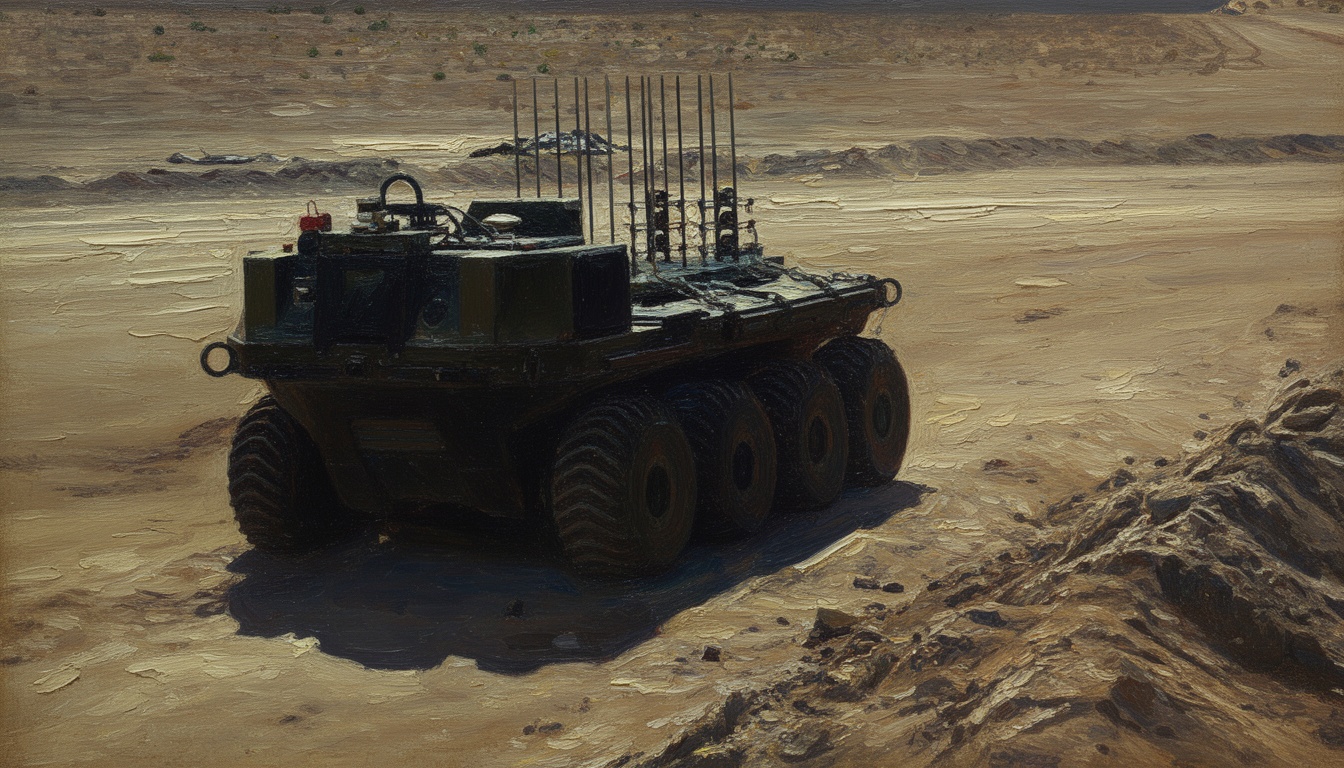
Operationally, this new command structure will encompass all types of unmanned systems, including ground vehicles like the Multi-Domain Operations vehicle, small air vehicles such as the RQ-11 Ravens, and naval drone assets. The centralization of these technologies is expected to improve training programs, joint exercises, and overall mission efficacy.
Looking ahead, the establishment of this position could signify the U.S. military’s commitment to maintaining a technological edge in drone warfare. As adversaries continue to advance their own unmanned systems, this strategic repositioning aims to ensure that the U.S. remains at the forefront of drone technology and operational effectiveness worldwide.