Drones Enhance Healthcare in Remote Philippine Communities
Drones are revolutionizing tuberculosis care in remote areas. This innovation has implications for public health strategies globally.
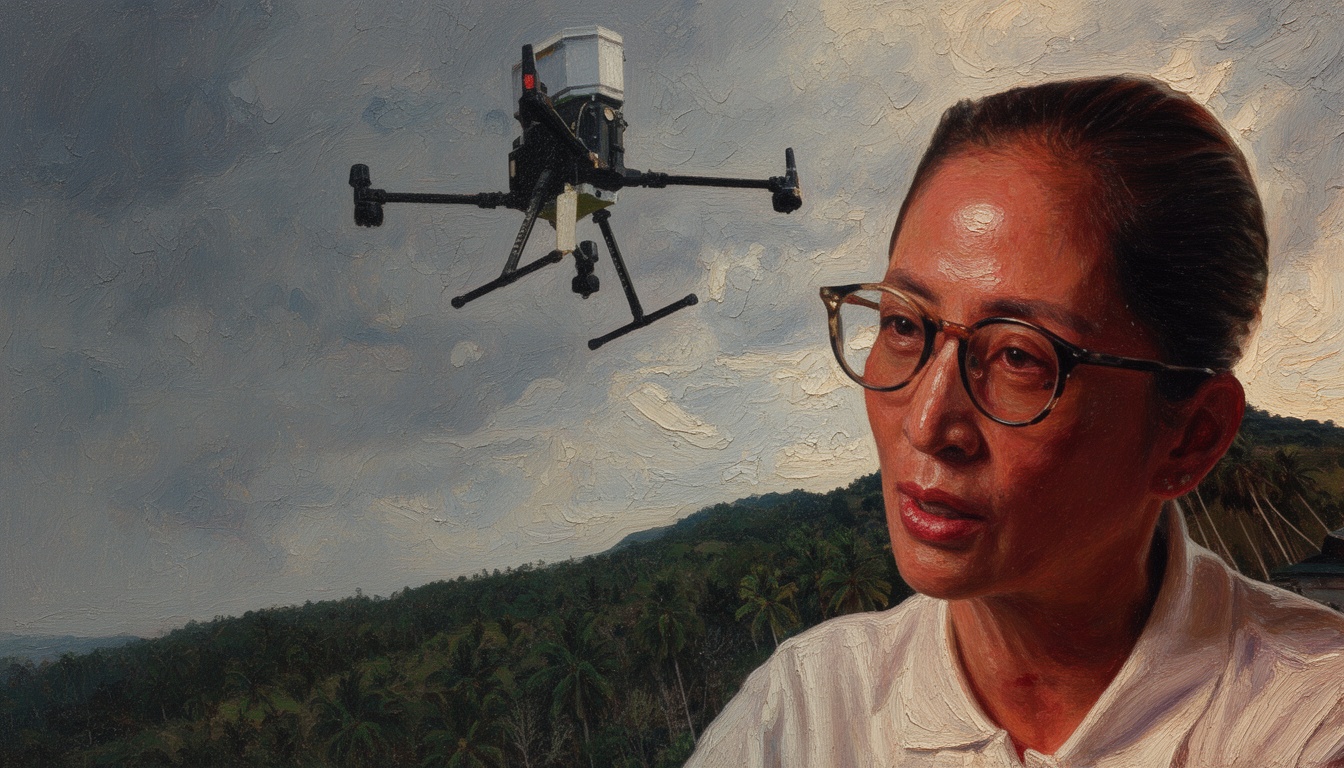
Drones are increasingly being utilized in the Philippines to combat tuberculosis, particularly in hard-to-reach communities. These unmanned aerial vehicles are being deployed to transport medicines and diagnostic samples, enabling healthcare providers to reach patients in remote areas where traditional healthcare delivery is challenging.
The initiative aims to address the significant public health challenge posed by tuberculosis in the Philippines, where the disease remains a leading cause of morbidity and mortality. The use of drones enhances the efficiency of healthcare services, reducing the time and effort required for transporting essential medicines to patients who are unable to access healthcare facilities.
This development holds strategic significance as it demonstrates the potential of technology in improving public health outcomes in underserved regions. By integrating drones into healthcare logistics, the Philippines sets a precedent that could inspire similar applications in other countries facing comparable challenges with healthcare access.
Operationally, these drones are designed to carry medications, testing kits, and laboratory samples. The technology enables timely delivery, which is crucial in managing tuberculosis effectively. Local health authorities are piloting this initiative with trained personnel overseeing the operations to ensure that correct protocols are followed.
The success of drone usage in tuberculosis care could pave the way for broader applications within global health frameworks, improving access to essential health services in isolated regions. As healthcare systems evolve, innovative solutions like this are vital in bridging the gaps in healthcare access worldwide.