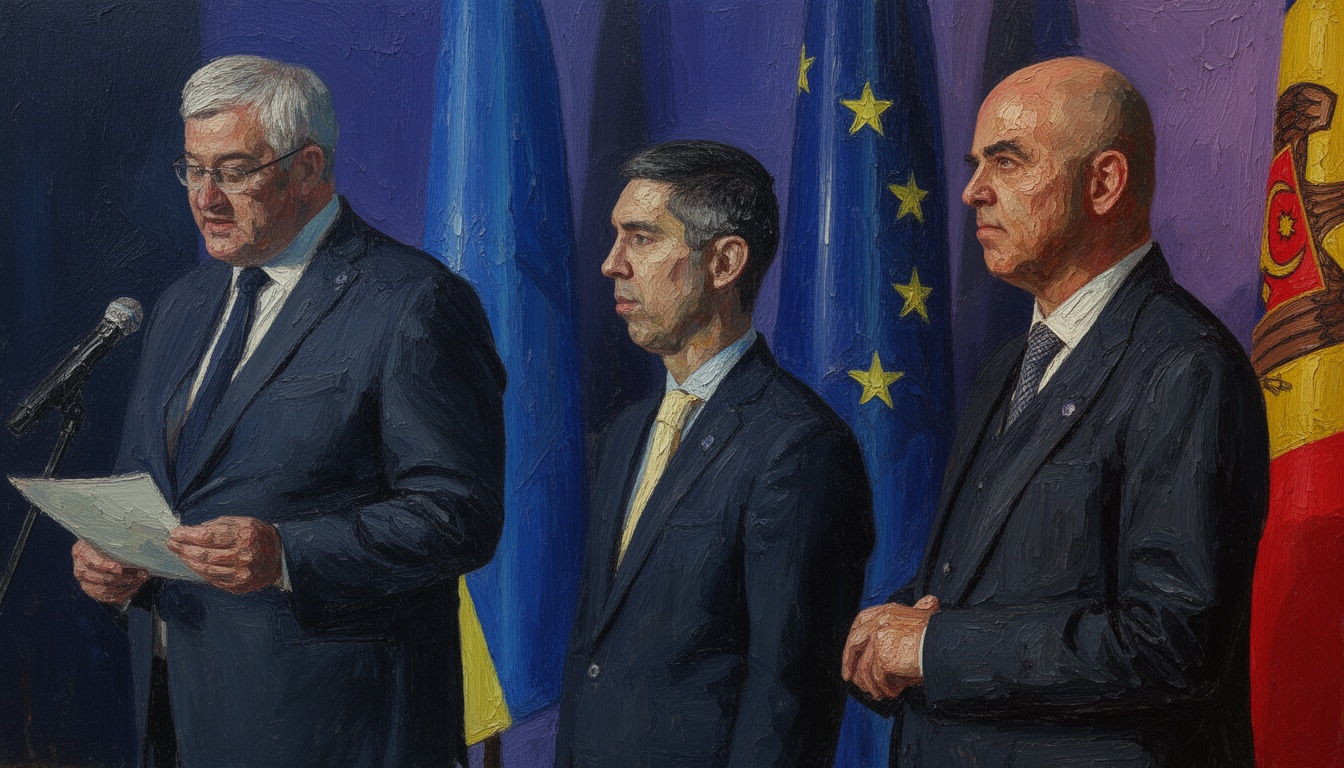
36 Countries Back Special Tribunal for Ukraine Against Russia
The formation of a tribunal will enable Ukraine to prosecute Russia for aggression. This international legal body includes broad support from Europe and beyond, reflecting a significant geopolitical stance.
On Friday, thirty-six countries, including thirty-four European states, Australia, and Costa Rica, unanimously approved the establishment of a special tribunal aimed at prosecuting Russia for its invasion of Ukraine. This tribunal is expected to address the legal classification of Russia's actions as a 'crime of aggression' and will allow Ukraine to seek justice on the international stage.
The tribunal comes in response to Russia's ongoing military actions since February 2022, which have resulted in significant casualties and destruction throughout Ukraine. Advocates for the tribunal believe that it will not only hold Russia accountable but also set a precedent for future international legal actions regarding acts of aggression against sovereign nations.
Strategically, the support from a wide range of countries exemplifies a united front against Russian aggression. This coalition of nations underscores the importance of international law and the collective security principle, marking a pivotal moment in global geopolitics.
Operationally, the tribunal's jurisdiction will focus on the specific acts of aggression committed during the conflict, with the possibility of also addressing war crimes and human rights violations. As the tribunal unfolds, it is expected that various international legal experts and representatives from participating countries will draft the operational guidelines and legal frameworks necessary for its function.
The establishment of this tribunal may have profound consequences for future interactions with Russia, especially regarding diplomatic relationships and security arrangements in Europe. The outcome of the tribunal could influence how similar conflicts are approached and addressed within the international community, potentially reshaping global norms around acts of aggression.