Military force fails to resolve Mali crisis, experts warn
Political dialogue in Mali is seen as the only sustainable solution. Experts emphasize the need for a strategic rethink to stabilize the Sahel region.
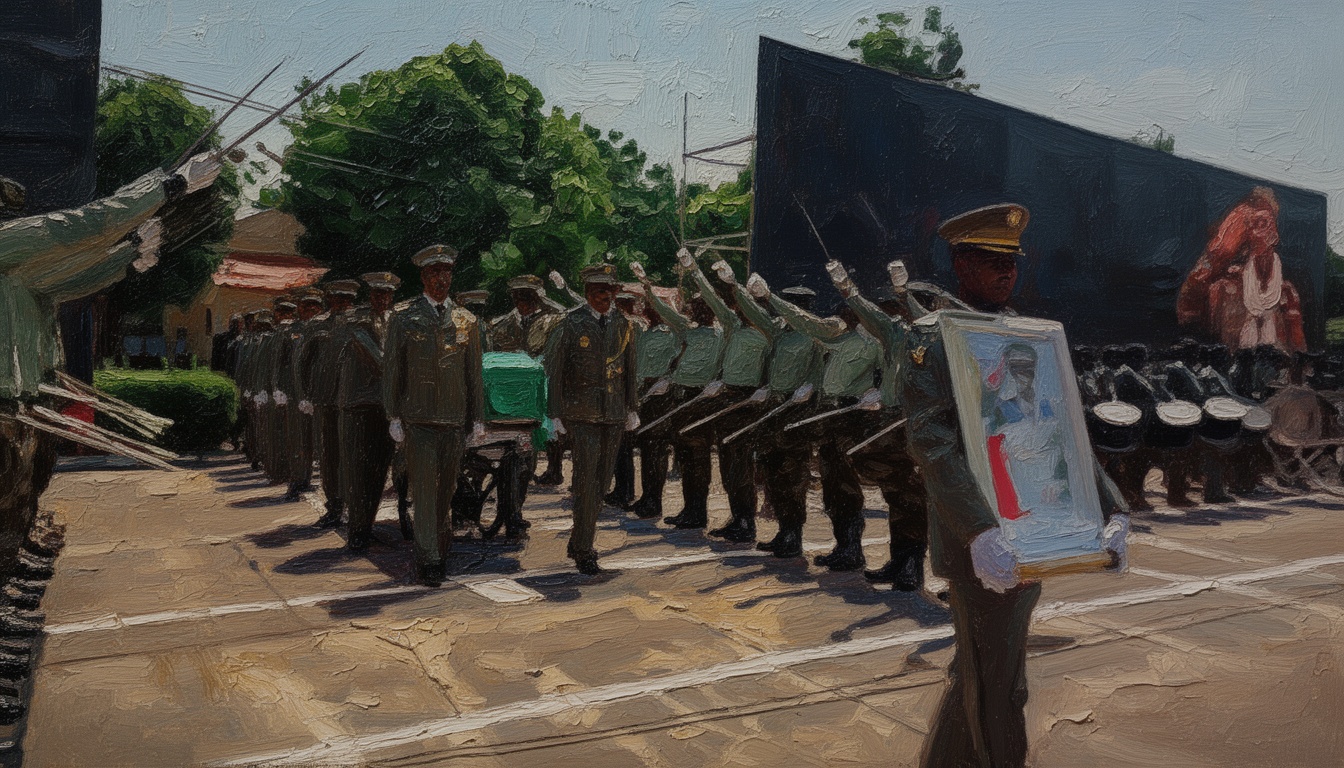
The ongoing crisis in Mali has been described as deteriorating, underscored by the recent death of Defence Minister General Sadio Camara, which has sparked large public commemorations. Thousands have gathered to honor Camara amid rising tensions and fears of escalating violence. This backdrop has prompted discussions on the efficacy of military interventions versus political solutions in halting Mali's downward spiral.
Historically, Mali has faced profound instability, with the 2012 crisis leading to significant foreign military involvement, notably by French forces. Paul Melly, a Consulting Fellow for the Africa Programme at Chatham House, notes the stark similarities between now and the events that unfolded over a decade ago. The lessons learned from that period highlight the complexities involved in managing insurrections and the importance of addressing the underlying causes of unrest.
The growing consensus among experts indicates that a solely military approach will not suffice to restore order in Mali. Continued support for military operations may only be a temporary band-aid, failing to provide lasting peace. Melly points out that a comprehensive political strategy is crucial to engage various stakeholders, including local communities and international partners, in fostering dialogue and reconciliation within the nation.
Operationally, Mali's Defense Forces have been equipped with international support, yet logistical challenges and issues with governance complicate their effectiveness. The recent militarization of the region raises questions about sustainable security measures in an environment marked by tribal conflict and insurgent activity. Without addressing these governance issues, further military escalations may only entrench existing tensions.
In examining the future, the international community must reassess its involvement in Mali. Experts argue that the focus should shift to facilitating political negotiations, aimed at creating a cohesive national framework to address both security and humanitarian needs. Failure to adapt may lead to a repeat of past mistakes, risking another cycle of violence and instability in the Sahel region.