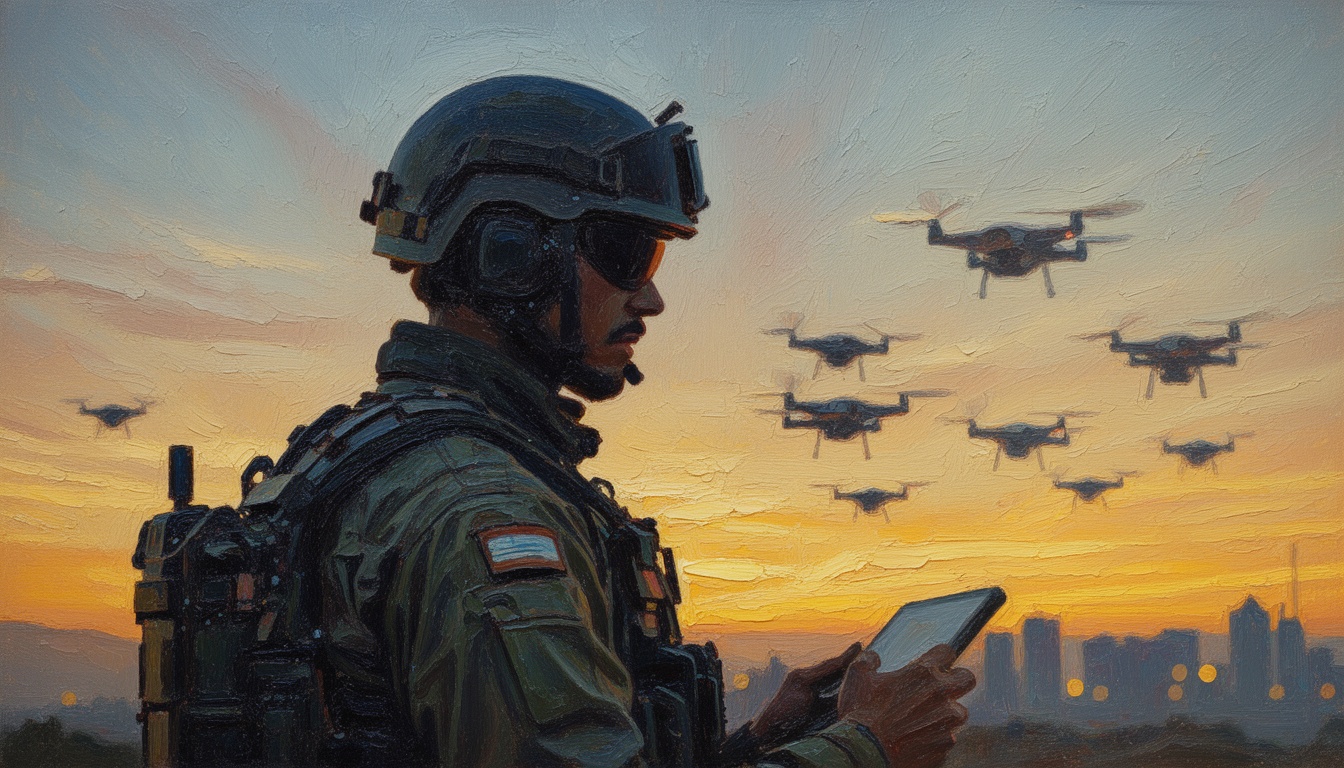
Automation vs Autonomy: The Future of Battlefield Drones
The debate between automation and autonomy will greatly influence military drone capabilities. Understanding this distinction is crucial for future conflict dynamics.
The evolution of battlefield drones is increasingly defined by the tension between automation and autonomy. Automation typically requires human input for critical decisions, while autonomous systems are designed to function independently once programmed. As military technology advances, the ability of drones to operate autonomously may significantly enhance operational efficiency and responsiveness in combat scenarios.
Historically, military drones have operated under strict human control, ensuring that ethical and strategic considerations remain central to their deployment. However, the push for more effective and timely responses on the battlefield is driving interest in autonomous capabilities. This shift reflects broader changes in warfare, where speed and adaptability are paramount in decision-making.
The strategic significance of this development cannot be overstated. Drones equipped with autonomous systems can respond to threats without waiting for human commands, effectively acting as force multipliers. This could lead to a new paradigm in warfare, where the speed of operations could overwhelm traditional responses from enemy forces and shift the balance of power.
Currently, various military powers are investing in developing autonomous drones. For instance, the United States has been at the forefront with initiatives aimed at integrating artificial intelligence into drone operations. Meanwhile, countries like China and Russia are also advancing their drone technologies, focusing on improving autonomy to enhance their military capabilities.
The likely consequences of these advancements include a faster escalation of conflicts, as autonomous drones can radically change engagement strategies. Furthermore, ethical concerns around the use of autonomous weapons may provoke international legal debates and potentially lead to new treaties governing their use. As military organizations move towards these technologies, understanding the implications of autonomy versus automation remains crucial for future military strategy.