US-China Military Communication Shows Unexpected Improvement
A notable shift in US-China military dialogue hints at potential de-escalation. High-ranking Pentagon officials emphasize increased communication amid ongoing strategic rivalry.
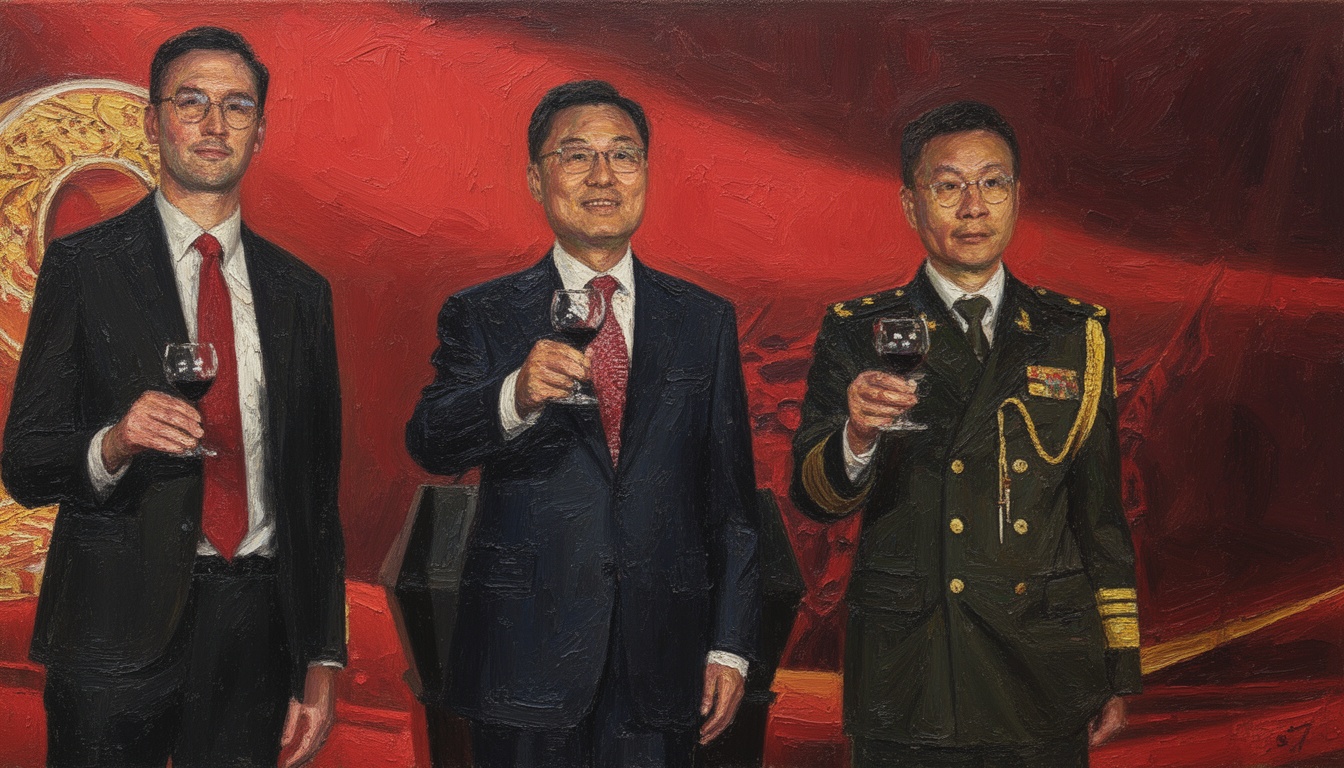
During an event celebrating the People's Liberation Army's anniversary, Alvaro Smith, the Deputy Assistant Secretary of Defense for China, Taiwan and Mongolia, declared on Tuesday that military communication between the United States and China is now "stronger than it has been in years." This statement reflects an unexpected improvement in relations amidst ongoing strategic tensions between the two countries.
The Pentagon has emphasized that the restoration of military communication channels is critical for reducing misunderstandings and miscalculations that could escalate into dangerous confrontations. Smith noted that under the leadership of Secretary of Defense Pete Hegseth, efforts to mend the previously broken military-to-military communication have been prioritized, indicating a commitment to dialogue even in strained relations.
This development is significant as it could symbolize a shift towards cooperation in certain military domains, despite the broader strategic rivalry that has defined US-China relations in recent years. The emphasis on communication aims to alleviate fears of conflict and foster a more stable security environment in the Indo-Pacific region.
Specifically, the improvements in military dialogue could lead to more reliable lines of communication during crises, potentially averting conflicts resulting from miscommunication. Such measures are seen as essential in avoiding the pitfalls of past interactions that have led to heightened tensions.
Looking forward, ongoing military dialogue may influence other domains of US-China relations, presenting opportunities for collaboration on security issues, which could have implications for global security dynamics. However, persistent underlying tensions remain, requiring continuous diplomatic engagement to maintain this fragile momentum.