Ebola Cases Surge Amid Conflict in Eastern DR Congo
The spread of a rare Ebola strain has escalated in eastern Democratic Republic of Congo, nearly doubling confirmed cases in just days. WHO Director-General Tedros Adhanom Ghebreyesus emphasizes the need for community-led efforts in combating the outbreak.
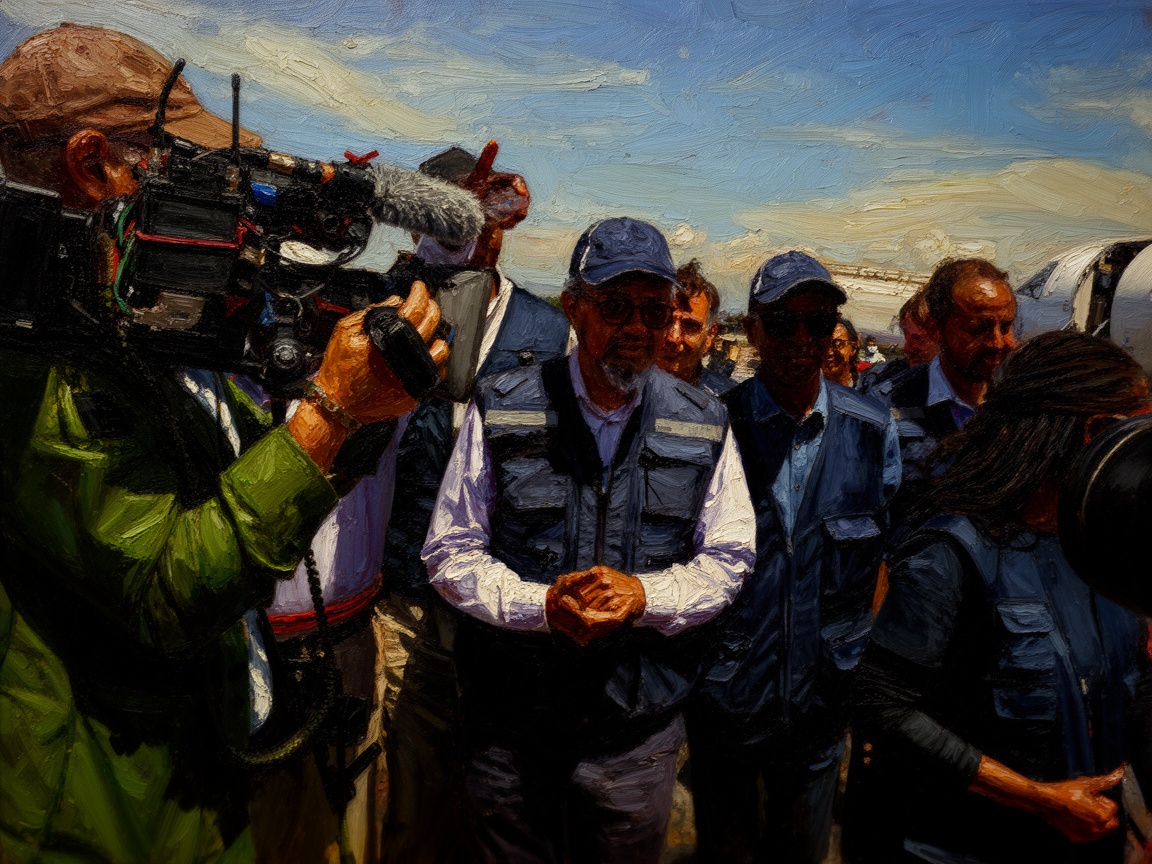
Confirmed cases of a rare strain of Ebola in the eastern Democratic Republic of Congo (DRC) have nearly doubled in just a few days, now exceeding 100 cases. This rapid increase is attributed to ongoing violence and instability in the region, which has complicated response efforts. WHO Director-General Tedros Adhanom Ghebreyesus visited DRC to assess the situation and called for a coordinated community-led fight against the outbreak.
The DRC is experiencing a resurgence of Ebola, which has historically been difficult to contain due to similar challenges. The current strain is particularly concerning, as it spreads rapidly among communities that are already coping with the effects of armed conflict. Local healthcare systems are strained, making it challenging to implement effective containment measures.
Strategically, the situation underscores the need for robust international support and collaboration in public health matters. The ongoing conflict in eastern DRC exacerbates the crisis, highlighting the importance of integrating health responses with peace-building efforts. Enhanced surveillance and vaccination campaigns are necessary to curb the escalation of the outbreak.
Operationally, the WHO has mobilized resources to assist local authorities in tackling the outbreak, including deploying healthcare workers and establishing treatment centers. The agency has also called for increased funding to address logistical challenges and ensure that health facilities are equipped to handle the influx of patients. Community engagement will be vital in disseminating information regarding prevention and care.
The implications of this Ebola outbreak could be profound, particularly if it continues to spread unchecked. The ongoing violence may delay efforts to contain the disease, leading to more cases and potential regional instability. The international community must prioritize the urgent response to not only address the health crisis but also stabilize the affected areas for long-term recovery.