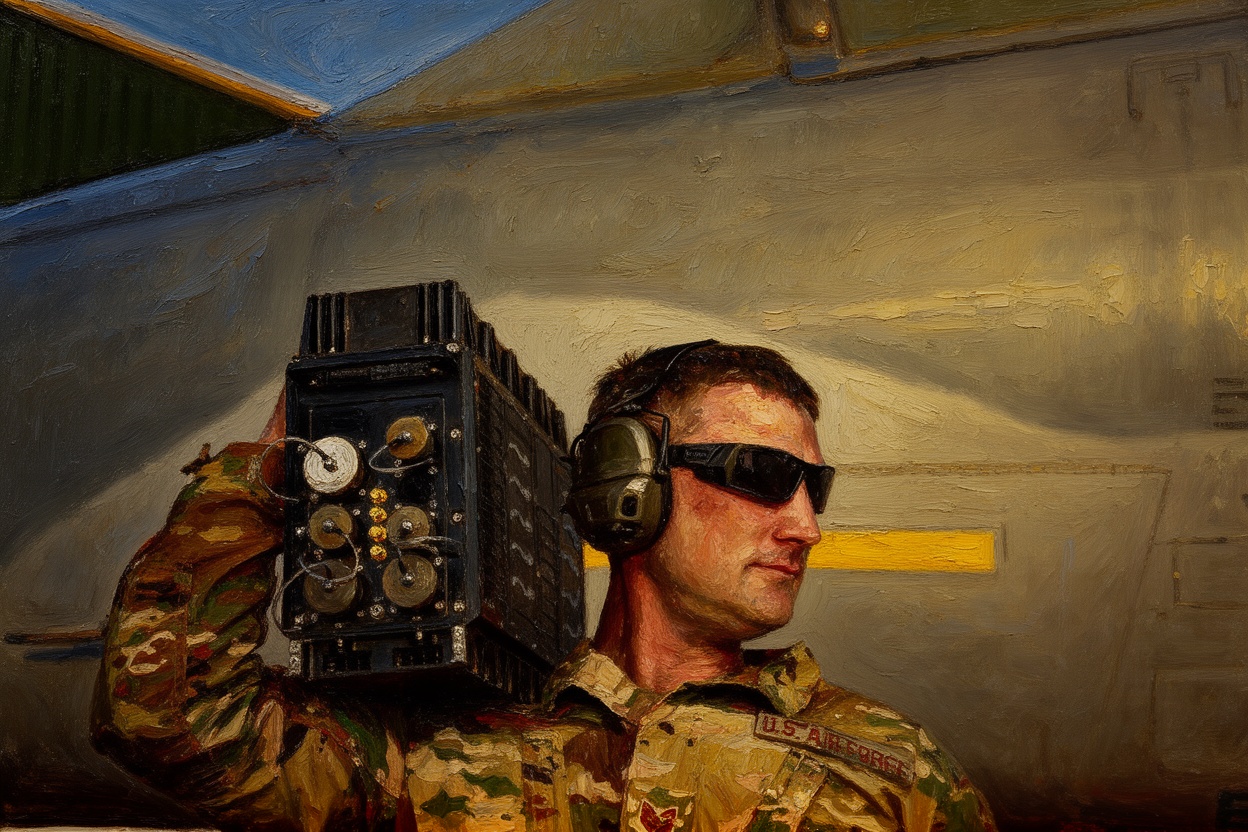
Edge Computing Hindered by Inflexible Mission Hardware
The challenge of integrating edge computing in defense systems highlights the necessity for adaptable hardware. This evolution is essential for enhancing operational efficiency and mission capabilities.
Edge computing has emerged as a critical element in modern military operations, providing significant advantages in data processing and real-time decision-making. However, the effectiveness of this technology is increasingly limited by the inability of mission hardware to evolve efficiently.
Historically, military hardware has remained static for extended periods, which creates obstacles for the integration of advanced computing solutions. As defense operations demand more sophisticated systems, the inability to upgrade hardware to support edge computing can impede the benefits of quicker tech insertion and increased capabilities.
The strategic significance of this issue is paramount, as militaries worldwide strive to enhance autonomy and operational flexibility. Without the capacity to adapt mission hardware alongside computing advancements, armed forces risk falling behind in technology and effectiveness, ultimately affecting mission success.
Technical specifications of current military platforms reveal that many systems lack the modularity necessary for seamless upgrades. This includes various sensor systems and weapon platforms that are often designed for longevity rather than adaptability. Addressing this limitation is essential for achieving operational superiority.
The expected outcome of overcoming these hardware limitations would be a more agile military that can respond to emerging threats and challenges. Enhanced capabilities in sensors and weaponry, alongside improved autonomy, will position forces to maintain tactical advantages on contemporary battlefields.