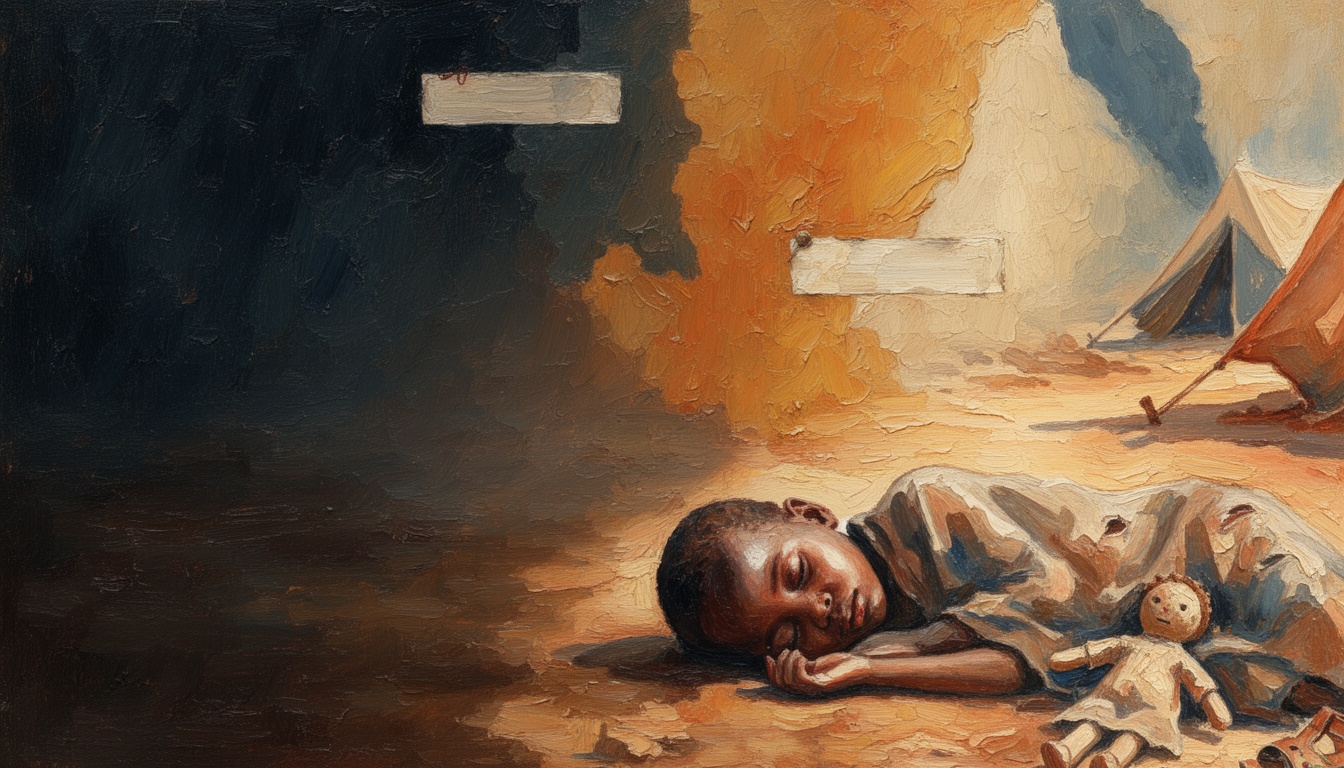
Darfur Conflict Raises Fears of Genocide
The ongoing conflict in Darfur, fueled by land disputes and racist ideologies, raises concerns of escalating violence and potential genocide. The situation continues to deteriorate amidst accusations of state neglect and systematic discrimination.
The conflict in Darfur has intensified, with deep-rooted issues surrounding land rights and ethnic tensions threatening to spiral into widespread violence and potential genocide. Reports indicate that marginalized communities have been targeted, exacerbating existing grievances and vulnerabilities within the region.
Historically, Darfur has suffered from neglect by the Sudanese government, which has often turned a blind eye to the plight of its citizens. This neglect, combined with economic hardships and historical grievances, has fostered an environment ripe for conflict. As various factions vie for control over land and resources, the situation has become increasingly volatile.
Strategically, the ongoing violence in Darfur poses a significant threat not only to Sudan's stability but also to neighboring regions. This potential for regional destabilization heightens the importance of international attention and intervention to address the underlying issues driving the conflict.
Allegations of human rights abuses continue to emerge, with credible reports of systematic ethnic targeting and violence against specific communities. Groups such as the Janjaweed have been implicated in acts of violence, contributing to fears of genocide as the situation unravels further.
Moving forward, the international community faces pressing questions about how to respond to the escalating crisis. Urgent diplomatic efforts will be necessary to mediate differences and promote stability, ensuring that the cycle of violence does not continue unchecked in Darfur.