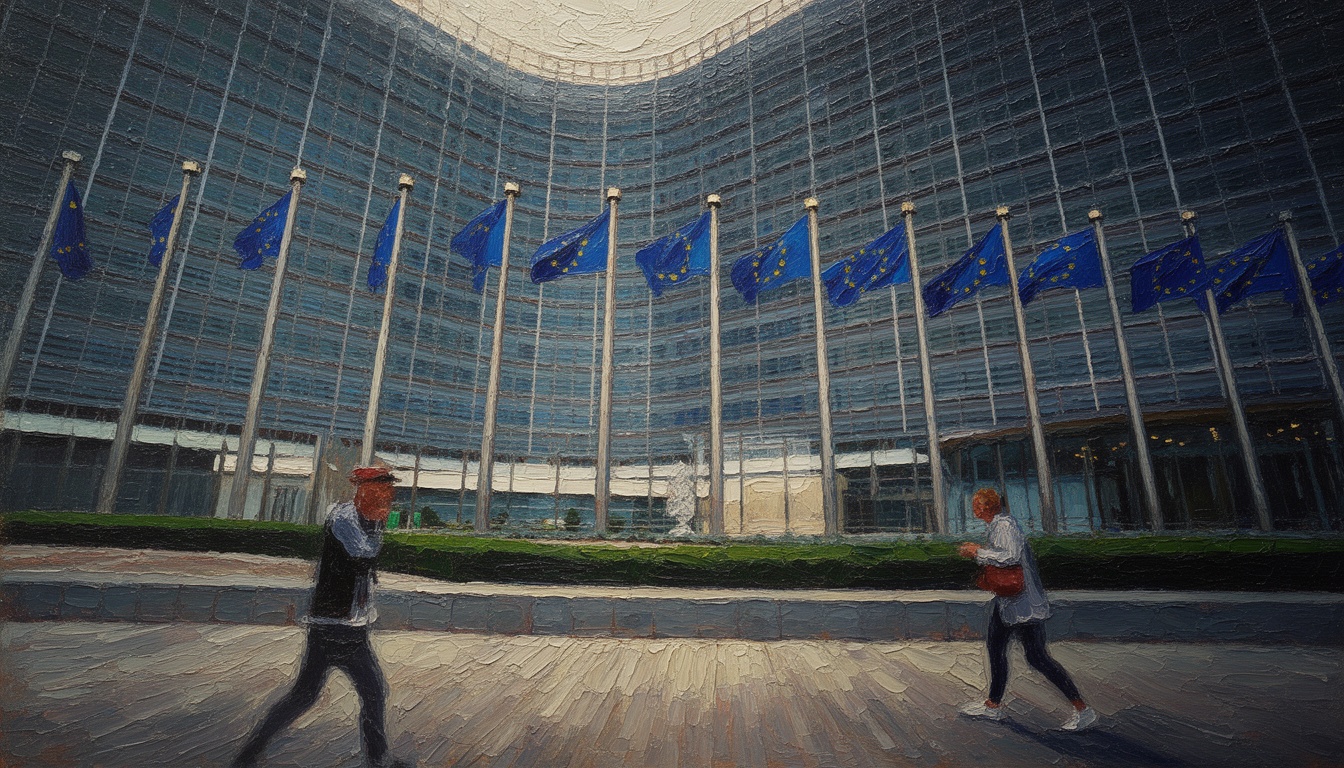
EU Agrees on 21st Sanctions Package Against Russia
The European Union has reached a political agreement on new sanctions against Russia, aimed at impacting its oil revenue amidst the ongoing Ukraine conflict. This sanctions package is significant in the EU's continued efforts to isolate Russia economically.
European Union ambassadors reached a political agreement on Thursday on a new round of sanctions against Russia, marking the 21st set of sanctions since the onset of the Ukraine conflict. This decision was confirmed by diplomats from the EU, indicating a unified stance against Russian actions in Ukraine.
The latest sanctions package includes a significant measure — a 12-month freeze on the price cap for Russian oil. This maneuver is designed to further limit Russia’s revenues from oil sales, which are crucial for its war finances amid the Ukrainian conflict.
Strategically, these sanctions represent the EU's persistent effort to exert economic pressure on Russia. By freezing the oil price cap, the EU aims to undermine the Kremlin’s ability to fund military operations, contributing to the longstanding international goal of bringing an end to the conflict in Ukraine.
In terms of specifics, the sanctions will likely target various sectors, with a particular focus on energy. High-level discussions indicated that the sanctions package will also include measures aimed at limiting Russia's access to critical technologies and financial institutions, reinforcing the EU’s commitment to holding Russia accountable.
The consequences of these measures may provoke further escalation in Russian hostility towards Ukraine. Analysts expect that Russia will seek alternative markets or means of revenue, which could lead to shifts in logistics and geopolitics in the region. The sanctions are expected to take effect shortly, further complicating the diplomatic landscape in Eastern Europe.