EU Divided on Sanctions Against Israeli Minister Ben-Gvir
The European Union continues to struggle with internal divisions regarding sanctions on Israel, specifically related to far-right Minister Itamar Ben-Gvir. This ongoing discord reflects larger geopolitical tensions within the EU regarding Middle Eastern policy.
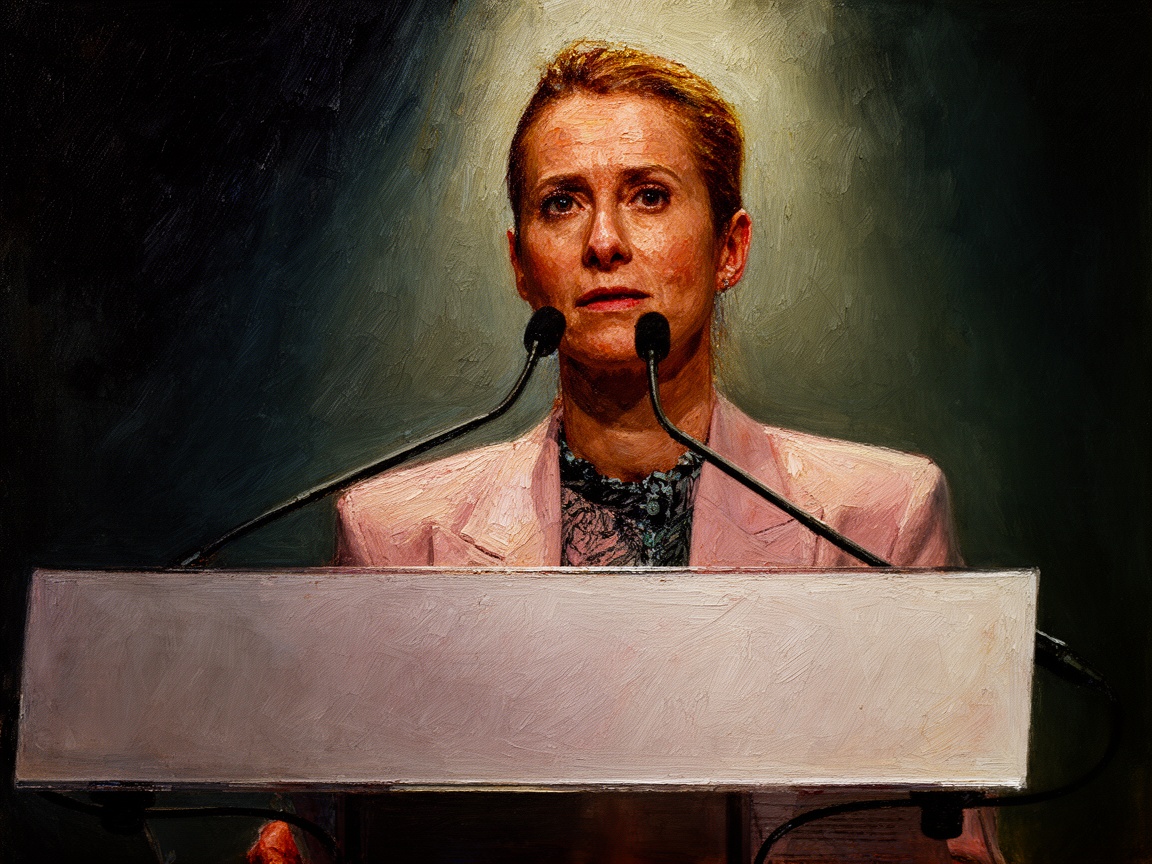
The European Union has not reached a consensus on imposing sanctions against Israeli far-right minister Itamar Ben-Gvir. Kaja Kallas, the EU’s diplomacy chief, confirmed that differences among member states persist over the issue of sanctioning Israel. This disagreement underscores the complexities faced by the EU in developing a unified foreign policy approach towards Israel.
The internal divisions within the EU regarding this matter have been highlighted during discussions on international relations with Israel. Member states vary widely in their perspectives and diplomatic strategies regarding Israel, especially in light of recent escalations and controversial actions undertaken by the Israeli government. The lack of agreement on punitive measures against Ben-Gvir indicates a significant challenge for the EU in navigating its foreign policy objectives.
This situation is strategically significant as it reflects not only the EU's struggle to maintain cohesion among its members but also points to a broader trend of diverging views on Middle Eastern geopolitical issues. The conflict in Israel and Palestine continues to polarize opinions within Europe, complicating the EU's capacity to act decisively.
From a technical standpoint, discussions are hampered by a range of national interests and historical ties that influence each member state's stance. The EU has previously faced scrutiny for its perceived lack of action regarding Israel's policies. The failure to impose sanctions on a high-profile figure like Ben-Gvir may erode the EU's credibility in advocating for human rights and adherence to international law.
Looking forward, the ongoing rift concerning sanctions could have lasting repercussions for EU-Israel relations. As diverging opinions persist, the EU may find itself in a precarious position, balancing the need for a unified approach while addressing the nuanced perspectives of its member states. This discord may also embolden Israel’s government, leading to further escalations and intensified tensions in the region.