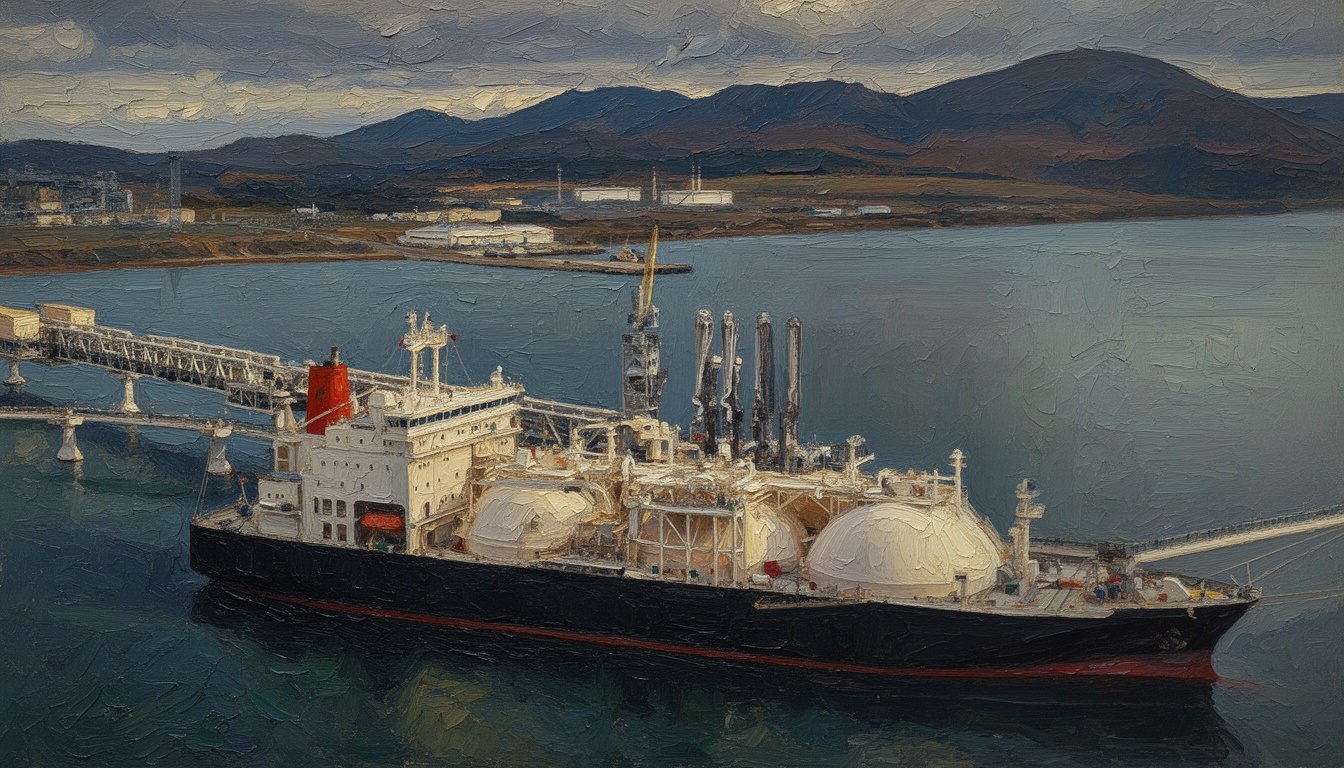
EU Eases Russia Sanctions Due to Strategic Concerns
The European Union has modified its sanctions against Russia to prevent China from gaining critical LNG assets. This decision allows Greek companies to continue transporting Russian gas to third countries for another year, countering potential Chinese influence.
The European Union has decided to ease its sanctions on Russia amid concerns that the measures could inadvertently benefit China. In efforts to secure a consensus on the 21st package of sanctions aimed at Russia, the EU member states allowed Greek companies to transport Russian liquefied natural gas (LNG) to third countries for the next year.
This shift in policy was prompted by the realization that prohibiting Greek companies from handling Russian gas could result in the loss of essential shipping routes and assets to China. The EU's objective of crippling Russia's war machine may have led to unintended consequences, risking the strengthening of another global power’s grip on these critical resources.
Strategically, this decision highlights the EU's delicate balancing act in its relationship with both Russia and China. As Russian gas supplies are vital for various economies, including that of the EU, the bloc is striving to maintain energy security while also countering the potential advantages that China could exploit.
Details of the new sanctions indicate that EU operators will be permitted to facilitate the transportation of LNG for at least one more year. This extension allows for continuity in energy supplies while the EU grapples with finding alternative sources and methods to support its energy needs amid the ongoing conflict in Ukraine.
Looking ahead, this development may set the stage for more complex geopolitical dynamics as the EU navigates its sanctions regime against Russia. Furthermore, as tensions escalate, the potential for China to leverage this situation for its own benefit continues to loom large, prompting the EU to reassess its strategic priorities and alliances.