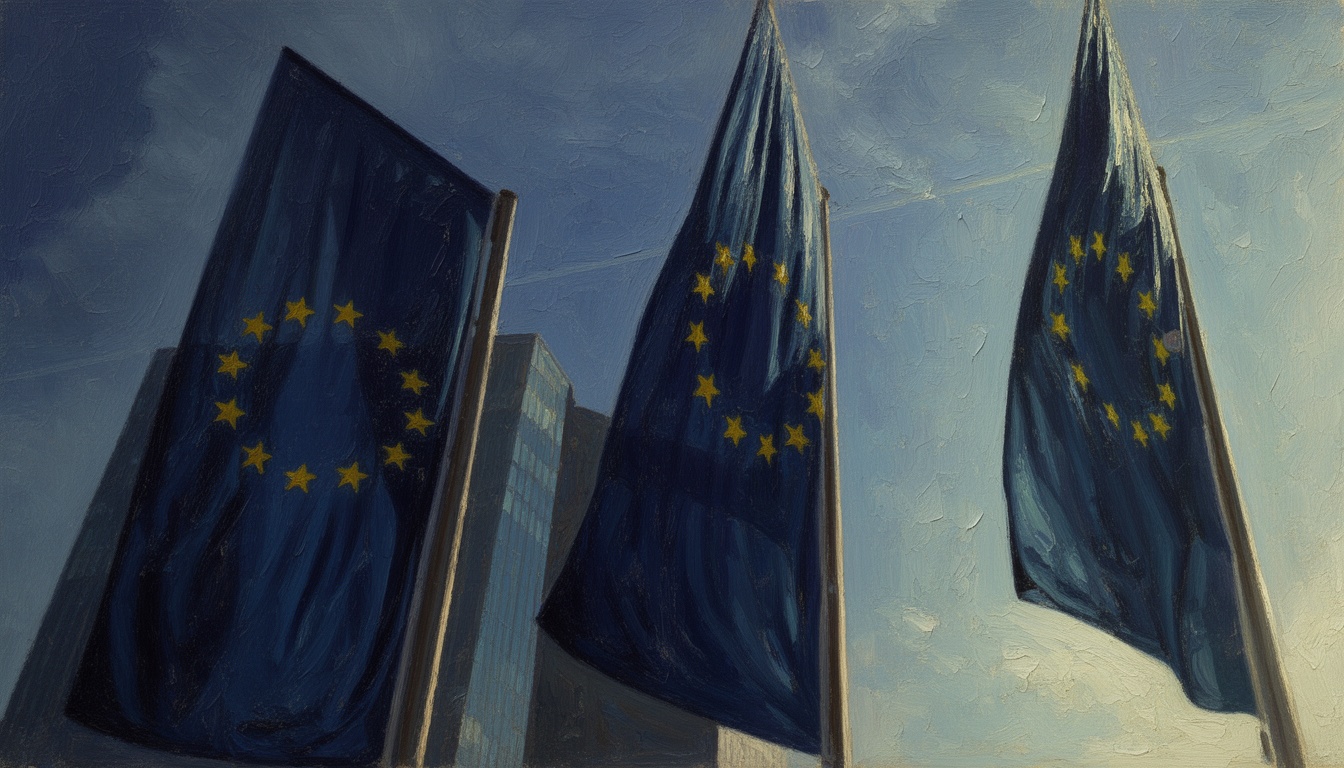
EU Leaders Strengthen Trade Defenses Against Chinese Exports
EU leaders are taking decisive steps to bolster trade protections against increasing Chinese exports, which they see as a threat to domestic industries. This initiative comes amid concerns over significant trade deficits with China.
European Union leaders have committed to strengthening trade defenses in response to a notable surge in Chinese exports, which has been identified as a significant threat to European industries. During a meeting on Thursday, they outlined strategies aimed at protecting their market from perceived unfair competition from Chinese goods.
The decision stems from growing apprehension within the EU regarding its economic dependence on China. Last year, the bloc recorded a staggering trade deficit of approximately 360 billion euros, underscoring the vulnerability of European markets to external pressures. The divergence in trade balances has sparked fears that continued reliance on Chinese imports could hinder the recovery of various sectors.
Strategically, the EU's initiative aims to reshape its trade policy by implementing measures that would enhance protective tariffs and prevent dumping practices by foreign competitors. The objective is to create a more balanced trading environment that prioritizes the interests of EU industries while simultaneously engaging in what leaders described as “constructive dialogue” with China.
Operational details regarding the new trade defenses are expected to be finalized in the coming months, with discussions on specific tariffs and regulations underway among member states. This move aligns with a broader trend of protectionism that has gained traction globally, as countries reevaluate their dependencies in an increasingly competitive international landscape.
Looking ahead, the EU's bolstered trade defenses are likely to influence its relationship with China, potentially escalating tensions in trade negotiations. Industry experts anticipate that these measures could lead to counteractions from Beijing, evidenced by a cautious stance towards any escalation that could disrupt established supply chains. The geopolitical landscape remains delicate as the EU seeks to navigate its economic interests while ensuring the stability of international trade relations.