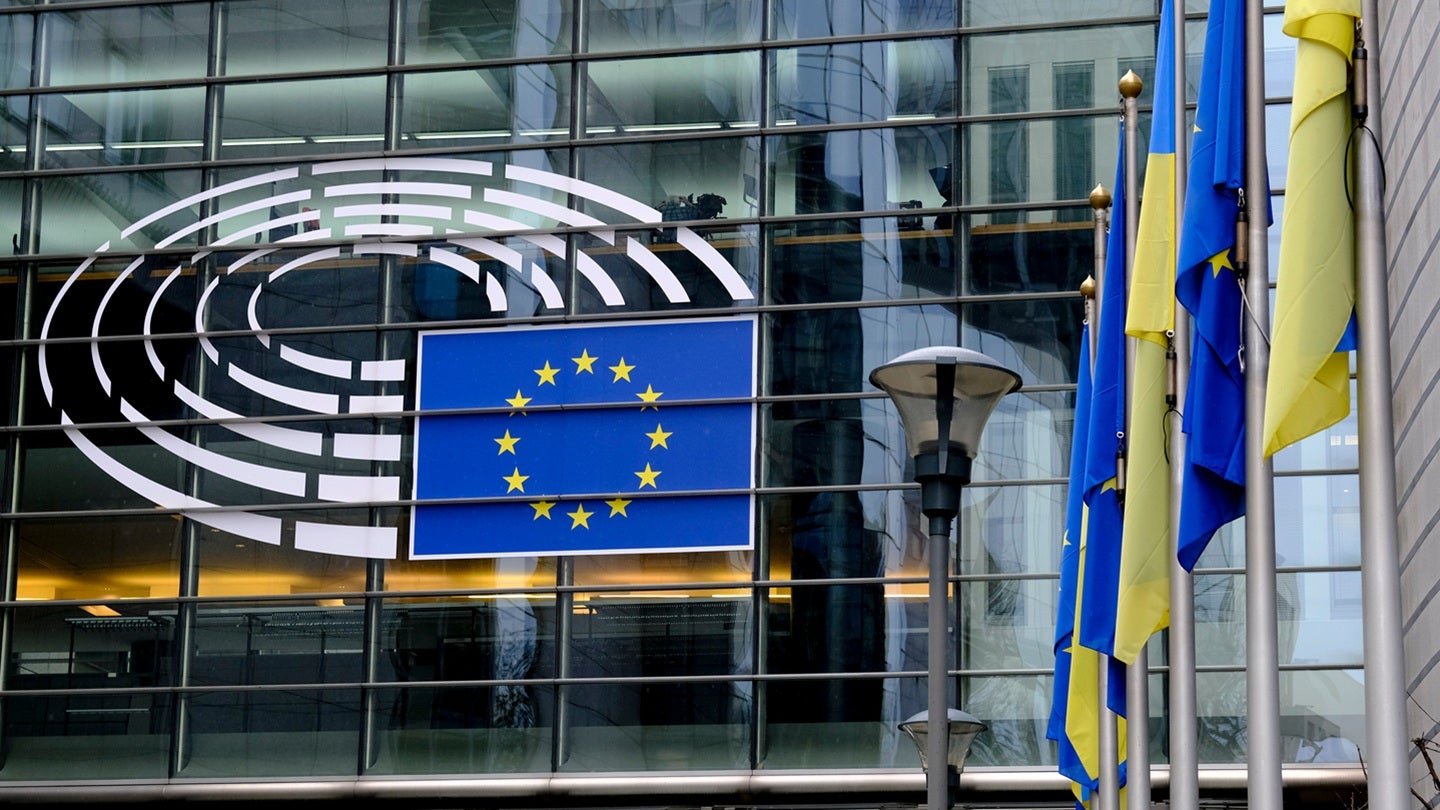
EU Seizes Russian Windfall Profits Amid Ukraine Combat Surge
The EU capitalizes on Russian profits as Ukraine experiences increased combat activities. This financial maneuver could enhance European support for Ukraine's defense efforts.
The European Union has recently seized a significant tranche of profits accrued from the frozen funds of the Central Bank of Russia. This action comes at a time when Ukraine is experiencing a notable surge in combat activities, particularly in July. The profits were originally intended for investment but have now been redirected to bolster European efforts in supporting Ukraine.
The context of this seizure reflects a broader strategy by the EU to leverage Russian financial resources against its aggressive maneuvers in Ukraine. The decision underscores the EU's commitment to providing financial and military assistance to Ukraine amidst ongoing hostilities. In light of increased military engagements, the redirecting of these funds may play a crucial role in sustaining Ukraine’s defense operations.
From a strategic perspective, the utilization of these funds signifies a reinforcement of European solidarity against Russian aggression. Analysts suggest that this move not only strengthens Ukraine's defense budget but also sends a strong message to Moscow regarding the consequences of its actions. Furthermore, such initiatives may encourage international allies to increase their support for Ukraine.
The specific amount seized has not been disclosed, but earlier reports indicated that the total frozen assets of the Central Bank of Russia are estimated at over €300 billion. By accessing these funds, the EU aims to significantly enhance Ukraine's combat capability as it faces intensified military challenges.
Looking ahead, the likely consequences of this financial seizure could lead to further escalations in the conflict. The increased financial support may empower Ukrainian forces, potentially shifting the balance of power on the ground. Additionally, this bold move from the EU might provoke retaliatory measures from Russia, thereby continuing the cycle of tension and conflict in the region.