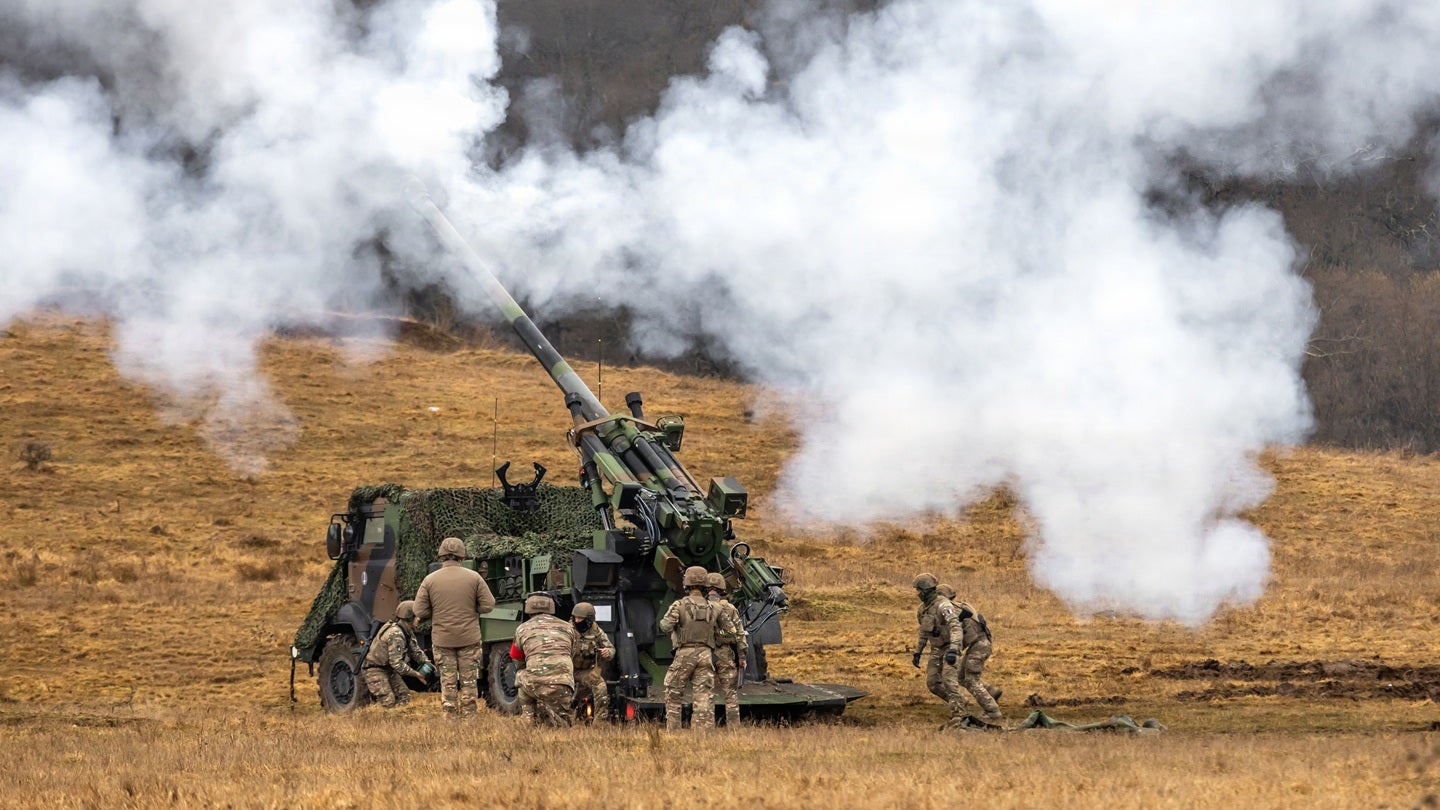
Europe and Asia-Pacific Clash for Global Artillery Dominance
The competition in the global artillery market intensifies between Europe and the Asia-Pacific region. Self-propelled artillery systems are at the forefront, showcasing significant developments and investments.
The global artillery market is witnessing a fierce rivalry between Europe and the Asia-Pacific region, particularly in the realm of self-propelled artillery systems. This segment has become a focal point for military modernization efforts, with both regions investing heavily to enhance their capabilities.
In Europe, countries such as Germany, France, and the United Kingdom are leading the charge with advanced systems like the PzH 2000 and CAESAR artillery systems. These weapons are renowned for their precision and mobility, giving European forces a competitive edge in modern warfare scenarios. On the other hand, the Asia-Pacific region, with major players like China, India, and South Korea, is not far behind; they are developing cutting-edge platforms such as the Chinese PLZ-05 and South Korea’s K9 Thunder.
Strategically, this competition could reshape alliances and defense strategies globally. The military capabilities derived from superior artillery systems could determine the outcome of regional conflicts, as nations evaluate their deterrent postures in tense environments. Additionally, increased artillery capabilities could lead to escalated arms races in these regions, impacting global stability.
The artillery market is also seeing a surge in investments for technological advancements. These include automation, advanced targeting systems, and enhanced mobility features. Budgets allocated for artillery development are expected to rise significantly, reinforcing the importance of these systems in national defense policies.
Looking ahead, the rivalry between Europe and the Asia-Pacific in the artillery sector is set to intensify. As both regions continue to innovate and expand their military arsenals, the implications for international security dynamics will be profound, possibly exacerbating tensions in already volatile regions.