Europe Coalition Plans to Open Strait of Hormuz Post-Ceasefire
A coalition of European nations may deploy naval destroyers and drones to ensure free passage through the Strait of Hormuz, contingent upon a ceasefire declaration. This initiative, spearheaded by the UK and France, could include participation from up to 40 nations.
A coalition of European nations is preparing to deploy naval destroyers and drones to secure the Strait of Hormuz, a vital shipping route for global oil supplies. This initiative, led by the United Kingdom and France, is contingent on a ceasefire being declared in the regional conflicts that threaten stability in the area. The plan aims to enhance maritime security by providing a multinational military presence to deter potential threats.
The Strait of Hormuz witnesses approximately 20% of the world's oil shipments, making it a critical chokepoint for energy supplies. Any disruption here could have significant ramifications for global oil prices and economic stability. The UK and France have been at the forefront of seeking diplomatic solutions to reduce tensions in the region and ensure safe passage for commercial vessels.
Strategically, this deployment is significant not only for maintaining freedom of navigation but also for sending a strong message to nations that may attempt to threaten shipping in the area. The involvement of up to 40 nations could indicate a unified front against potential aggressors, bolstering international maritime norms and security.
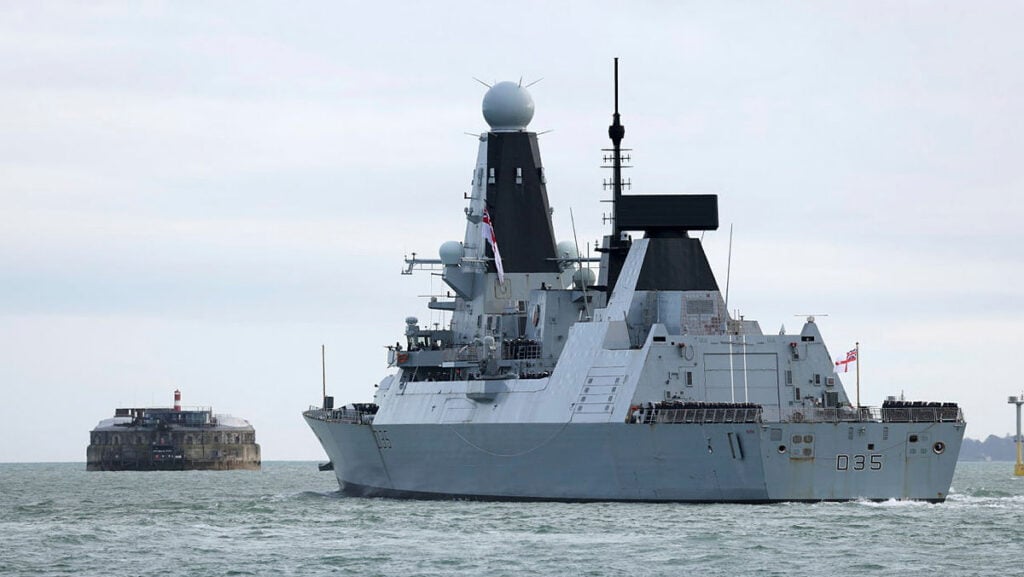
Operationally, the coalition could utilize a variety of assets, including Type 45 destroyers and advanced drone systems to monitor and respond to threats effectively. The UK's commitment to protect vital sea lanes has long been a cornerstone of its defense policy, while France has also reinforced its naval capabilities in the region.
The consequences of this initiative could reshape the strategic landscape of the Gulf region, particularly following a ceasefire. If successful, it may pave the way for further multinational security collaborations and contribute to a more stable maritime environment in one of the world's most critical waterways.