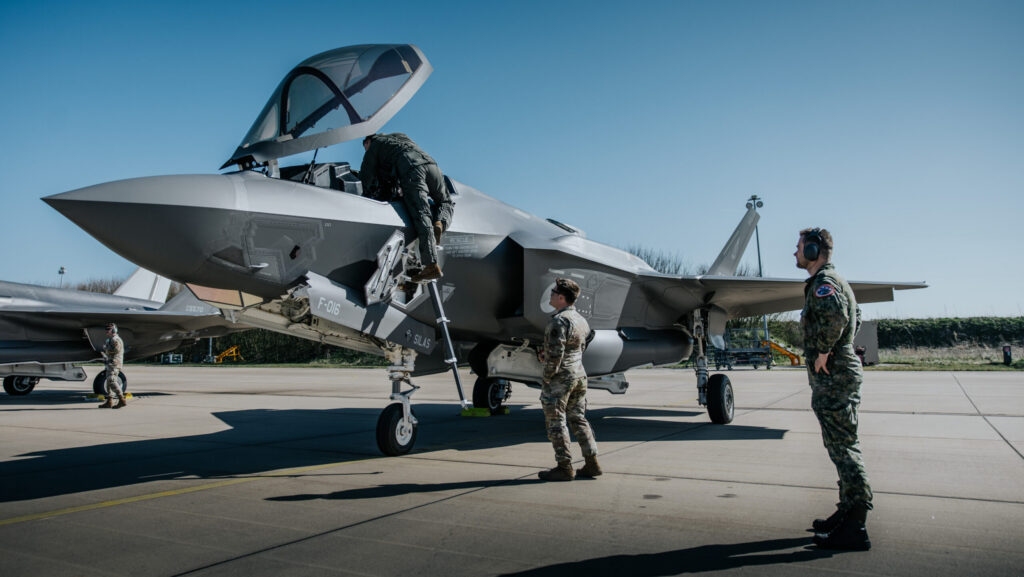
Europe Pushes for ITAR-Free Weapons Amid US Relations Strain
Tensions in US-European relations have sparked European efforts to acquire weapons free from US arms regulations. This shift reflects a desire for greater autonomy in defense procurement.
Increasing skepticism regarding US-European relations is driving a significant movement across Europe to seek alternatives to weapons that are bound by US arms traffic regulations, particularly the International Traffic in Arms Regulations (ITAR). This push is rooted in concerns over dependency on American defense systems and the restrictions imposed by US export controls, which have historically complicated joint military operations and collaborations.
European nations are increasingly recognizing the strategic necessity of developing their own indigenous defense capabilities. Countries such as France, Germany, and Italy are exploring options to bolster their armaments industries to ensure they can operate independently or with fewer dependencies on US-sourced technologies. The focus is on establishing a more integrated and self-sufficient European defense ecosystem.
The implications of this shift are profound, as it could alter the landscape of transatlantic defense collaboration. Should Europe succeed in enhancing its defense autonomy, it may lead to a rebalancing of power within NATO and change the dynamics of arms procurement. Such a transformation raises questions about the future of European defense integration and the long-term viability of existing US military partnerships.
Key programs under consideration to foster this change include the development of next-generation fighter aircraft, advanced missile systems, and unmanned aerial vehicles that are not subject to US control. There is a growing emphasis on ensuring these systems can meet NATO interoperability standards without being encumbered by American export restrictions.
As this trend develops, the potential consequences for global defense markets could be significant. American defense firms will need to adapt quickly to maintain their foothold in Europe and retain influential roles in ongoing European defense initiatives. How the US responds to these developments will be crucial in determining the future trajectory of transatlantic defense relations.