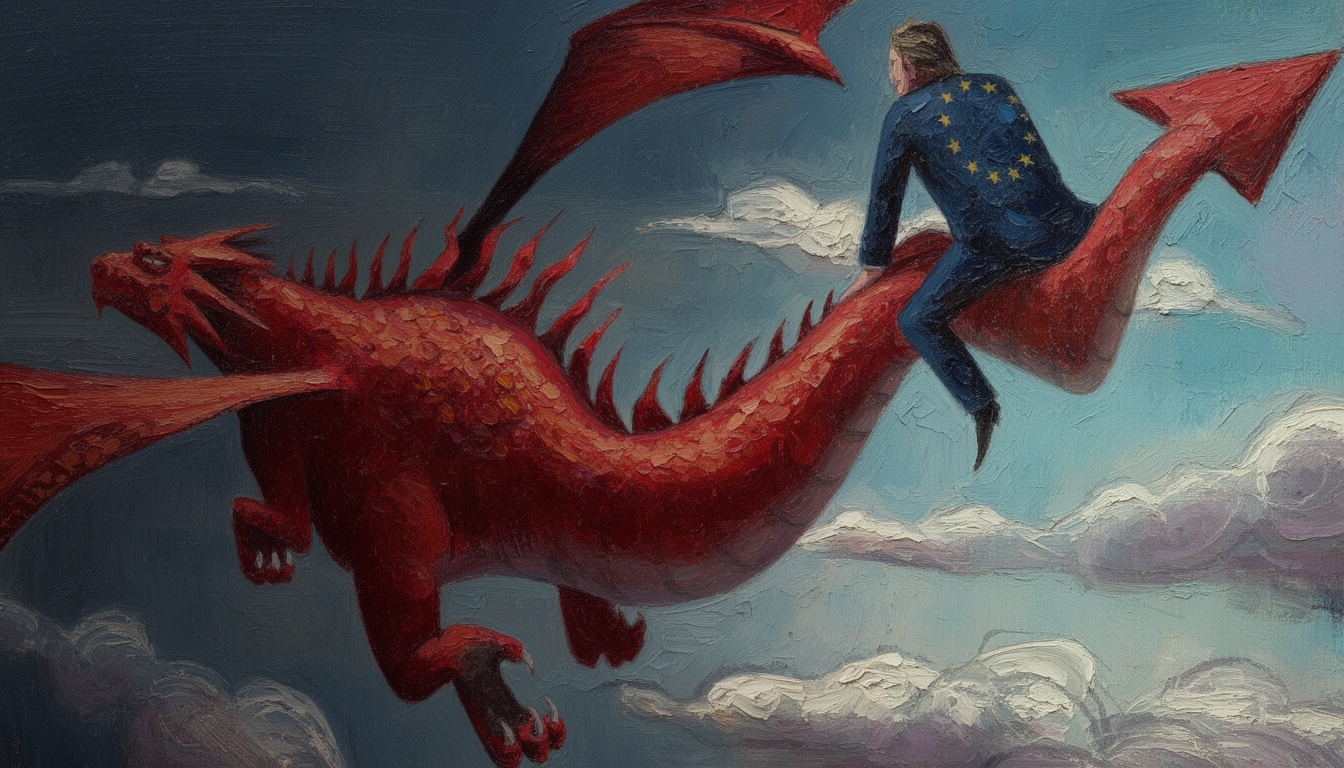
European Union's Growing Trade Tensions with China
The European Commission plans to intensify trade measures against China, with implications for global trade dynamics. Countering subsidized Chinese exports has become a priority.
The European Commission has intensified indications of its intention to engage in a trade conflict with China. This marks a significant shift as Brussels moves to address what it terms the China shock 2.0, characterized by a surge of subsidized Chinese exports, including electric vehicles (EVs), solar panels, and batteries. This initiative is no longer a mere rhetorical point; it appears to signal an imminent policy decision aimed at protecting European industries.
Historically, the current trade tensions echo the trade conflict between Europe and Japan during the late 20th century. Back then, European nations faced a sudden influx of Japanese products that undermined their local markets, leading to heightened protectionist sentiments. The comparison raises concerns that Europe is repeating a similar scenario with China, where subsidized goods threaten local production capabilities and market stability.
Strategically, these tensions have the potential to reshape global trade alliances. As the EU invests efforts to solidify its position as a counterweight to China's economic influence, the dynamics of international trade are set to evolve. Key European players may seek new partnerships or strengthen existing ones to bolster their economic independence from Chinese manufacturing dominance.
From a technical standpoint, the EU's focus on sectors like electric vehicles and renewable energy signals a targeted approach, aiming to stimulate local industries and reduce dependency on Chinese supplies. Measures may include tariffs or stricter regulatory frameworks aimed at Chinese products, particularly in high-tech sectors. Observers should anticipate further developments as Brussels prepares to unveil its specific strategies in the coming months.
In conclusion, a proactive stance against China may have mixed repercussions. While it aims to protect European markets and promote sustainability, this approach could risk further escalation of trade tensions with China, potentially leading to retaliatory actions that disrupt global supply chains. The coming months will be crucial in assessing the implications of these trade strategies and their impact on international economic relations.