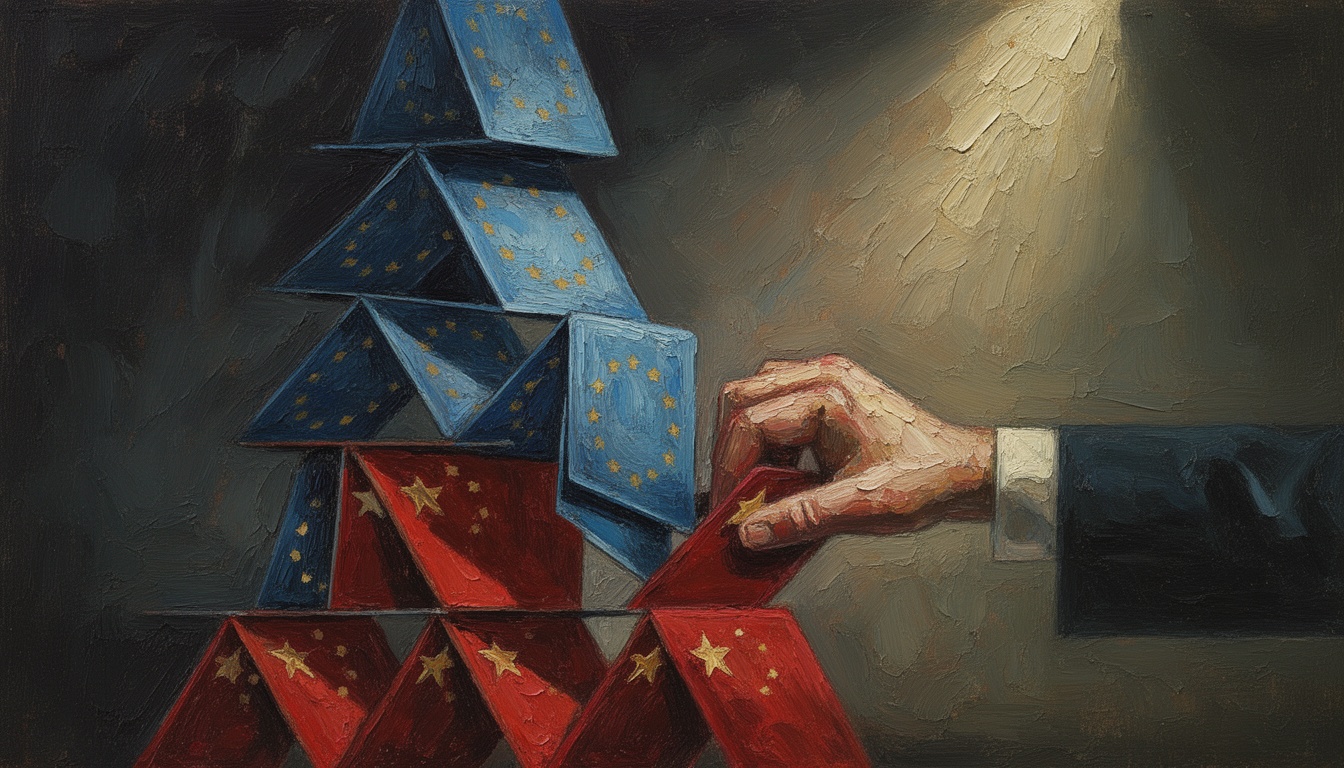
European Union’s Position Paper Describes China as Strategic Threat
The EU signals a shift in policy towards China, framing it as a long-term strategic challenge. This stance could redefine global power dynamics and security structures in Europe and beyond.
A newly released European Union position paper characterizes China as a significant security threat, encapsulating concerns from member states in Brussels. The document asserts that Beijing's actions represent a "critical long-term strategic challenge" to EU interests, particularly in the face of escalating global tensions. By branding China as a contributor to international instability, the EU aims to unify its approach to external threats.
The paper points to China's perceived support of Russia's actions in Ukraine as evidence of its destabilizing role in global affairs. Furthermore, it cites Beijing's military assertiveness in the South China Sea as a direct threat to not only European security, but also that of the wider Indo-Pacific region. This linkage indicates a strategic pivot by EU policymakers towards proactive measures in response to perceived aggressions from China.
The significance of this position cannot be overstated; it marks a departure from past European engagement strategies focused on cooperation with China. By adopting a more confrontational tone, the EU could potentially reshape its alliances and security partnerships. This alteration in approach may prompt a reevaluation of existing power relationships globally.
Operationally, the EU's new stance might lead to increased defense expenditures and enhanced cooperation with allies in response to the threats posed by China. It also raises the stakes for regional conflicts, suggesting a need for readiness against not just Russian aggression but also challenges from Beijing. Enhanced military preparedness may be on the horizon for European nations seeking to counteract these dual pressures of Russian and Chinese assertiveness.
In the longer term, the EU's aggressive posture towards China may complicate diplomatic relations in the region. Policymakers will have to balance the strategic necessity of confronting an emerging threat while managing dependencies on Chinese trade and investment. The implications of these decisions will likely reverberate through global markets, shaping the future international geopolitical landscape.