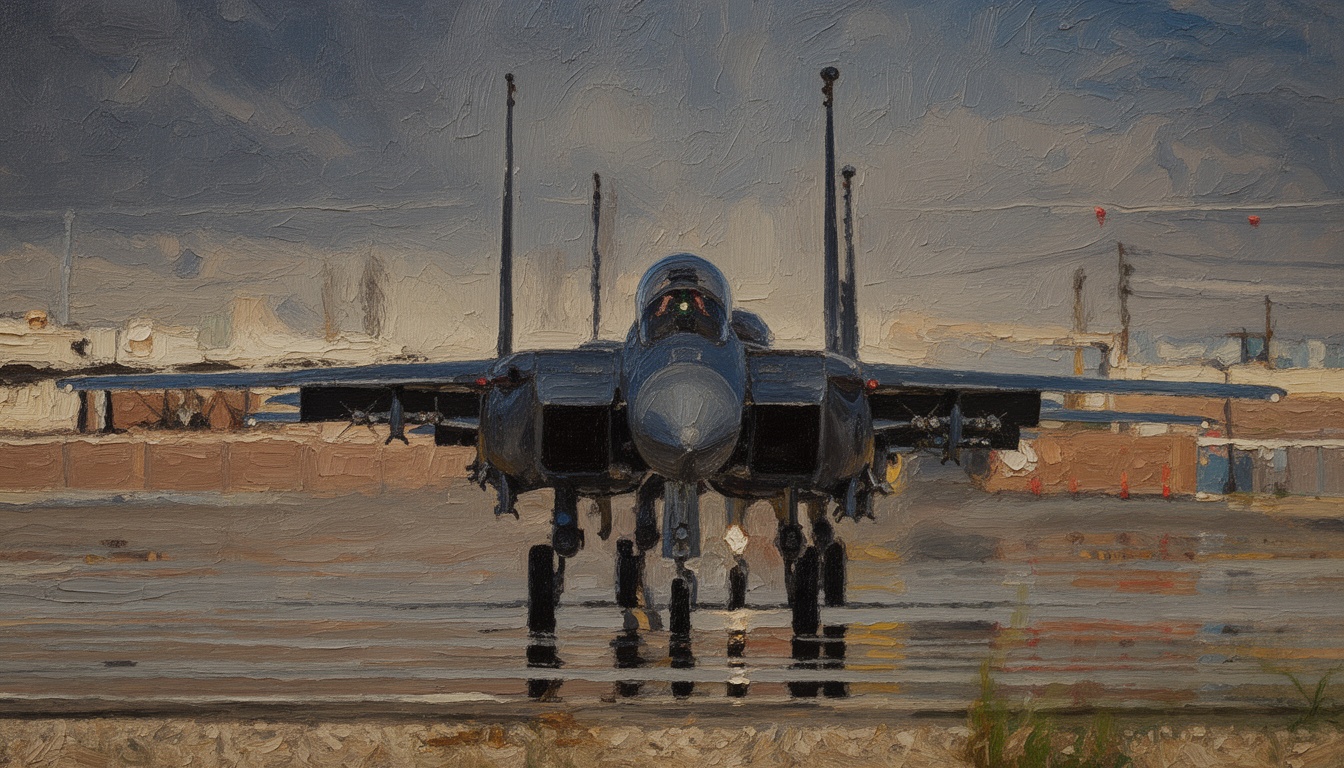
F-15E Strike Eagles Replace A-10s at Whiteman AFB
The reassignment of F-15E Strike Eagles from active duty to Reserves indicates strategic restructuring of the U.S. Air Force fleet. This move may precede the expansion of the F-15EX fleet as part of broader modernization efforts.
The U.S. Air Force is initiating a significant operational shift at Whiteman Air Force Base, with F-15E Strike Eagles set to replace the older A-10 Thunderbolts. This unexpected realignment suggests a comprehensive strategy regarding the future of air combat capabilities within the U.S. military. The transfer of F-15Es to Reserve units marks not only a change in aircraft types but may also signal future enhancements to the F-15EX fleet.
Historically, A-10s have played a crucial role in close air support missions since their introduction. The A-10's gradual replacement by F-15Es reflects ongoing modernization within the Air Force, aiming to optimize its fleet for contemporary conflicts. The transition to F-15Es in Reserve units could allow for increased flexibility and readiness in air operations, leveraging the superior capabilities of the Strike Eagle platform.
Strategically, this shift underscores the Air Force's commitment to maintaining air superiority while adapting to emerging threats and operational demands. The F-15E’s advanced avionics, improved range, and multi-role capabilities make it an essential asset in the evolving landscape of aerial warfare. By reallocating these aircraft, the U.S. aims to enhance its readiness posture and effectiveness in response to global military challenges.
Technically, the F-15E Strike Eagle is endowed with state-of-the-art weaponry and sensor systems, allowing for diverse mission profiles. It is capable of carrying a wide range of munitions, including precision-guided bombs and air-to-air missiles, making it a versatile platform. While the Air Force modernizes its fleet with new F-15EX aircraft, the continued use of F-15Es signifies a blend of new technological advancements with proven combat effectiveness.
The implications of this realignment suggest that the U.S. Air Force is preparing for a future where air dominance is prioritized. As the F-15EX fleet begins to take form, we can anticipate a gradual phase-out of older aircraft models and a focus on integrating next-generation capabilities. This strategic direction indicates a clear intention to bolster the U.S. military’s operational readiness amidst an increasingly competitive global environment.