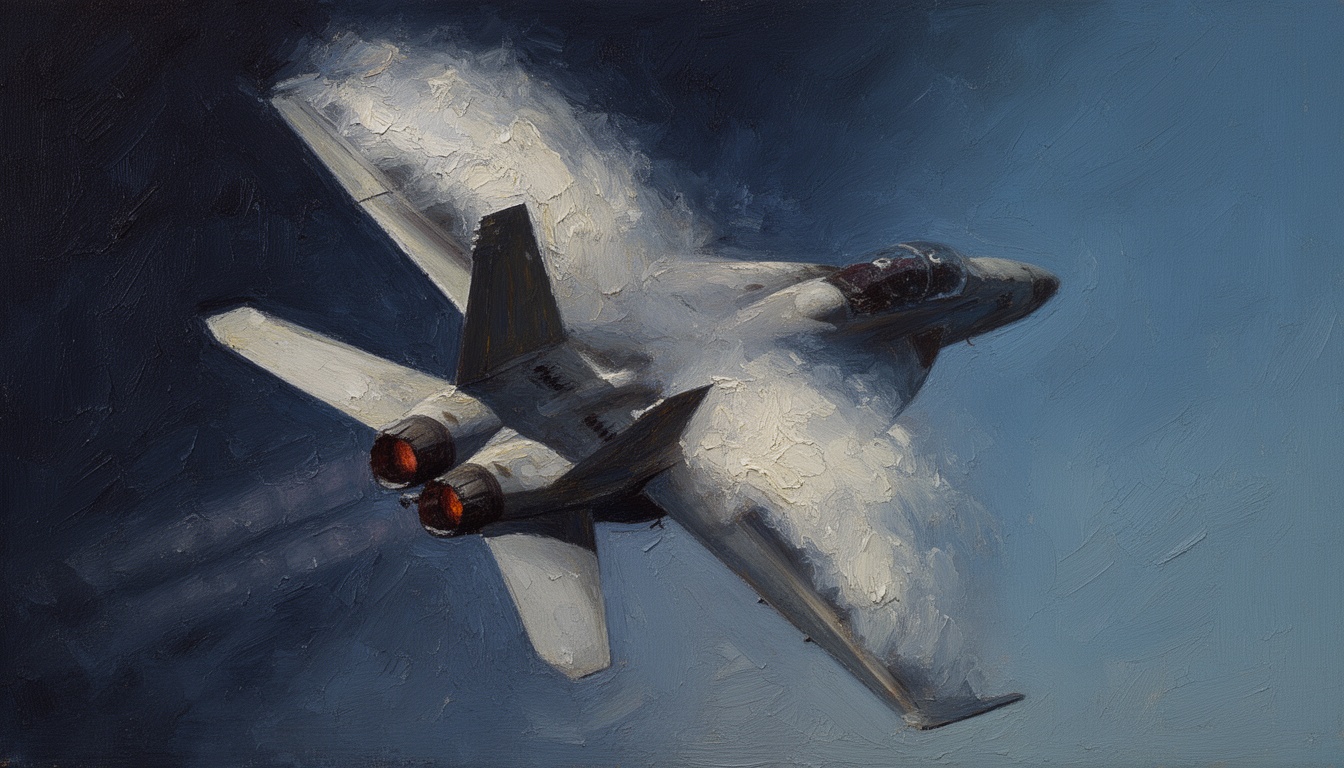
F/A-18 Super Hornet Strikes Iranian Ship's Rudder in Blockade Enforcement
The US Navy deployed an F/A-18 Super Hornet to disable an Iranian vessel attempting to breach a maritime blockade. This direct action underscores ongoing tensions in the region.
An F/A-18 Super Hornet successfully struck the rudder of an Iranian ship that was reportedly attempting to run a maritime blockade. The engagement involved the use of a 20mm cannon, displaying a shift towards direct kinetic action from the Navy to enforce maritime law. This incident highlights the increasing tensions in the Strait of Hormuz, where Iranian vessels frequently threaten international shipping lanes.
Maritime operations in this vital waterway have seen escalations as Iran continues to assert its influence. The repeated attempts by Iranian ships to breach blockades have prompted the US Navy to adopt more aggressive measures. Prior incidents have featured similar tactics, emphasizing the Navy's readiness to use force to prevent further escalation and protect commercial interests in the area.
The strategic significance of this incident cannot be overstated. The Strait of Hormuz is a critical chokepoint for global oil supply, and any disruption can have far-reaching economic consequences. The use of the F/A-18 Super Hornet signals a robust multinational resolve to maintain freedom of navigation in light of increasing Iranian provocations.
The F/A-18 Super Hornet, equipped with advanced avionics and powerful weaponry, operates as a versatile platform within the Navy's fleet. With a speed exceeding 1,190 km/h and a combat radius of over 900 km, it can effectively engage maritime targets while providing air superiority. The shift towards more immediate military responses reflects a changing operational environment as tensions rise in the Gulf region.
Looking ahead, the likelihood of further confrontations remains high as Iran continues to push boundaries. The US Navy's proactive stance may deter future attempts by Iranian forces but also risks escalating confrontations. As nations monitor these developments, the strategic landscape in the Middle East becomes increasingly complex.