Philippine Defense Chief Warns of Grey-Zone Threat from China
The Philippines cautions against vulnerabilities from Chinese academic exchanges connected to security issues. Heightened vigilance is urged to mitigate influence operations.
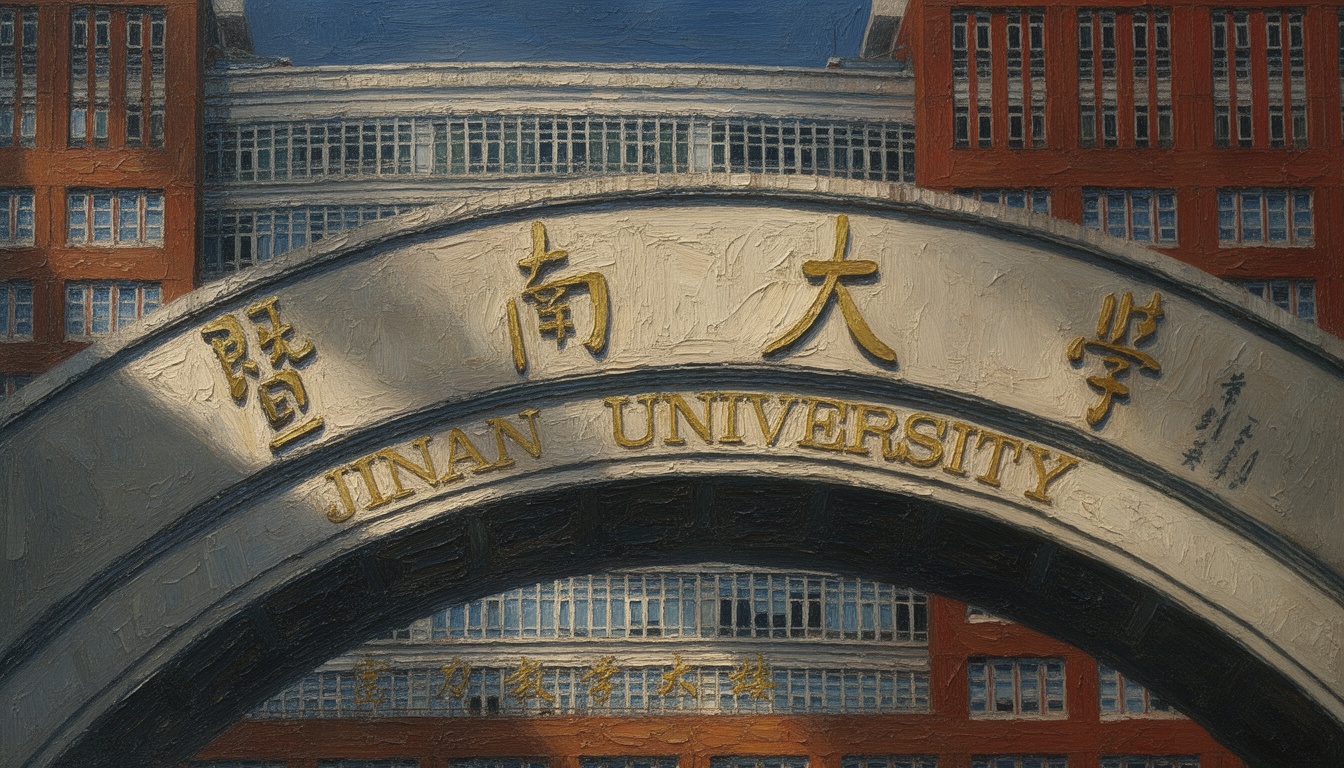
Philippine Defence Secretary Gilberto Teodoro Jr. has raised serious concerns regarding academic exchange programmes with China, emphasizing the potential security risks involved. This warning follows reports indicating that language teachers in Manila received training from a Chinese university implicated in a recent dispute concerning the Batanes Islands. Teodoro articulated these concerns during a speech in Manila on Wednesday, expressing the need for increased scrutiny over foreign-linked educational initiatives.
The backdrop to Teodoro's warning includes rising tensions in the South China Sea and the Philippines amid escalating military and diplomatic confrontations with China. Previous incidents in which Chinese vessels have challenged the Philippines' territorial claims highlight the complexity and sensitivity of relations between the two nations. Concerns regarding state-sponsored disinformation have grown, as academic exchanges might be leveraged by foreign actors to influence public perception.
The strategic significance of this warning lies in the Philippines' need to safeguard its national security interests against external threats. Teodoro's call for vigilance aims to ensure that educational initiatives do not become tools for grey-zone operations by foreign states. The potential for education programs to serve as avenues for influence operations necessitates a heightened awareness among Filipino academics and institutions.
In technical terms, the Philippine government is likely to enhance its oversight protocols for international educational partnerships. This includes assessing affiliations with foreign entities, particularly those based in countries like China, where influence operations have been documented. By prioritizing national security, the Philippines aims to fortify its defenses against non-traditional threats that can destabilize the region.
In conclusion, the implications of these developments may lead to stricter regulations surrounding academic exchanges with China. This could involve partnerships undergoing more rigorous scrutiny, potentially impacting the future of educational collaborations. As geopolitical tensions continue to evolve, the Philippines will need to maintain a proactive stance in protecting its sovereignty and securing its democratic institutions.