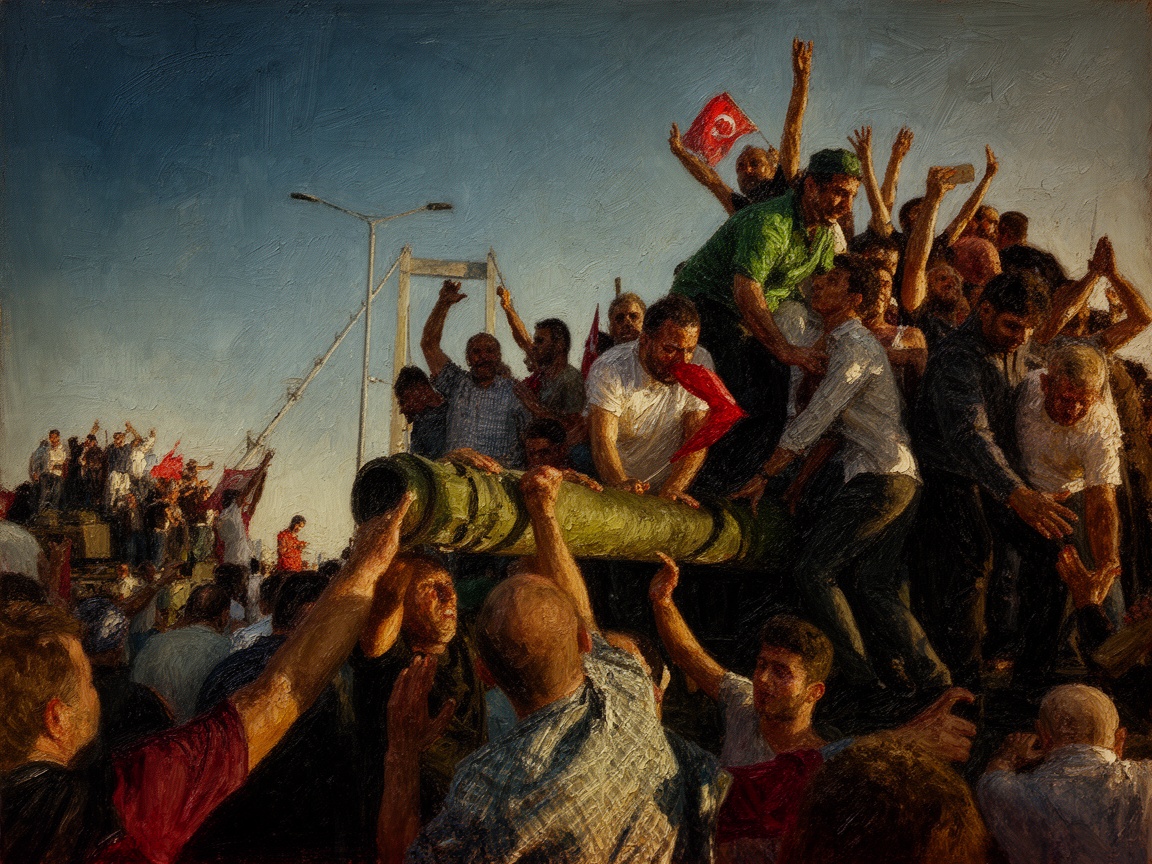
Failed 2016 Coup Reformed Türkiye’s Civil-Military Relations
The 2016 coup attempt spurred significant changes in Türkiye's military oversight. Experts believe this has decreased the likelihood of future coups.
The failed coup attempt in Türkiye in July 2016 has had profound implications for civil-military relations in the country. In the aftermath of the coup, which sought to overthrow the government of President Recep Tayyip Erdoğan, a series of reforms have been enacted to enhance civilian oversight of the military. These changes are viewed as critical in mitigating the risk of future military interventions in politics.
Prior to the coup, the Turkish military had maintained a reputation as a powerful political actor. The coup attempt, however, exposed vulnerabilities within both the military and the government. As a response, the Turkish government has pursued aggressive reforms, including the restructuring of military commands and greater civilian control over military appointments. Experts point out that these measures are aimed at creating a more transparent and accountable military framework, which is essential in a democratic society.
Strategically, the shift in civil-military relations reflects a broader trend of increasing civilian authority over military institutions in Türkiye. This realignment is perceived as an effort to reinforce democracy and reduce the military’s historically entrenched role in Turkish politics. The changes are also significant in a NATO context, as they signal Türkiye's commitment to aligning its military governance with Western democratic standards.
Operationally, the reforms that have taken place include the establishment of civilian defense committees and oversight bodies that are comprised of elected representatives. Additionally, policies have been implemented to regulate military interventions and ensure accountability for abuses. Significant budget reallocations have supported various civilian oversight initiatives, fostering a more civilian-oriented defense policy.
In conclusion, the fallout from the 2016 coup attempt has led to a substantial transformation in Türkiye’s approach to civil-military relations. Moving forward, experts believe that these reforms will help prevent the recurrence of military coups, embedding civilian oversight deeper into the fabric of Turkey’s democracy. This evolution is crucial not only for domestic stability but also for reinforcing Türkiye's diplomatic ties with the West and improving its image in international forums.