Iran Faces Economic Crisis Amid US-Israeli Tensions
Iran's economy suffers significantly as a fragile ceasefire halts military operations. The loss of millions of jobs reveals the severe impact of ongoing tensions on daily life in Tehran.
A fragile ceasefire has momentarily halted military actions in the US-Israeli campaign against Iran. However, the economic repercussions are proving devastating. Recent reports indicate that millions of Iranians have lost their jobs as the nation faces 'Operation Economic Fury', a term used to describe the severe economic measures imposed by external pressures and internal mismanagement.
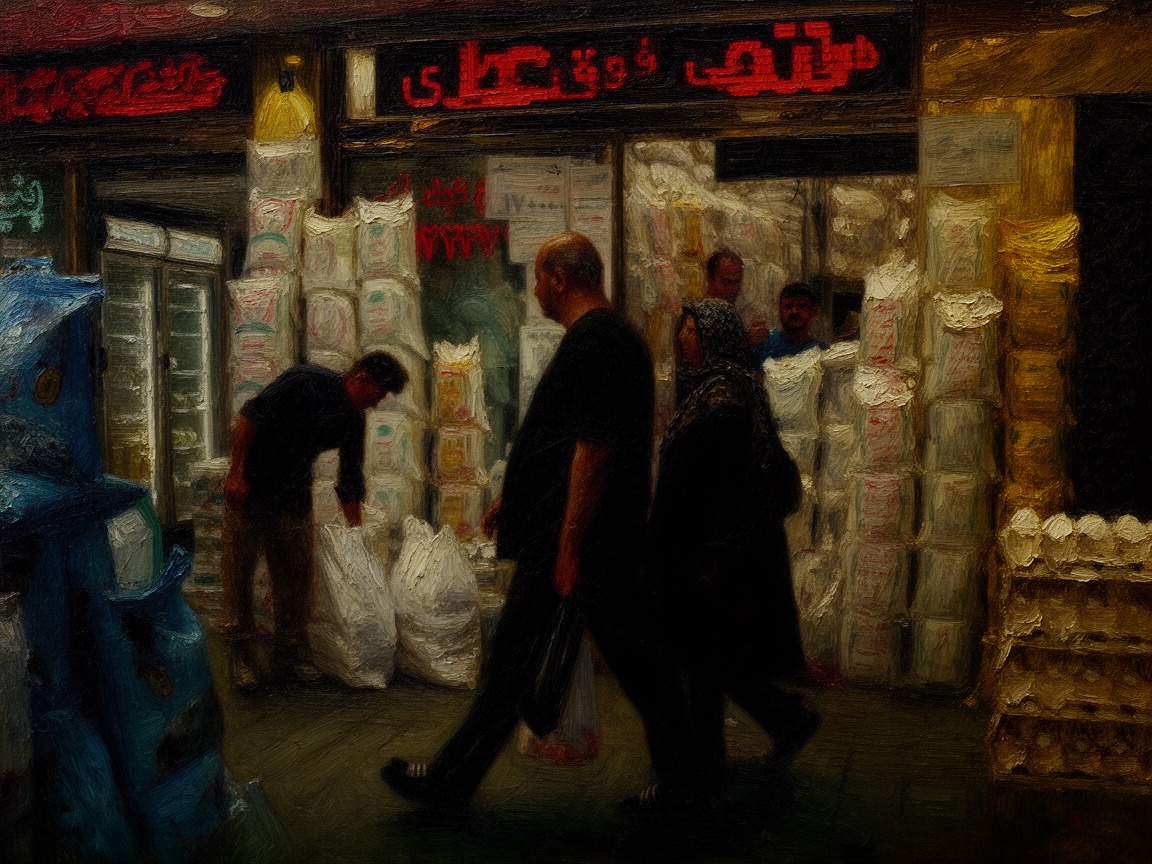
The situation in Tehran has deteriorated into a dire crisis, with inflation skyrocketing and essential goods becoming increasingly scarce. Many families struggle to meet basic needs as unemployment rates soar. As food prices rise, the purchasing power of average citizens dwindles, leading to widespread discontent and protests.
Strategically, the implications are significant. The economic instability may weaken Iran's negotiating position in diplomatic talks, making the prospect of renewed military engagements more likely. This volatility poses risks not only for Iran but also for the broader region, where instability can quickly spill over into neighboring countries.
Details regarding the economic crisis illustrate the severity of the situation. Reports state that over 3 million jobs have vanished in the past year alone, contributing to an unemployment rate that has reached approximately 24%. The impact on consumer confidence is profound, and businesses are closing at unprecedented rates as uncertainty looms.
Looking ahead, the consequences of this economic turmoil may drive Iran to seek assistance from allies or escalate tensions further in response to perceived threats. The fragile ceasefire may not hold if the economic situation continues to deteriorate, with potential ramifications for regional stability and international relations.