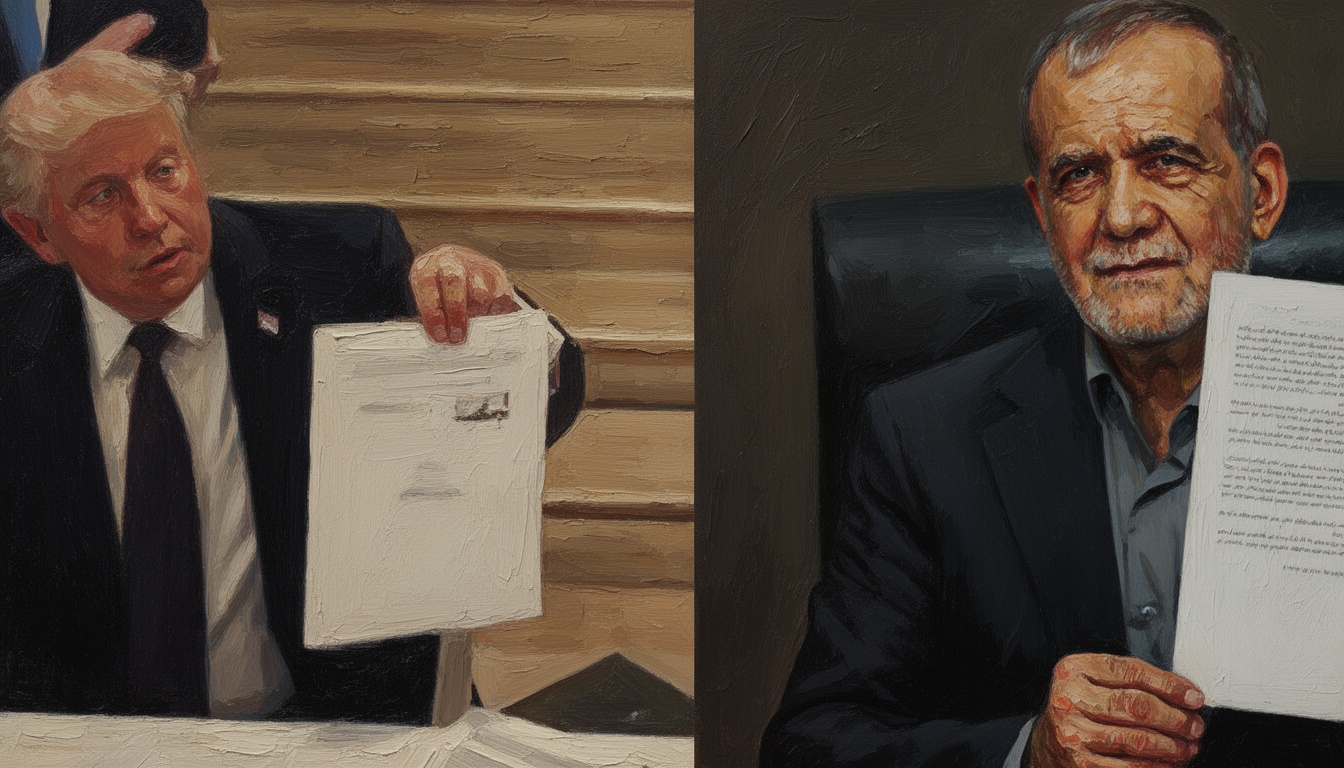
Fighting Continues in Lebanon as US-Iran Talks Postponed
The postponement of US-Iran talks raises questions about future negotiations. Continued combat in Lebanon emphasizes the regional instability and strained US-Iran relations.
The planned talks between the United States and Iran have been postponed, as announced by Switzerland. Iranian Supreme Leader Ali Khamenei expressed skepticism regarding the recent deal after it was signed, illustrating the deepening mistrust between Tehran and Washington. U.S. Vice President JD Vance subsequently canceled his trip to Geneva, further complicating diplomatic efforts.
The backdrop of these diplomatic strains is ongoing fighting in Lebanon, where conflict has escalated between the Israeli Defense Forces and Hezbollah. On the morning of June 19, Lebanese sources reported that 16 individuals were killed in the fighting, emphasizing the high human cost of ongoing hostilities. In particular, Hezbollah engaged Israeli troops, resulting in the deaths of 4 Israeli soldiers, showcasing the lethal nature of the combat.
The strategic significance of the postponement lies in its potential ramifications for US-Iran relations and regional security dynamics. As the U.S. continues to navigate its complex relationship with Iran, the delay may provide Iran with an opportunity to consolidate its positions domestically and regionally. Meanwhile, Lebanon remains a focal point of conflict, which could spill over and affect neighboring countries, particularly in the context of Iranian influence in the region.
On a technical level, the nature of the fighting in Lebanon, with Hezbollah utilizing asymmetric warfare tactics, poses significant challenges for the Israeli military. The conflict involves advanced tactics and targeting that emphasizes the need for Israel to adapt its operational capabilities in response to ongoing threats from Hezbollah.
Looking forward, the consequences of the postponed talks and the continued violence are likely to affect peace efforts in the region. The cycle of violence could intensify as political negotiations stall, leading to a hardening of positions by both countries. Future military engagements may escalate, increasing the volatility of the situation in Lebanon and exacerbating tensions in the broader Middle East.