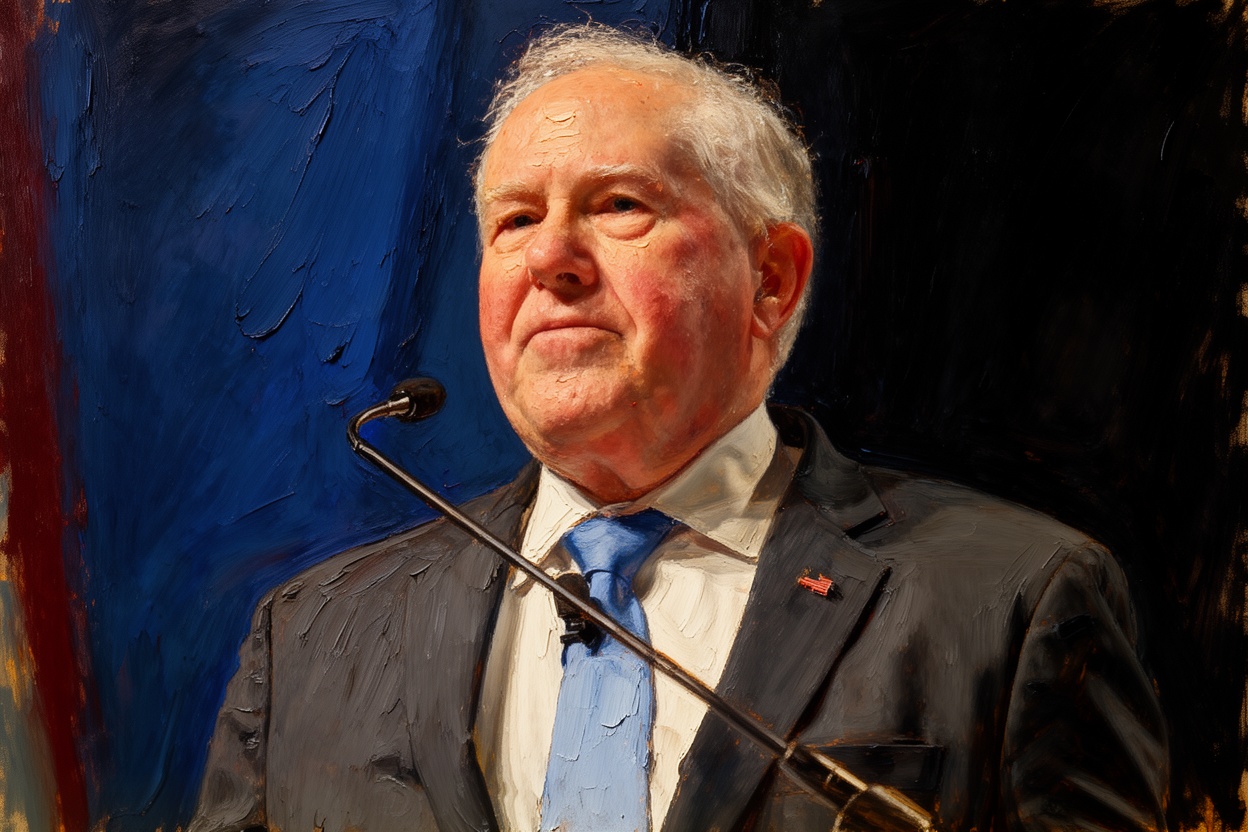
Former Air Force Secretary Advocates for AI Over Human Operators
A significant shift in military operations is suggested by a former Air Force secretary, emphasizing the use of AI in decision-making. This development raises questions about the future role of human operators in armed forces.
In a bold statement this week, a former Air Force secretary proclaimed, "Let the AI do it," advocating for the use of artificial intelligence over human operators in military decision-making. This assertion marks a potential pivot toward increasing reliance on technology in the defense sector, suggesting that machines could outperform humans in certain operational contexts.
As military operations become increasingly complex, the integration of AI could streamline processes and enhance efficiency. This sentiment reflects broader trends in global defense strategies, where technology and automation are increasingly prioritized. It raises essential discussions regarding the balance between human judgment and machine efficiency on the battlefield.
The strategic significance of this shift cannot be overlooked. As major military powers invest heavily in AI capabilities, the potential transformation of command structures and operational protocols could redefine contemporary warfare. Countries such as the United States, China, and Russia are already exploring AI applications in various military functions, from logistics to combat scenarios.
Operationally, the capabilities of AI systems are advancing rapidly. Enhanced algorithmic functions can analyze vast amounts of data in real-time, offering insights and recommendations that surpass human cognitive abilities. For instance, recent developments in AI-driven drones demonstrate their ability to adapt and respond to dynamic battlefield conditions more effectively than traditional operators.
The likely consequences of prioritizing AI over human operators are profound. This shift raises ethical questions regarding accountability and decision-making in armed conflict. As military reliance on AI grows, the role of human soldiers may shift dramatically, prompting discussions about the future of warfare and the implications for international security.