France's Role in 1994 Rwanda Genocide: A Historic Acknowledgment
France's recognition of its involvement in the Rwandan Genocide represents a significant historical turning point. This acknowledgment is part of the ongoing process of confronting its past actions during one of the 20th century's most horrific events.
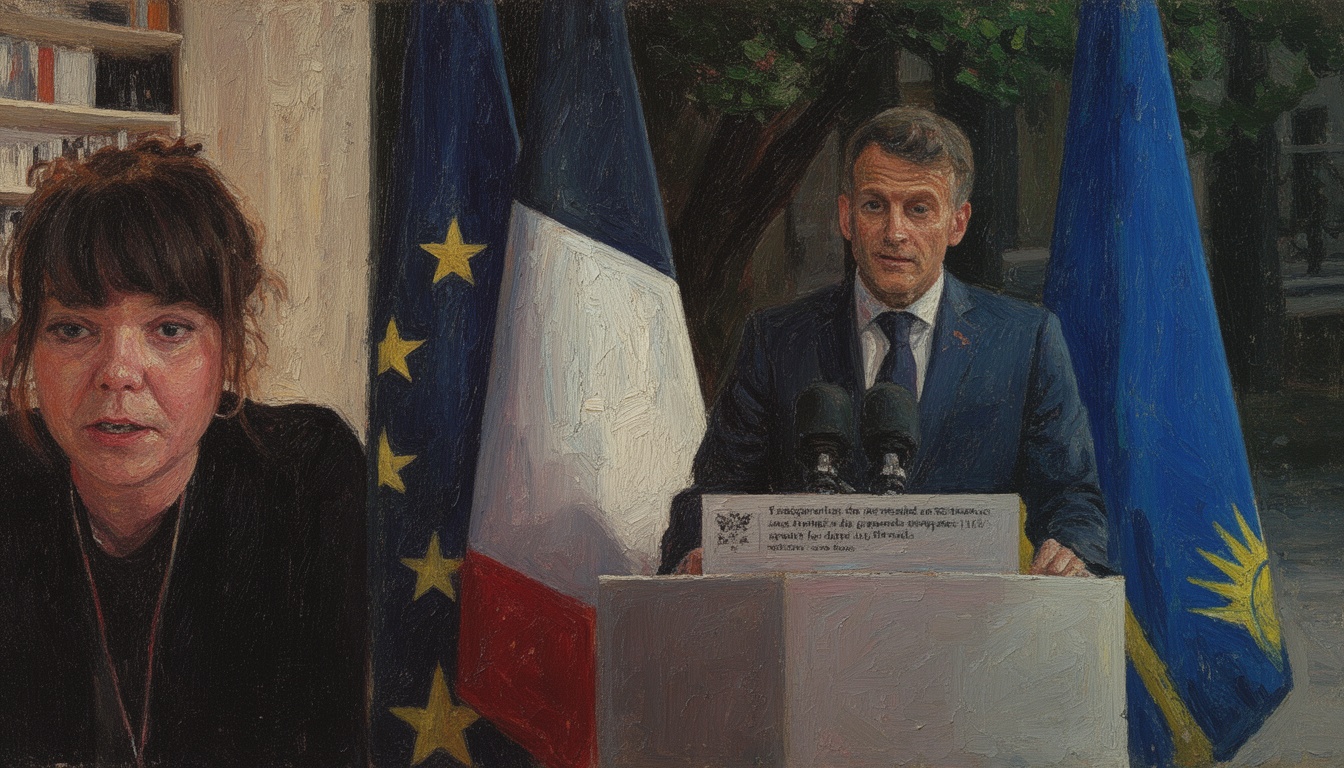
In a move marking a significant shift in historical accountability, France has started to acknowledge its role in the 1994 Rwandan Genocide against the Tutsi. This development was underscored during the inauguration of a memorial in Paris attended by President Emmanuel Macron. This event signifies a step in a long and contentious journey towards understanding France's political, military, and diplomatic actions during a devastating period.
Historian Juliette Bour, whose forthcoming book discusses women's complicity in the genocide, emphasizes the importance of examining such historical events. She noted that the publication of the Duclert Commission report and the opening of French archives have shifted the narrative, establishing a clearer truth about France's actions. However, she critiques the current recognition as incomplete, with lingering denial among political actors involved in the decisions of 1994.
This recognition comes as Bour presents evidence indicating that French officials were warned about escalating violence prior to the genocide. She reflects on the contrast between France’s hesitant acknowledgment and Belgium’s earlier public apology in the 2000s, suggesting that Belgium's willingness to confront its past highlights a gap in French accountability.
The conversation also touches upon the controversial figure of Agathe Habyarimana, the widow of former Rwandan president Juvénal Habyarimana, who has been living in France for many years. Bour argues this case epitomizes the broader failures in accountability and the prolonged inaction regarding prosecution of genocide suspects in France, which reflects a troubling aspect of French policy.
Overall, the ongoing debates surrounding France's historical role in Rwanda are crucial for understanding the implications of colonial legacies and international responsibilities in genocidal events. This evolving narrative could shape future policies and collective memory regarding France's actions during the genocide.