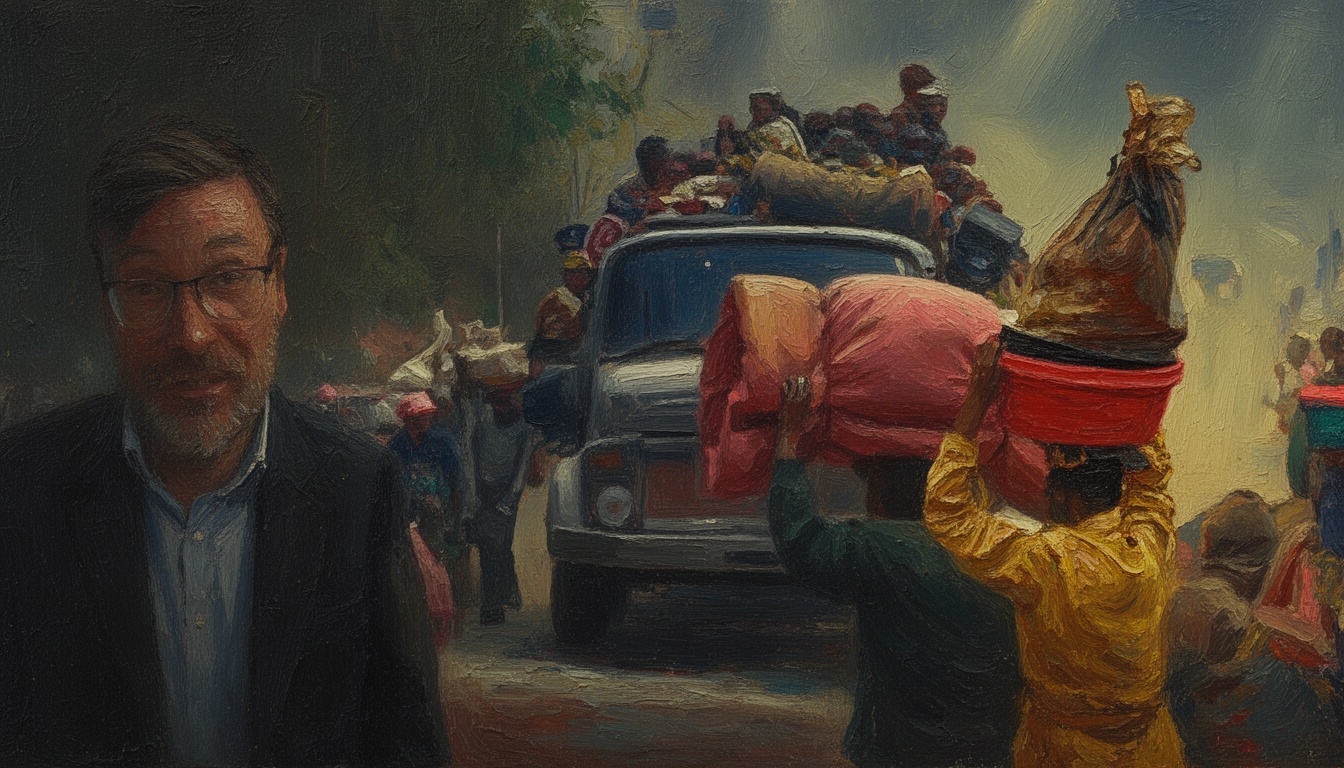
French Government's Role in 1994 Genocide Questioned Again
France's historical involvement in the 1994 Tutsi Genocide remains contested. Questions linger over the reconciliation efforts between France and Rwanda.
As French President Emmanuel Macron and Rwandan President Paul Kagame inaugurated a new memorial in Paris on October 7, dedicated to those who perished in the 1994 Genocide against the Tutsi, discussions about France's involvement in the atrocities resurfaced. Phil Clark, a professor of International Politics at SOAS University, emphasized that the French government has not fully come to terms with its role in the genocide, a sentiment highlighted amidst the memorial's significant symbolism.
This memorial event, deemed significant by various observers, simultaneously exposes the unresolved tensions that define Franco-Rwandan relations. While the gesture of remembrance seeks to address historical grievances, doubts linger regarding the extent of France's accountability and the implications for reconciliation with Rwanda. Specifically, Clark argued that survivors still feel that key truths about the genocide and France’s involvement have not been adequately recognized or addressed by the French government.
Strategically, the relationship between France and Rwanda appears to be undergoing a transition, leaning towards a partnership fueled by political pragmatism. However, the mutual benefits sought by both nations must navigate the complicated legacy of past actions, particularly France's alleged complicity in the genocide.
On the technical side, the new memorial serves not just as a site of commemoration but also as a focal point for ongoing dialogue about historical accountability. This event signifies more than remembrance; it showcases the continuing complexities of international relations where history weighs heavily on current diplomatic initiatives.
In conclusion, the inauguration of this memorial is a dual-edged sword. While it stands as a testament to the victims, it also reiterates the need for genuine reconciliation efforts. The path forward for both nations will depend on confronting these historical truths openly and fostering a meaningful dialogue that resonates with the survivors of the genocide.