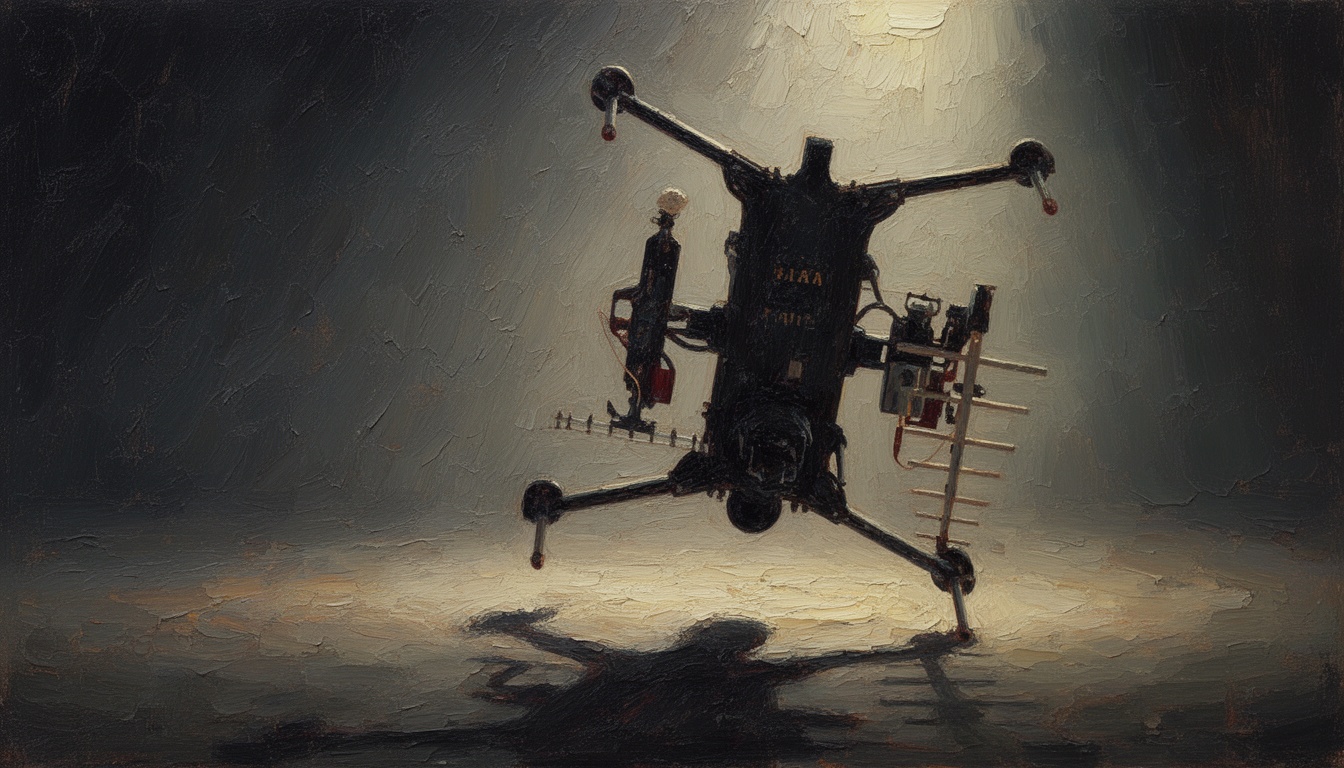
Fully Autonomous Drones Used for Deadly Effect in Ukraine
The emergence of fully autonomous drones marks a critical evolution in modern warfare. Their use in Ukraine signifies a precedent in military capabilities that could reshape future combat operations.
Fully autonomous drones have reportedly been used on the battlefield in Ukraine, marking a significant advancement in warfare technology. This development raises critical questions about the future of military engagements and the ethical implications of using AI-powered weapons. The integration of artificial intelligence into unmanned aerial vehicles (UAVs) allows for operations without direct human oversight, which could change the dynamics of combat significantly.
Historically, drone warfare has relied heavily on human operators for real-time decision-making and control. While drones have provided tactical advantages, the majority still depend on human input for their operations. However, the report indicates that new advancements now enable drones to operate independently, potentially increasing both their effectiveness and the speed at which military operations can be conducted.
The strategic significance of this technology cannot be overstated; fully autonomous drones may redefine the balance of power in warfare, allowing for precision strikes without the risk to human pilots. Military experts suggest that countries investing in this technology could gain a considerable advantage over adversaries still reliant on manned missions.
Details regarding these autonomous systems, including specific models or capabilities, were not disclosed in the report. Nonetheless, the implication that these drones could engage targets without human intervention poses serious ethical dilemmas, including accountability in conflict and the potential for escalation.
The likely consequences of deploying fully autonomous drones in combat are profound. As this technology becomes more common, it could lead to rapid developments in military doctrine and tactics focused on leveraging AI capabilities. Future conflicts may increasingly involve robotic systems capable of making life-and-death decisions in real-time, further complicating the landscape of international security.