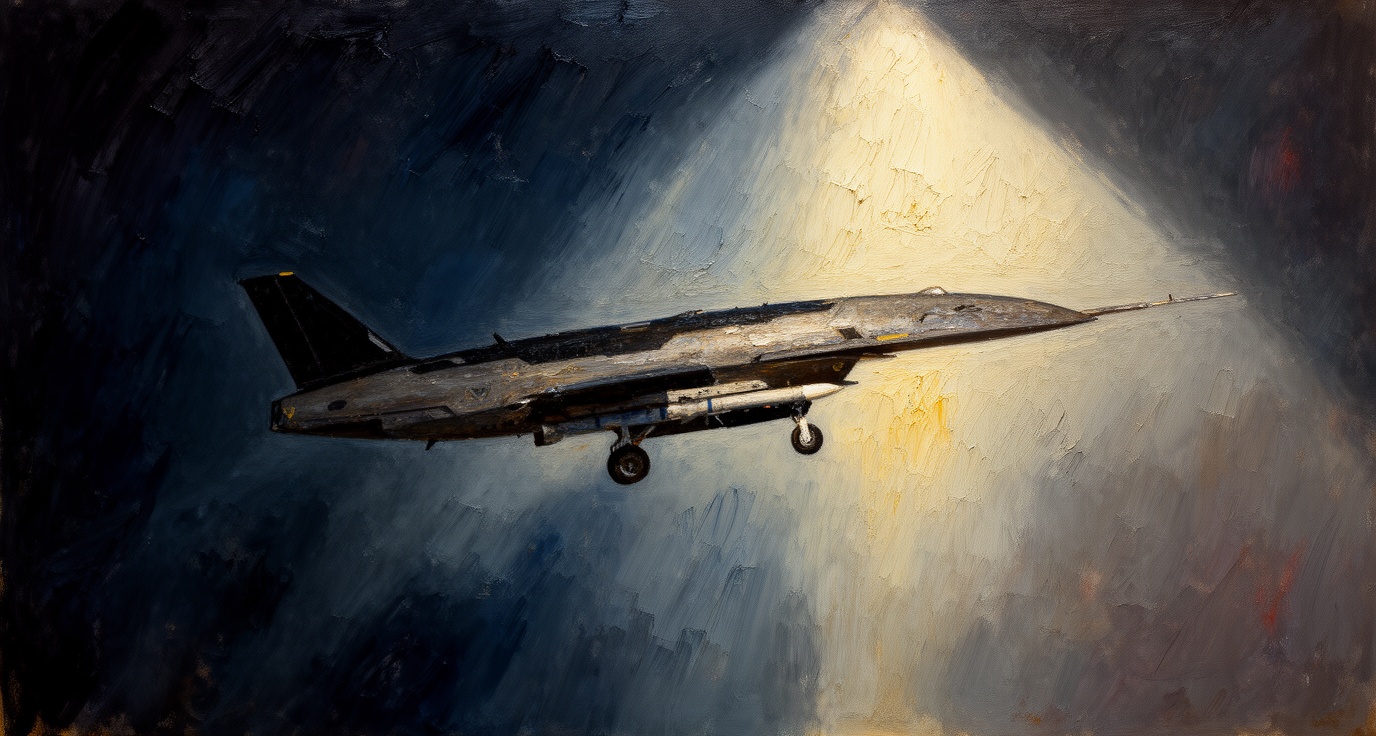
Future Autonomous CCA Wingmen Will Challenge Current Assumptions
The development of Collaborative Combat Aircraft (CCA) raises serious questions for the defense industry. As services test these systems, clarity on their future role remains elusive.
The evolution of Collaborative Combat Aircraft (CCA) raises significant implications for military aviation by 2030. Estimates indicate that the next-generation CCA wingmen may starkly contrast with current expectations, challenging engineers and strategists alike. As experimental teaming of these advanced systems is underway, the defense sector is grappling with the limitations and potential of this technology.
Historically, the role of wingmen has revolved around supporting manned platforms, enhancing survivability, and improving mission success rates. However, as governments and defense industries explore the nuances of autonomous operation, traditional assumptions surrounding aerial combat dynamics may need reevaluation. The essential question becomes what functionality these CCAs will possess and how they will integrate with existing operational frameworks.
The strategic significance of CCA technology cannot be overstated. Nations investing in these autonomous systems may gain a decisive edge in the evolving battlefield landscape, marked by increased focus on unmanned capabilities. This urgency signals the importance of investments in research and development necessary for realizing the full potential of CCA platforms, as they could redefine air combat engagement and operational effectiveness.
From a technical standpoint, the vision for CCA development suggests radical shifts in design and operational capacities. Concepts under exploration may involve sophisticated artificial intelligence algorithms enabling autonomous decision-making, advanced sensor integration, and next-generation communication systems that enhance interconnectivity among aerial assets. As budgets for these programs expand, the defense industry faces pressing challenges, including addressing interoperability with existing manned platforms and ensuring reliability under combat conditions.
The implications of these developments extend beyond technological innovation; they suggest fundamental changes in military doctrine and combat strategy. As the defense sector continues to navigate these complexities, the path forward will likely require adaptability in tactics and a closer alignment between military leadership and industry capabilities. If successfully integrated, CCAs could emerge as pivotal components of future air force operations, reshaping the landscape of aerial warfare well into the next decade.