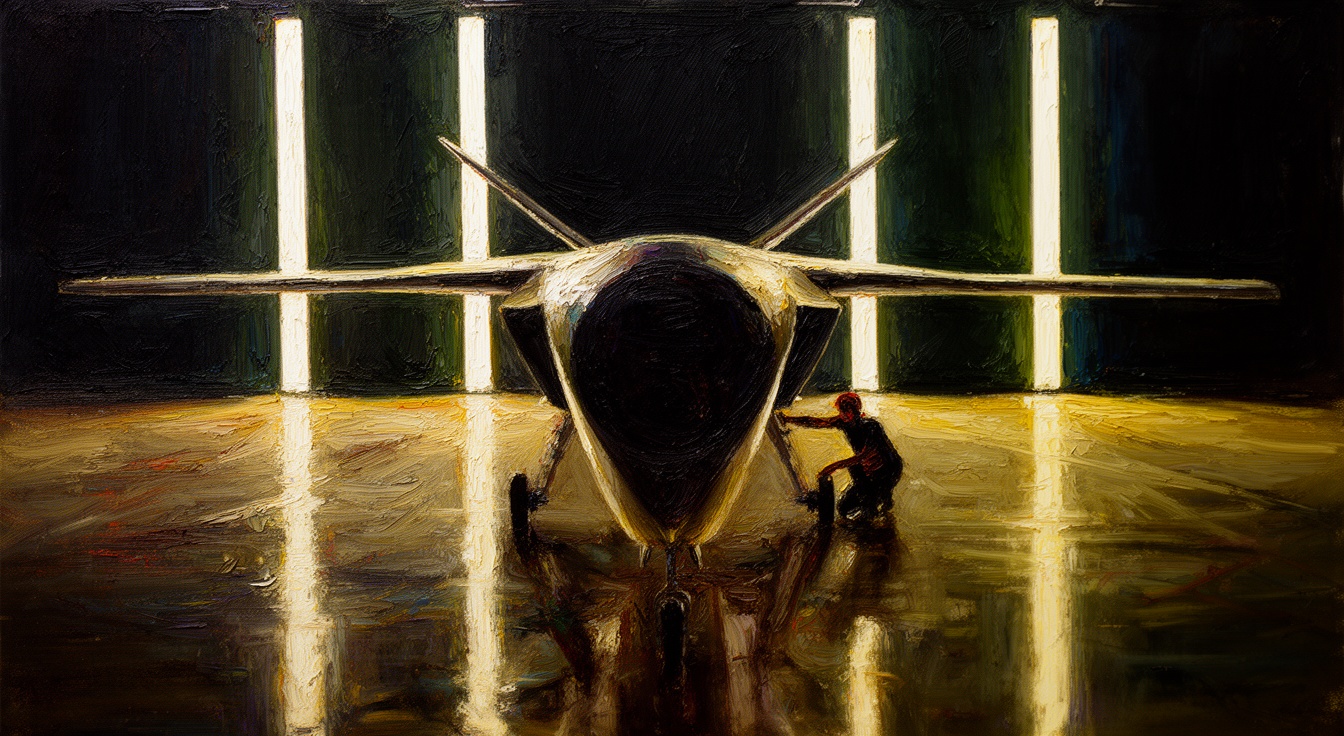
Future of Drone Wingmen: Global Perspectives
The evolution of manned-unmanned teaming is reshaping modern military strategies. This shift impacts how major powers and allies prepare for future conflicts.
The concept of drone wingmen is rapidly transforming military operations as nations adapt to technological advancements. This evolution reflects an increasing integration of unmanned systems alongside piloted aircraft, providing both tactical advantages and strategic flexibility.
Historically, the idea of manned-unmanned teaming began gaining traction within the US defense industry as early as the 2000s. As drone technology advanced, countries such as the United Kingdom, Israel, and China also began to explore similar concepts in their military doctrines. Collaborations and partnerships among these nations are shaping a new era of aerial warfare.
Strategically, the push for drone wingmen is indicative of a broader trend wherein military powers aim to enhance operational effectiveness while minimizing risks to human life. The integration of sophisticated unmanned systems can enhance reconnaissance, targeting, and precision strike capabilities, presenting a significant shift in how air superiority is achieved.
Technologically, countries are investing in advanced drone models designed to complement manned aircraft. For example, the US military is focusing on the MQ-9 Reaper and new prototypes that work cohesively with manned fighters, such as the F-35 Lightning II. Investments in AI and autonomy further highlight the direction in which warfare is heading, with expectations for enhanced capabilities within the next decade.
As this trend continues, the implications for global security are profound. Nations that rapidly adopt and develop manned-unmanned strategies are likely to gain significant advantages on the battlefield. This shift will also shape alliances and rivalries, as countries vie for dominance in advanced military technology.