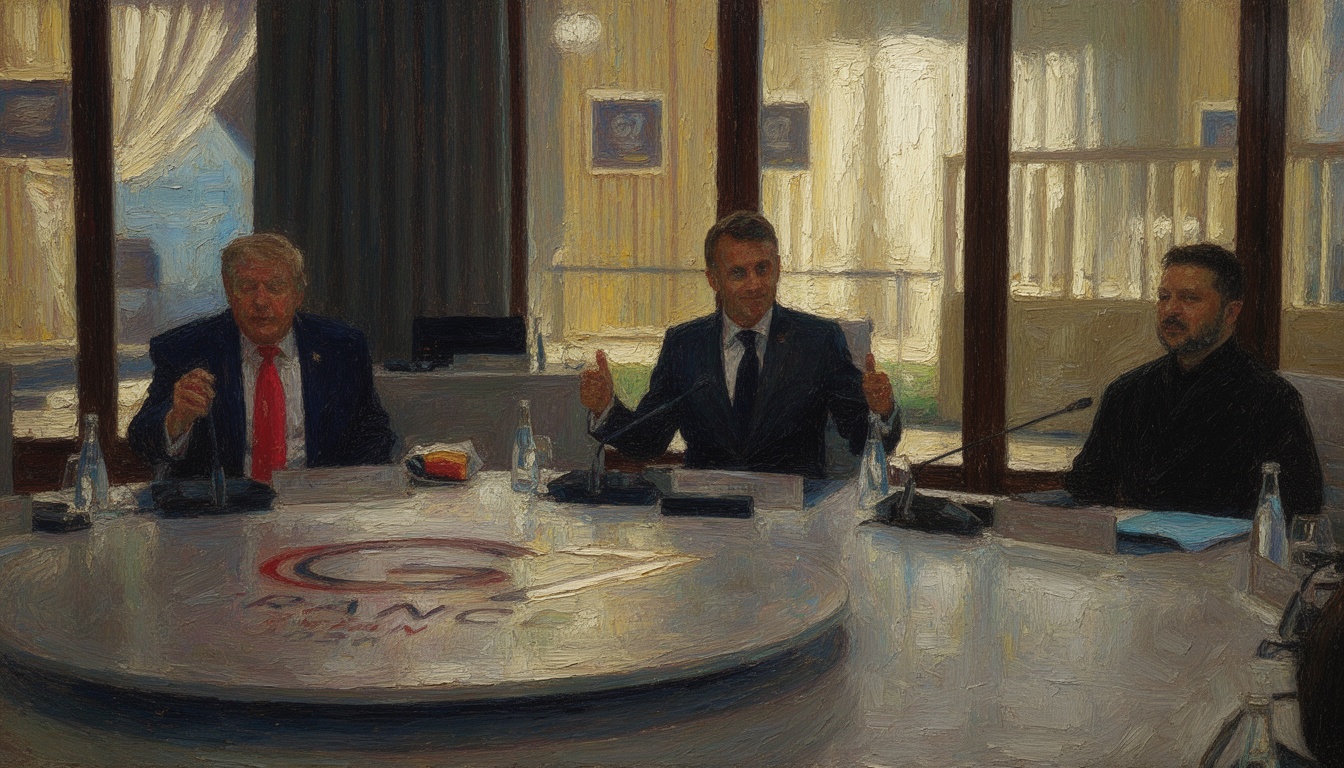
G7 Leaders Push for Sanctions on Russia Over Ukraine Conflict
G7 leaders are united in their call to intensify sanctions against Russia due to its ongoing military aggression in Ukraine. President Donald Trump implied that further pressure could lead to a resolution of the conflict.
On June 16, the leaders of the G7 nations agreed to escalate pressure on Russia amid its prolonged aggression against Ukraine, which has lasted more than four years. US President Donald Trump stated that Moscow must "make a deal," suggesting that Washington may consider reinstating previously lifted sanctions as a tool to facilitate negotiations.
The backdrop of this summit was set against continued hostilities in Ukraine, where Ukrainian President Volodymyr Zelensky participated, seeking greater support from Western allies. The summit, held at the French resort of Evian, brought together leaders focused on addressing Russia's actions and the impacts on global security dynamics.
Strategically, the G7's unified front towards Russia represents a significant shift, signaling a commitment to counter Moscow's incursions and ensure support for Ukraine. The implication of potential sanctions indicates a willingness to leverage economic measures to compel a change in Russia's foreign policy actions.
Operationally, reinstating sanctions would reinforce existing measures and impose further restrictions on Russia's economy. In 2022, sanctions had already targeted key sectors, but the possibility of new measures could escalate tensions between Russia and the West, especially with the ongoing conflict in Ukraine demanding urgent international response.
Looking ahead, this renewed focus on sanctions could lead to heightened tensions in the region. The G7's commitment may further alienate Russia, complicating diplomatic efforts. As the Trump administration appears willing to re-engage in sanctions policy, the geopolitical landscape in Europe remains precarious, with lasting implications for NATO and EU member states involved in supporting Ukraine.