G7 Leaders to Discuss Hormuz Strait Reopening and Iran Agreement
G7 leaders will address the reopening of the Strait of Hormuz and implications of an upcoming US-Iran memorandum. This development will impact regional stability and security.
French President Emmanuel Macron announced that G7 leaders will convene in Evian on Monday to discuss critical issues including the long-term reopening of the Strait of Hormuz. This meeting precedes the signing of a US-Iranian memorandum of understanding scheduled for Friday in Geneva.
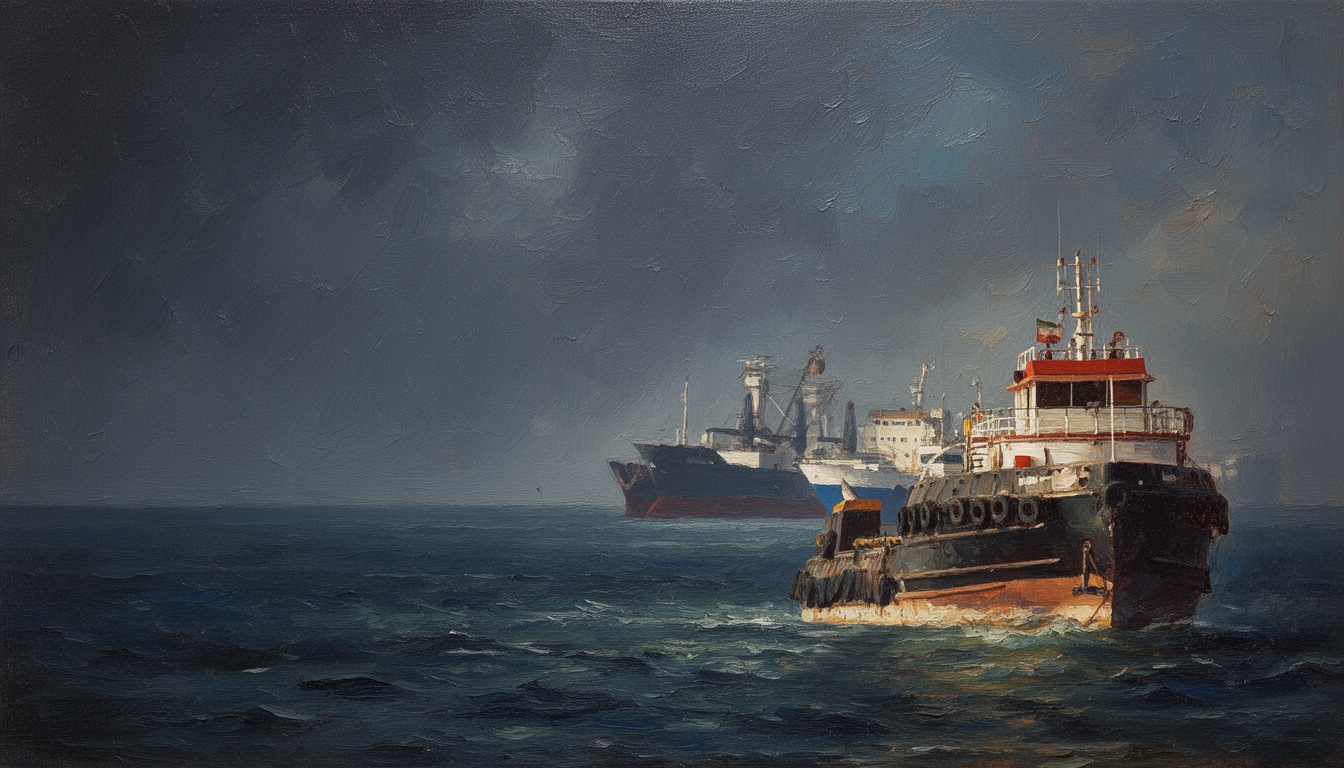
The Strait of Hormuz is a strategic waterway that connects the Persian Gulf to the Arabian Sea, through which a significant percentage of the world's oil supply passes. The reopening of this strait is pivotal for global energy markets and regional security. Tensions in this area have escalated due to various military and political disputes involving Iran.
The strategic implications of this upcoming memorandum are substantial as it pertains not only to Iran's nuclear ambitions but also its ballistic missile programs. The G7 discussions aim to coordinate international support, particularly focusing on Lebanon, where ongoing instability poses a risk to regional peace.
Specific outcomes from the G7 meeting could lead to enhanced diplomatic efforts or military initiatives to ensure navigation security in the Strait of Hormuz. The collective stance of G7 member states—Canada, France, Germany, Italy, Japan, the UK, and the US—will be pivotal in shaping the approach towards Iran and its military capabilities.
Should a consensus be reached, it could mark a significant shift in the geopolitical landscape, potentially leading to more robust enforcement mechanisms against violations of maritime rights in the strait, thereby impacting the balance of power in the region.