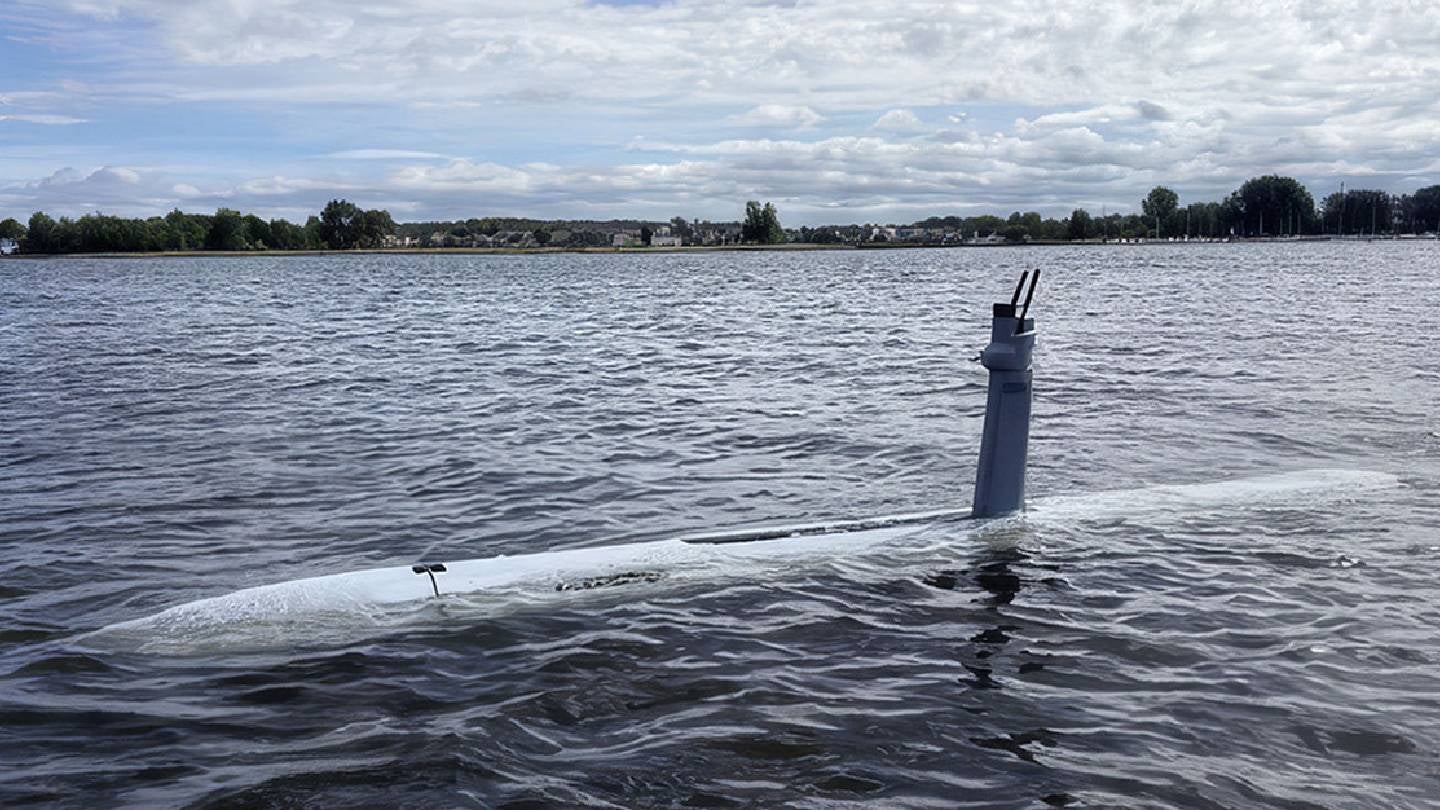
GABLER, FLANQ Complete SAT for USV Torpedo Tube Drones
German companies GABLER and FLANQ have successfully tested unmanned surface vessels. Their new system enhances naval capabilities.
GABLER, a German provider of submarine systems, and FLANQ, a defense technology firm, have completed the Sea Acceptance Test (SAT) for their Torpedo-Tube-Launched Uncrewed Surface Vessel (TTL USV) capability demonstrator named Ranger. This marks a significant milestone in the development of advanced naval systems that can be deployed from submarines.
The Ranger project demonstrates the ability to launch unmanned surface vessels from torpedo tubes, addressing new tactical necessities in naval warfare. The completion of SAT proves the operational readiness of this innovative platform, which expands the roles submarines can play in maritime engagements.
This development is strategically significant for modern naval forces, as it allows for the extension of maritime domain awareness and provides enhanced versatility in operational environments. The introduction of TTL USVs will enable operators to conduct missions for reconnaissance, surveillance, and even combat, while significantly reducing risk to crewed vessels.
The Ranger system showcases cutting-edge technological advancements in marine platforms. Its design and function allow for stealthy operations, with the potential to be outfitted with various payloads depending on mission requirements. Budget allocations for this program have not been disclosed but are anticipated to be significant given its potential impact on future naval operations.
In conclusion, the successful completion of the Sea Acceptance Test for the Ranger system could lead to broader adoption of unmanned surface vessels in global naval strategies. GABLER and FLANQ are positioned to play a pivotal role in shaping the future of submarine-launched unmanned systems, reflecting an increasing trend towards automation in military applications.