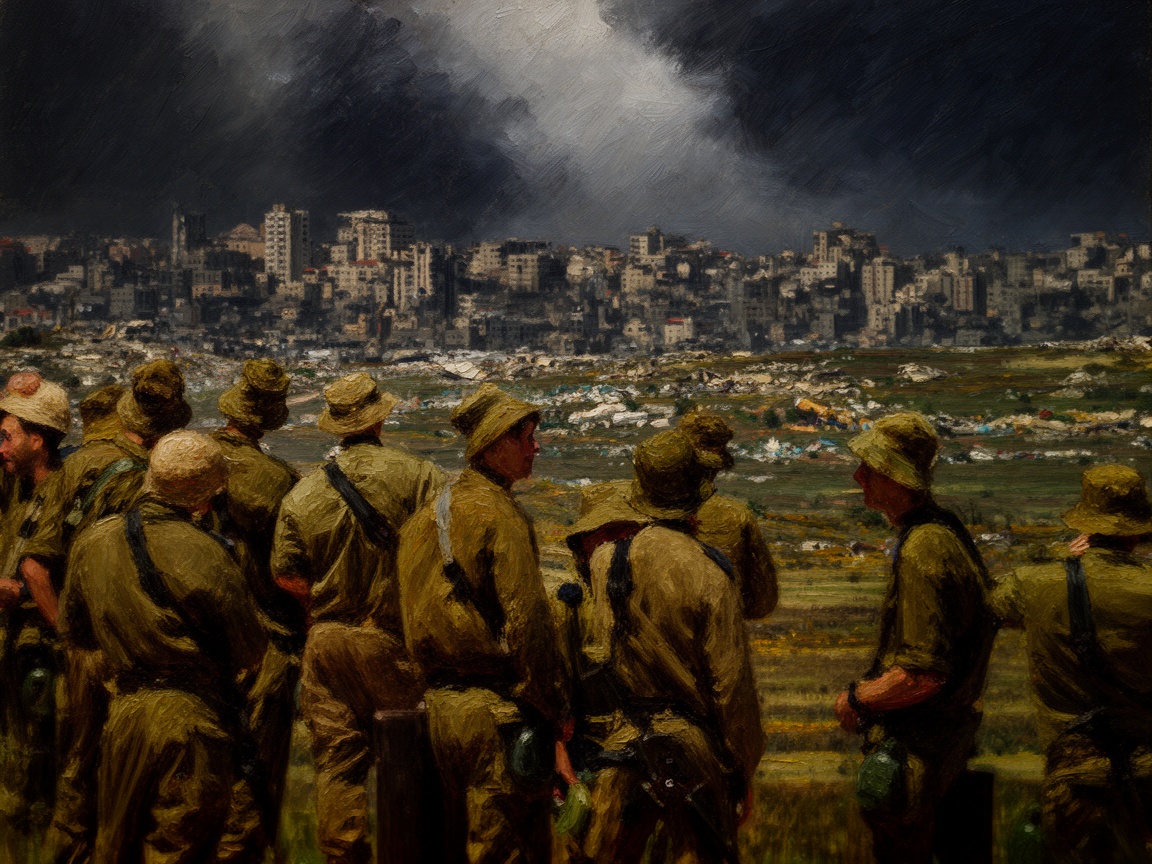
Gaza Faces Coercive Offers, Not Reconstruction
International efforts in Gaza risk transforming humanitarian aid into political leverage. The implications of such actions could exacerbate the region's instability and hinder genuine reconstruction efforts.
The recent proposals regarding Gaza's rebuilding efforts have raised significant concerns about the nature of international involvement. Rather than focusing on humanitarian assistance, the plans appear to be weaponizing aid as a means of political control. Such actions could undermine trust and further complicate the already dire situation in the region.
Background context shows that previous attempts to aid Gaza have often been entangled in political agendas, with various actors using assistance as leverage. The current plan, purportedly led by Nikolaj Mladenov, is critiqued for its potential to prioritize political interests over the urgent needs of the Gaza populace. This shift could alter the framework of humanitarian efforts, moving them away from essential aid and toward methods of coercion.
The strategic significance of these developments cannot be understated. By turning reconstruction into a tool for political leverage, external influences may exacerbate pre-existing tensions within Gaza and its interactions with Israel and other regional actors. This tactic could hinder progress towards sustainable peace as local communities face the dual pressures of humanitarian needs and geopolitical maneuvering.
Operational details reveal that the proposals do not adequately address the infrastructure destruction caused by years of conflict. Essential services such as water, electricity, and medical care remain critical issues. The lack of genuine investment in rebuilding efforts jeopardizes any hope for a stable recovery and forces the population into deeper reliance on external control.
Looking forward, the consequences of this approach may lead to greater instability, as residents face coercive conditions under the guise of aid. If the international community continues on this path, the prospect of true reconstruction in Gaza will slip further away, leaving the region trapped in cycles of dependency and conflict.