Gaza Faces Uncertain Future After 1,000 Days of Conflict
The situation for over 2 million Palestinians remains critical as conflict continues. Fragile ceasefires indicate ongoing tensions in Gaza and the broader region.
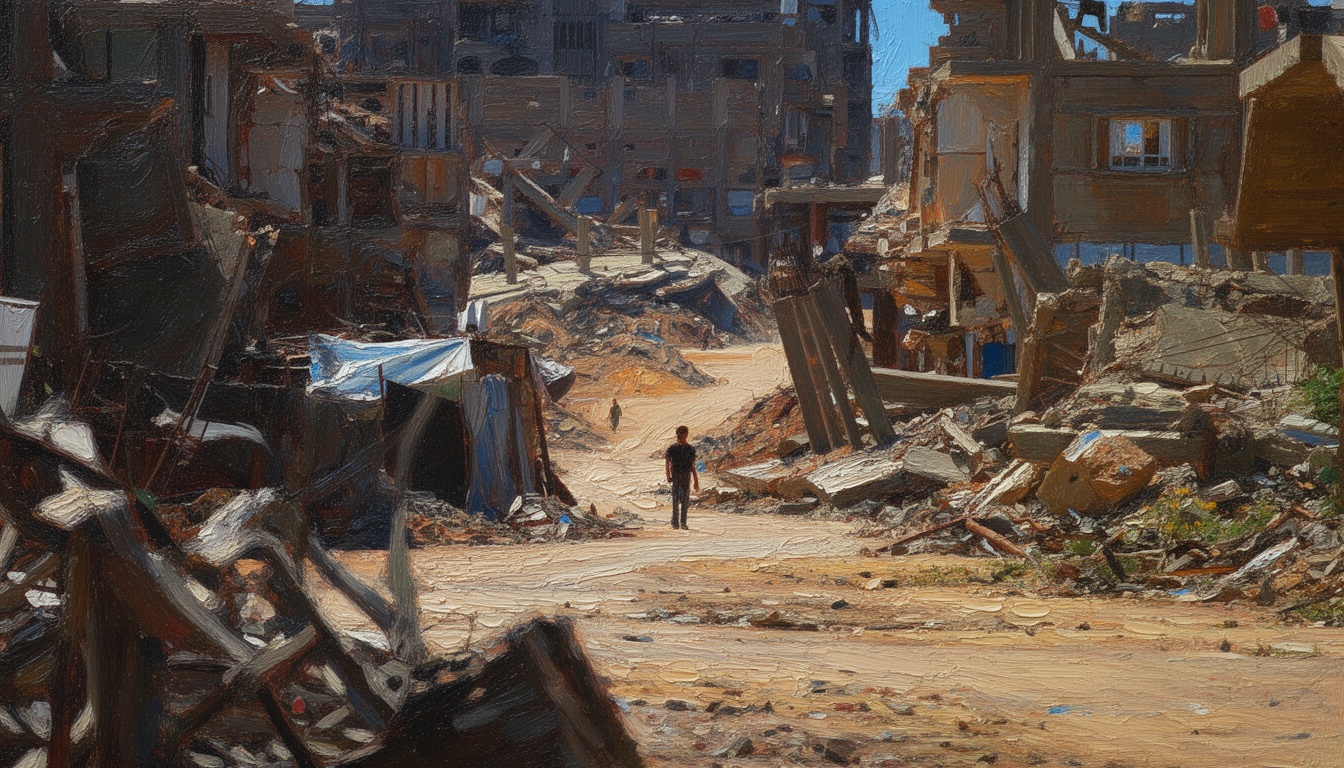
The Gaza Strip marks 1,000 days of brutal conflict, which was ignited by a Hamas-led assault on Israel in October 2021. Since then, violence has persisted, with thousands of casualties on both sides. The humanitarian crisis has deepened, leaving much of the territory in ruins and its inhabitants in dire conditions.
Since the outbreak of this conflict, various actors have influenced the situation in Gaza, resulting in multiple ceasefires that are fragile at best. These temporary agreements often shatter, and renewed hostilities break out, as evidenced by recent clashes. Both Israeli and Palestinian populations are showing signs of fatigue from the protracted violence and instability.
The strategic implications in the region are significant, with the conflict affecting not just Gaza but also neighboring states. The ongoing unrest complicates diplomatic relations and adversarial ties within a geopolitically sensitive region. The state of affairs leaves neighboring countries on high alert as they navigate their positions amid the chaos.
On October 10, a ceasefire was established, and during this period, Israeli forces reportedly gained control of over half of the Gaza Strip. This has led to further complications for the residents, as military operations continue to alter the landscape drastically. The operational capabilities of both sides have evolved, maintaining a precarious status quo.
The consequences of this extended conflict remain profound. With over 2 million Palestinians largely displaced and living under dire circumstances, the long-term outlook for peace and stability in Gaza appears bleak. Without a sustainable resolution, the cycle of violence is likely to continue, keeping tensions high in the region.