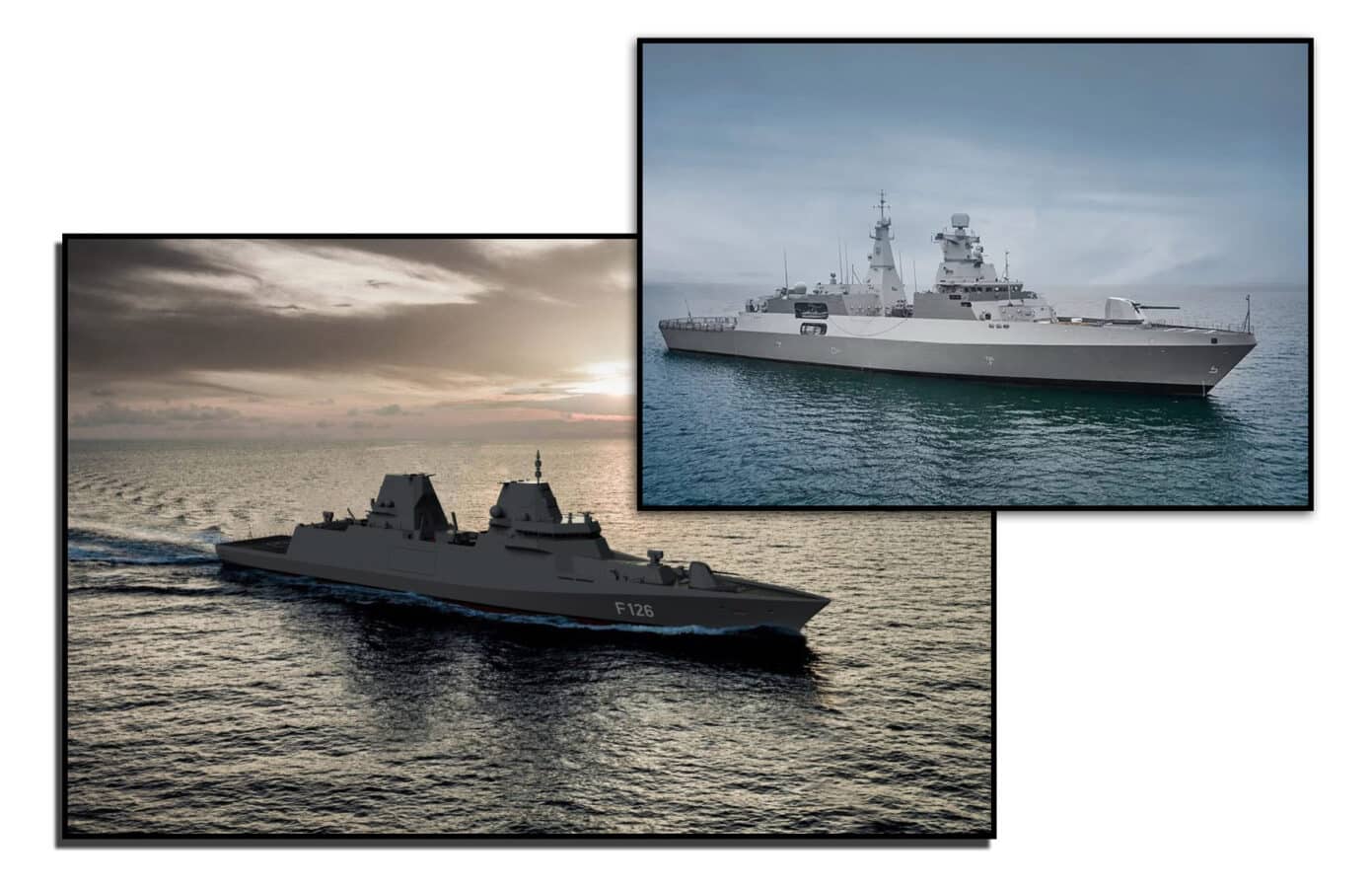
Germany Cancels F126 Frigate Project, Procures Eight MEKO Frigates
Germany's defense ministry halts F126 frigate development, citing delays and budget issues. The new procurement focuses on adding MEKO-class vessels to the fleet.
The German Federal Ministry of Defense has officially canceled the construction of six F126-class frigates. This decision was announced in a recent statement, revealing significant delays in the project timeline. Furthermore, the ministry indicated that the substantial increases in cost and risks related to changing the general contractor led to this outcome.
The F126 project aimed to enhance Germany's naval capabilities but faced mounting challenges that proved insurmountable. Originally intended for operations by 2026, the delay had raised concerns within military planning sectors across Europe. This decision underscores the ongoing struggles faced by many nations in balancing advanced military procurement with fiscal responsibilities.
In response to these issues, Germany has pivoted towards procuring eight MEKO-class frigates instead. The MEKO-class vessels are known for their modular design, which allows for a greater degree of customization and adaptation to operational needs. This shift will not only maintain but potentially enhance the operational capabilities of the German Navy despite the setbacks with the F126 project.
The new procurement of MEKO-class frigates suggests a strategic emphasis on flexibility and reliability in naval operations. As per current defense budgets, the transition is also expected to mitigate further fiscal risks associated with the more complex F126 program. The MEKO frigates promise a more efficient route for expanding Germany's naval power in the coming years.
Looking ahead, the cancellation of the F126 project reflects broader trends in military procurement where nations must prioritize effective resource management. This strategic shift may also influence Germany's partners, as lessons on procurement setbacks are shared within NATO and the European defense community. The implications of this decision will ripple through regional naval capabilities as Germany recalibrates its naval fleet development strategy.