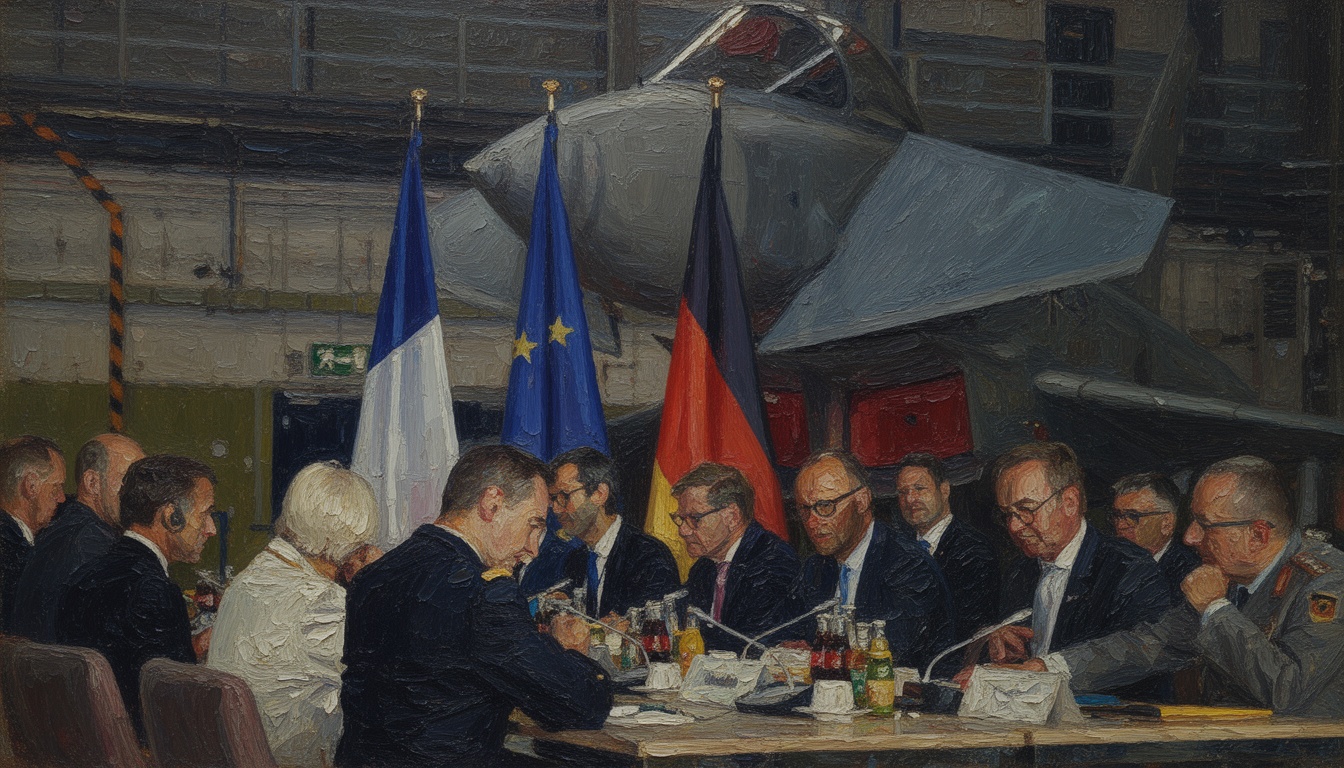
Germany Joins French Nuclear Exercise to Strengthen Defense Ties
Germany's participation in a French nuclear exercise highlights growing defense cooperation. Chancellor Friedrich Merz emphasizes ongoing collaboration on the FCAS fighter jet project.
Germany will participate in a French nuclear exercise later this year, as confirmed by Chancellor Friedrich Merz on Friday. The announcement followed significant defense talks with French President Emmanuel Macron at an air base near Cologne. This exercise marks a step towards enhanced military collaboration between Germany and France, signaling a deeper commitment to joint defense initiatives.
The discussions also touched upon further developing the cloud solution from the Future Combat Air System (FCAS) project. Earlier in the year, the FCAS project faced significant challenges that led to its collapse, creating uncertainties in European defense cooperation. However, Merz reassured that both nations are dedicated to reviving this key military project, underscoring the importance of integrated defense solutions in Europe.
Strategically, Germany and France's collaboration is crucial amid evolving security threats within Europe. The participation in the nuclear exercise not only strengthens bilateral ties but also serves as a message of deterrence to potential adversaries. This renewed focus on defense cooperation signifies an important shift toward a unified European defense strategy, with implications for NATO and EU military frameworks.
From a technical standpoint, the planned nuclear exercise will involve various components from the French military, including advanced capabilities that Germany is likely to integrate with its own forces. Additionally, the revival of the FCAS project, aimed at developing a next-generation fighter jet, reflects the growing ambition among European powers to maintain technological superiority in military aviation.
Looking ahead, Germany's involvement in these defense initiatives may culminate in a more cohesive European military policy. As both nations work to overcome past setbacks, there is a potential for establishing a robust framework for collaboration on future projects, enhancing overall defense capabilities and responsiveness in times of crisis.