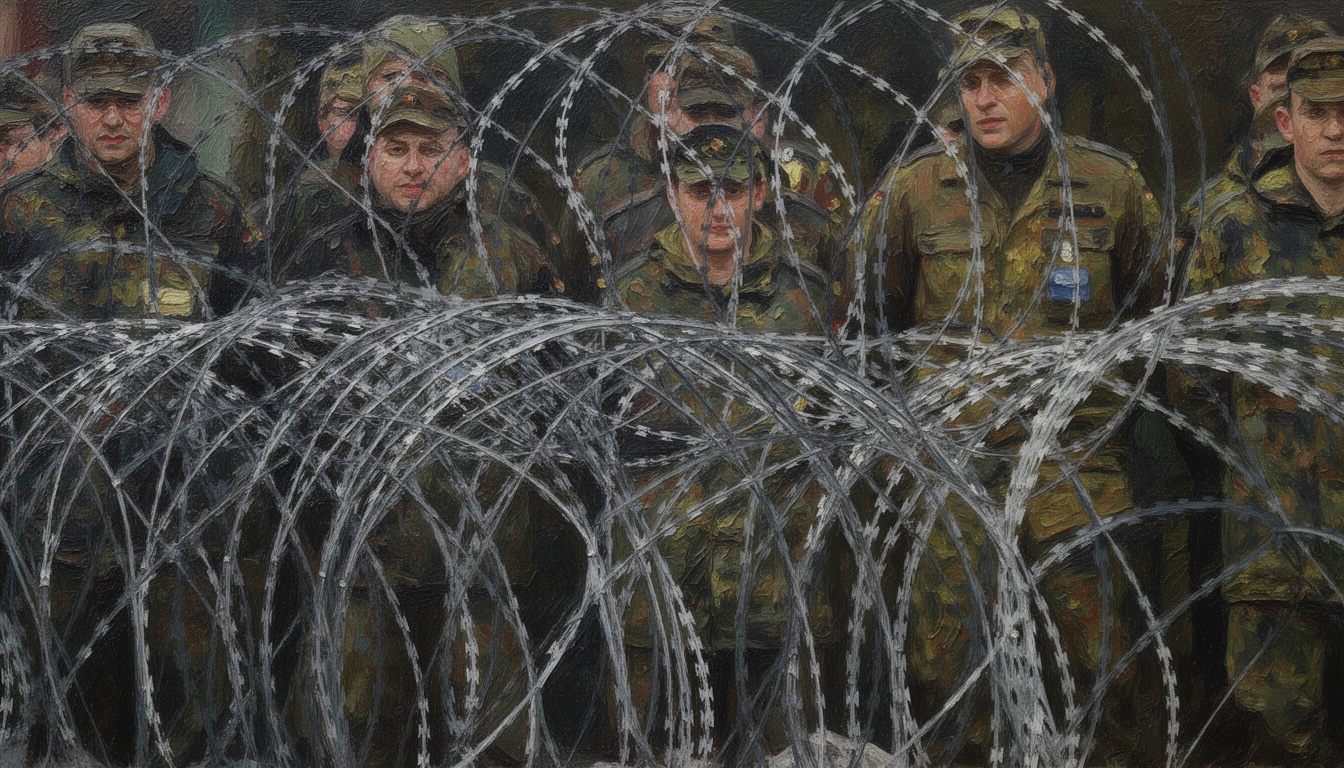
Germany, Netherlands Establish NATO Command Centre in Baltics
Germany and the Netherlands are bolstering NATO's eastern defenses with a new joint command center. This move is aimed at enhancing deterrence against Russian aggression in the region.
Germany and the Netherlands announced plans to establish a joint tactical headquarters in the Baltics by the end of this year. This command center, designated as 1GNC, will oversee NATO forces on the alliance's eastern flank, focusing on Estonia and Latvia. The intention is to enhance operational capabilities in response to rising tensions with Russia.
The establishment of the 1GNC command is a significant strategic step for NATO's deterrence posture against potential Russian incursions. As part of an ongoing effort to strengthen the alliance's presence in Eastern Europe, this move underscores Germany and the Netherlands' commitment to collective defense. The operational scope of the command center will include coordination of troop deployments and logistics in the Baltic states.
Operationally, the 1GNC command center will integrate forces from both Germany and the Netherlands, optimizing their ability to respond to any aggression in the region. The specific location of the command is yet to be disclosed, but its operational readiness is anticipated within the coming months, aligning with NATO's strategy to enhance military readiness along its eastern borders.
By establishing this headquarters, NATO aims to promote unity among member states, ensuring rapid response capabilities in the event of a conflict. This proactive measure reflects a commitment to maintaining peace and stability in Europe, particularly in light of Russia's actions in Ukraine and other neighboring regions.
Looking ahead, the command center is expected to play a crucial role in future NATO exercises and operations, reinforcing the alliance's defense posture. The collaboration between Germany and the Netherlands marks a significant commitment to regional security and contributes to a broader strategy of deterrence in Eastern Europe.