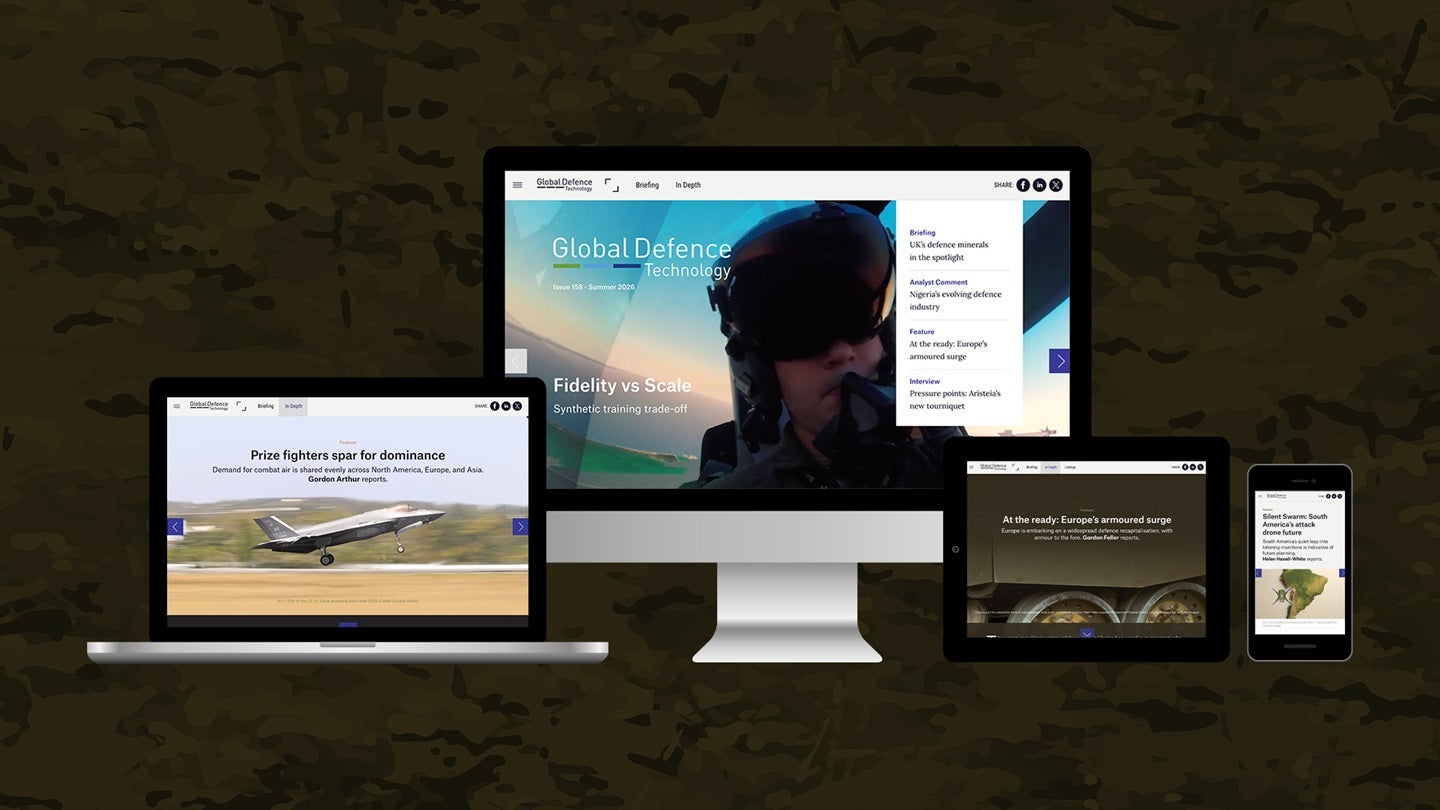
Global Defence Technology Examines European Armour and Fighters
A comprehensive analysis of European armored vehicles, global fighter aircraft, and loitering munitions highlights key trends in defense technology.
The latest issue of Global Defence Technology addresses critical advancements in various sectors of military technology, focusing on European armor capabilities and the evolution of fighter aircraft around the world. Key features include an exploration of loitering munitions, a growing area of interest given their implications for modern warfare. Furthermore, the publication delves into synthetic training methods, offering insights in Part 2 of this exploration.
European armored vehicles have been making headlines due to increased investments and technological innovations aimed at enhancing protection and firepower. Countries such as Germany and France are advancing their tank programs, incorporating advanced composites and modular systems, designed to provide superior battlefield adaptability. The emphasis on enhancing survivability against threats like anti-tank guided missiles is reshaping the landscape of ground warfare.
Global advancements in fighter aircraft are underscored, with nations progressively integrating stealth technology and enhanced avionics into their fleets. The proliferation of fifth-generation fighters, such as the F-35 Lightning II and the Su-57 Felon, signifies a strategic shift in aerial combat capabilities. These aircraft are equipped with advanced sensors and weapons systems, allowing for network-centric warfare and greater operational effectiveness.
Loitering munitions are emerging as a decisive element in contemporary combat scenarios. These sophisticated systems are capable of capturing and destroying targets at will, substantially altering the dynamics of engagement. By extending the reach of precision strikes, loitering munitions are redefining the concept of firepower in military operations.
Finally, the exploration of synthetic training methods reveals the defense sector's commitment to enhancing soldier readiness through advanced simulation technologies. These techniques provide realistic training environments, ensuring that troops are better prepared for real-world engagements. The ongoing evolution in training methodologies reflects the urgency for military forces to adapt to complex operational scenarios in the 21st century.