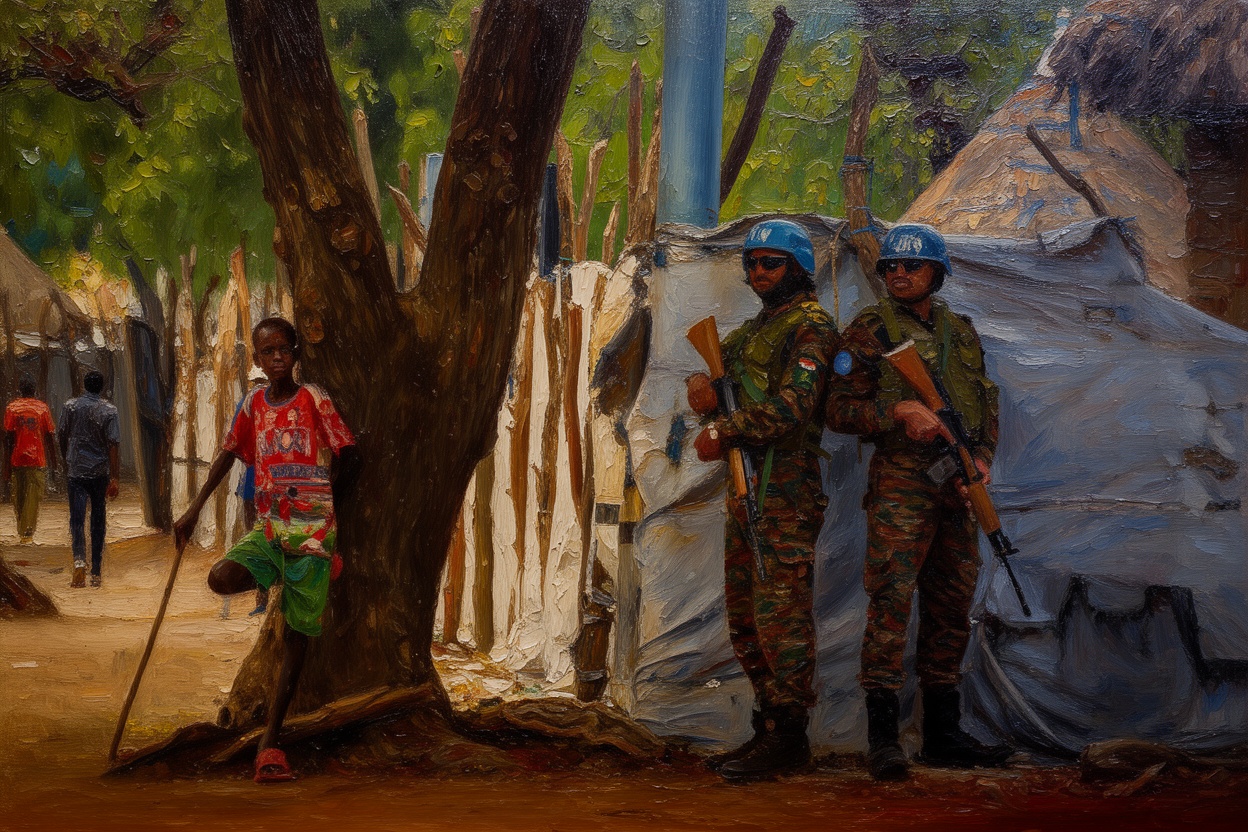
Global Peacekeeping Engagements Hit Historic Lows
The decline in peacekeeping forces indicates a potential vacuum in international security. Without proper engagement, regional conflicts may escalate unchecked.
The number of military personnel participating in global peacekeeping missions has dropped to the lowest levels in 25 years, according to new data from the Stockholm International Peace Research Institute (SIPRI). This significant decline reflects various geopolitical tensions and funding shortages that have plagued international peace efforts.
In recent years, the global landscape has seen increased conflict and instability, exacerbated by rising geopolitical rivalries. This trend has strained the resources available for peacekeeping missions, making it difficult for nations to commit personnel and funding to these essential operations.
The decrease in military engagement in peacekeeping could lead to a destabilized global environment. Regions affected by ongoing conflicts may see heightened violence and increased difficulty in achieving lasting peace, leading to humanitarian crises that could spill over borders and affect wider international stability.
Countries like the United Nations have historically relied on troops from member states to support peace operations in conflict zones. The current data shows an alarming trend as nations grapple with domestic priorities and a reluctance to deploy forces overseas, resulting in a severe reduction in available personnel.
The long-term consequences of this decline may undermine decades of efforts towards maintaining global peace and security. If nations fail to recommit to peacekeeping roles, the international community could witness a resurgence of conflict, with implications for geopolitical stability worldwide.