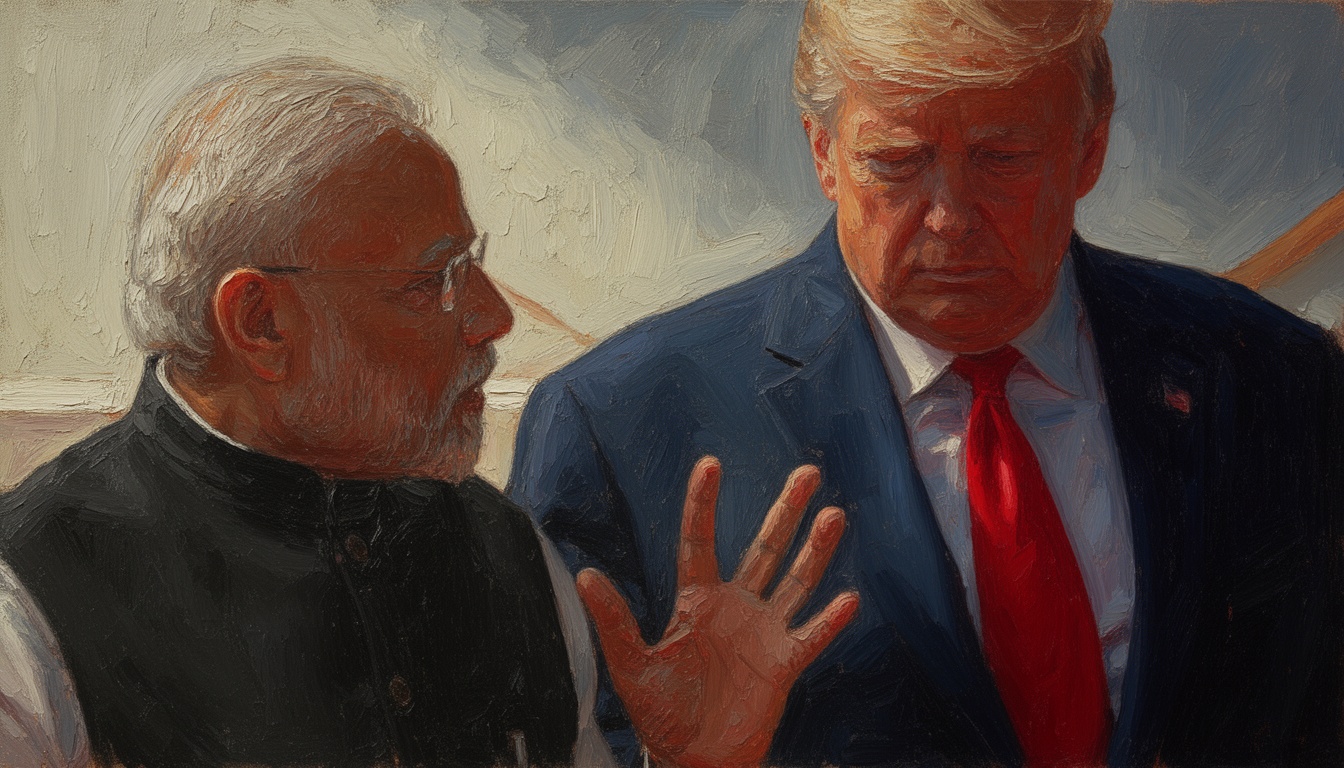
Global Relations: The Shift from Ideology to Pragmatism
The dynamics of international politics are increasingly influenced by overlapping interests rather than ideological commitments. This shift has significant implications for global security and diplomatic strategies.
The balance of power in international relations is undergoing a transformation as pragmatism increasingly replaces ideology. In recent years, many nations have prioritized strategic interests, leading to both cooperation and conflict based on immediate benefits rather than long-standing ideological positions. This trend is evident in various global hotspots, where traditional alliances are being tested by pragmatic realities.
Historically, international relations were heavily influenced by ideological factors such as communism, capitalism, and nationalism. However, the changing geopolitical landscape has shifted this focus towards more pragmatic approaches. Countries are willing to overlook past grievances and ideological differences in pursuit of mutual benefits, evidenced by recent diplomatic engagements that prioritize trade and security over ideology.
The strategic significance of this development cannot be understated. As states prioritize economic partnerships and security alliances based on pragmatic calculations, the traditional ideological divides that once defined international alignments appear weakened. This realignment has implications for global governance and the stability of various regions, as nations may find it more expedient to collaborate regardless of their ideological backgrounds.
Operationally, this can lead to new partnerships and coalitions that may not have been possible under a strictly ideological framework. For instance, nations that were once adversaries are now negotiating trade agreements and military cooperation, showing a willingness to adapt to the current geopolitical environment.
Moving forward, the implications of this pragmatic shift are profound. While some express concern that a lack of ideological commitment may lead to instability, others argue that such flexibility can foster stronger international relations. Ultimately, the future of global diplomacy may hinge on this pragmatism, reshaping alliances and redefining how states interact on the world stage.