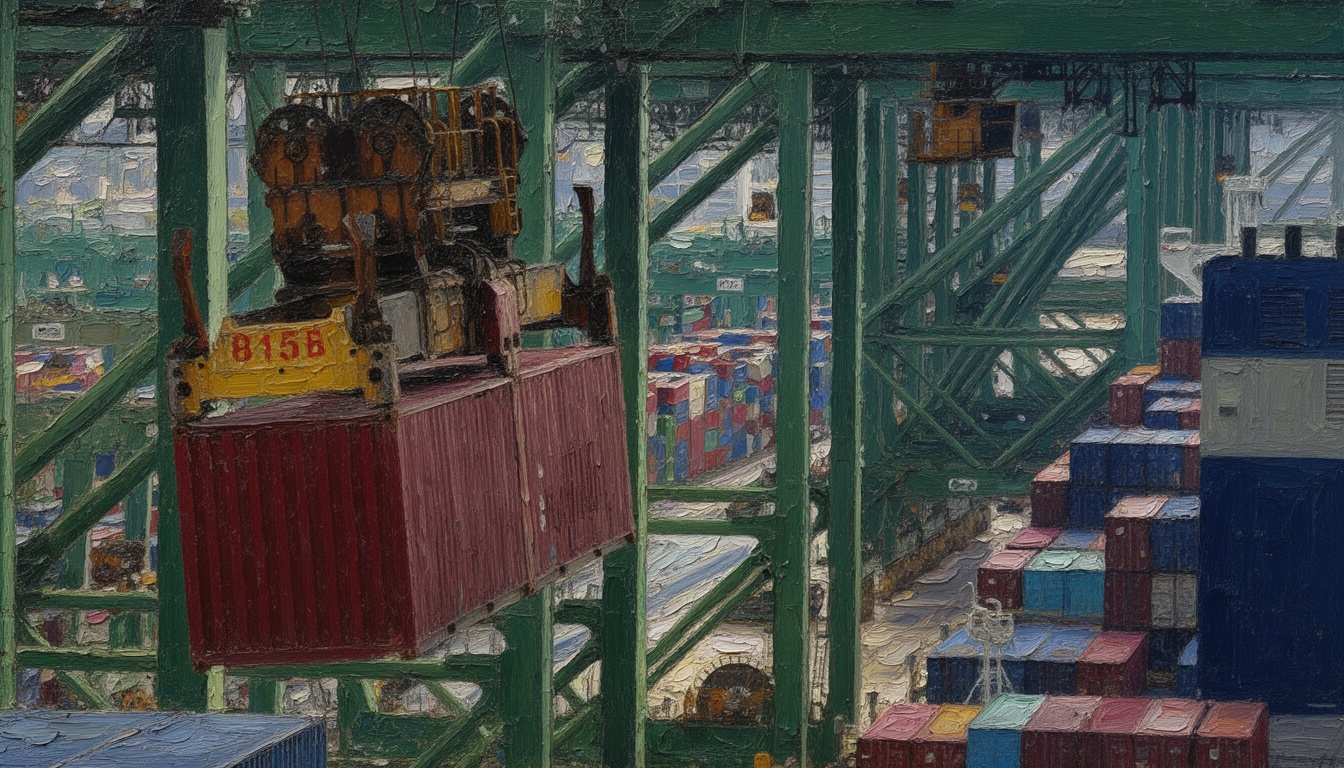
Global Supply Chain Disruption Escalates in Asia After Hormuz Crisis
The interlinked crises of COVID-19, the Ukraine war, and the US-Israel conflict with Iran are reshaping Asia's supply chains. Economists warn that the traditional 'just in time' model may no longer suffice.
The traditional 'just in time' supply chain model faces unprecedented challenges as multiple crises reshape trade dynamics in Asia. COVID-19 initially disrupted factories and logistics networks, followed by Russia's invasion of Ukraine, which severely restricted grain exports from the Black Sea and caused a spike in energy prices. Now, the ongoing US-Israel conflict with Iran is further complicating the landscape, leading some analysts to declare that the conventional model may be obsolete.
Historically, the 'just in time' supply chain has allowed companies to minimize inventory costs and increase efficiency by relying on timely deliveries. However, the cumulative impacts of the pandemic, geopolitical tensions, and rising production expenses have forced businesses to reconsider this strategy. The ramifications could extend beyond Asia, altering global trade practices and economic relationships.
The strategic significance of these disruptions cannot be overstated, as nations increasingly face vulnerabilities in their supply chains. The potential breakdown of this model may lead countries to pursue greater self-sufficiency, reshaping alliances and economic policies. Businesses may seek to diversify their supplier networks and stockpile essential goods to mitigate risks associated with future crises.
Technical adaptations are already underway as industries pivot towards resilience over speed. Enterprises are investing in technology and infrastructure to support more robust logistics frameworks, altering everything from shipping practices to inventory management. More companies may begin adopting hybrid models that blend 'just in time' with 'just in case' strategies, aiming to balance efficiency with reliability.
Looking forward, the likely consequences of these shifts are significant. Global economic relationships could realign as nations adopt more protective economic measures. If the supply chain vulnerabilities are not addressed, the 'just in time' era may effectively end, leading to potential market volatility and increased costs for consumers worldwide.