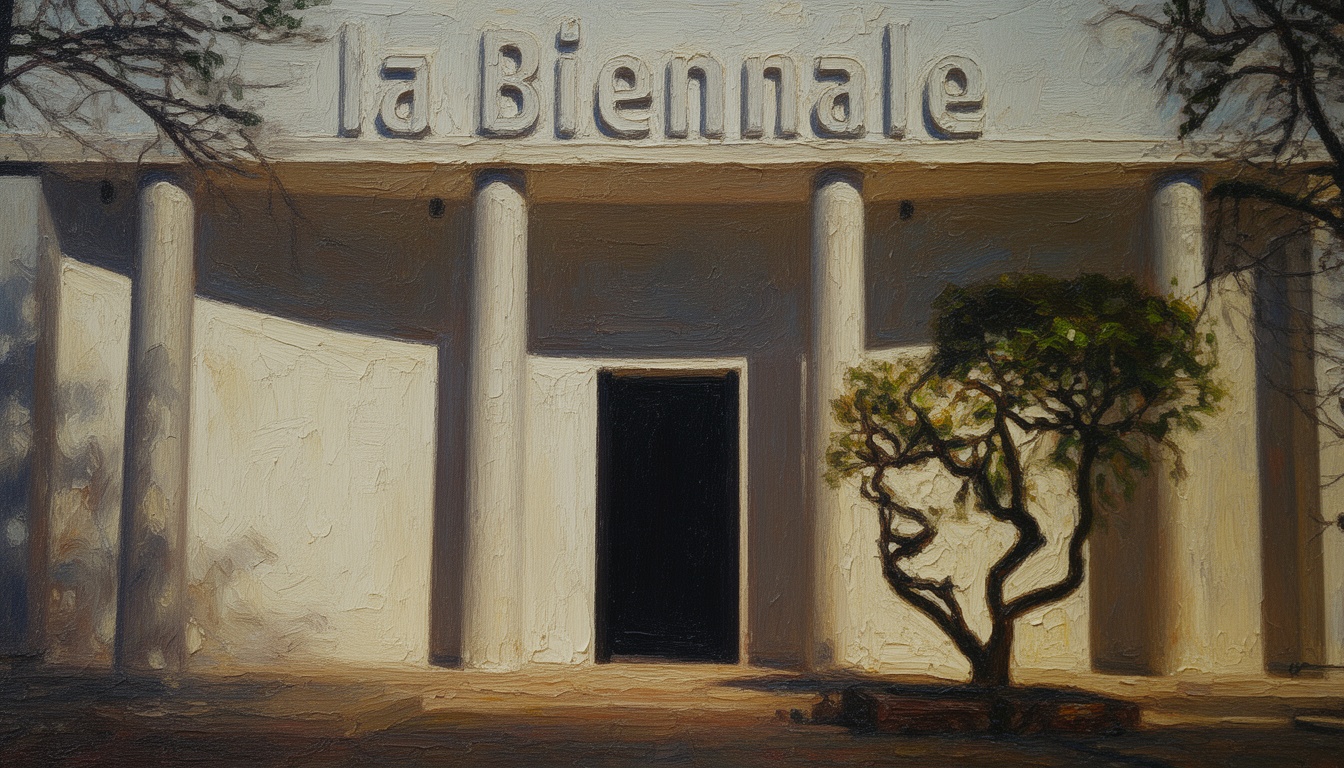
Global Tensions Rise as Russia Returns to Venice Biennale
The resignation of the Venice Biennale jury underscores rising international tensions. Russia’s return to the exhibition marks a significant moment following its invasion of Ukraine.
The Venice Biennale jury has resigned just days before the opening of the exhibition, an action reflecting the growing tensions surrounding Russia's participation. This marks Russia's first appearance at the prestigious art event since its full-scale invasion of Ukraine. Many in the international art community have voiced their concerns over Russia’s involvement, creating a fracture among stakeholders in the art world.
The Venice Biennale has historically served as a platform for cultural diplomacy and artistic exchange, but the inclusion of Russian representatives has sparked controversy. Critics argue that showcasing Russian art risks normalizing the country's actions in Ukraine, a sentiment echoed by various artists and curators. This has led to calls for boycotts and protests against Russia’s participation, intensifying the debate about the intersection of art and politics.
The significance of this event extends beyond the art realm; it represents a broader response to Russia's actions on the global stage. Leading geopolitical analysts have suggested that cultural events like the Biennale offer opportunities for nations to assert their stance in international conflicts, using art as a means of soft power. As the world grapples with the implications of Russia's invasion, the Biennale has become a focal point for these discussions.
In terms of logistics, the Venice Biennale, slated to open on April 20, 2023, features numerous artists and exhibits from around the globe. The resignation of the jury, comprising influential figures in the art world, raises questions about the future direction of the event and the challenges posed by geopolitical tensions.
Looking forward, the fallout from this controversy is likely to influence future exhibitions and the preparation of international events. The art community may continue to grapple with how to navigate the complexities of political conflicts while striving to uphold artistic integrity and freedom of expression.